Venous Insufficiency Symptoms: When Leg Swelling, Aching, or Heaviness May Be a Vein Problem
Medically reviewed by: Scott Ziporin, MD, RPVI | September 2026
# H1: Key Points
- Venous insufficiency occurs when vein valves weaken, preventing blood from flowing efficiently back to your heart
- Common symptoms include leg swelling, aching, heaviness, and skin changes that often worsen throughout the day
- Symptoms typically improve with elevation and compression but don't resolve without treatment
- Early recognition of venous insufficiency symptoms can prevent serious complications
- Ascent Vascular specializes in diagnosing and treating venous insufficiency with effective, minimally invasive solutions
# H1: That Heavy, Aching Feeling in Your Legs: What's Going On?
By afternoon, your legs feel heavier than they did this morning. Your ankles look a bit puffier than usual. There's an aching sensation, especially after you've been standing all day. You might notice your legs feel better when you elevate them or put on compression socks, but the moment you're back on your feet, the discomfort returns.
If this sounds familiar, you might be experiencing symptoms of venous insufficiency. But you're probably wondering: what exactly is venous insufficiency? Is it serious? Do I need to see a doctor about it?
At Ascent Vascular, we evaluate patients with these exact symptoms every week. Understanding what's causing them is the first step toward feeling better and preventing complications down the road.
# H1: Understanding Venous Insufficiency
Before we talk about symptoms, let's understand what's actually happening in your veins.
## H2: How Healthy Veins Work
Your veins have an important job: returning blood from your legs back up to your heart. Because this blood has to flow against gravity, your veins have one-way valves that keep blood moving in the right direction. Your leg muscles also help by contracting and pushing blood upward when you walk and move.
## H2: What Goes Wrong with Venous Insufficiency
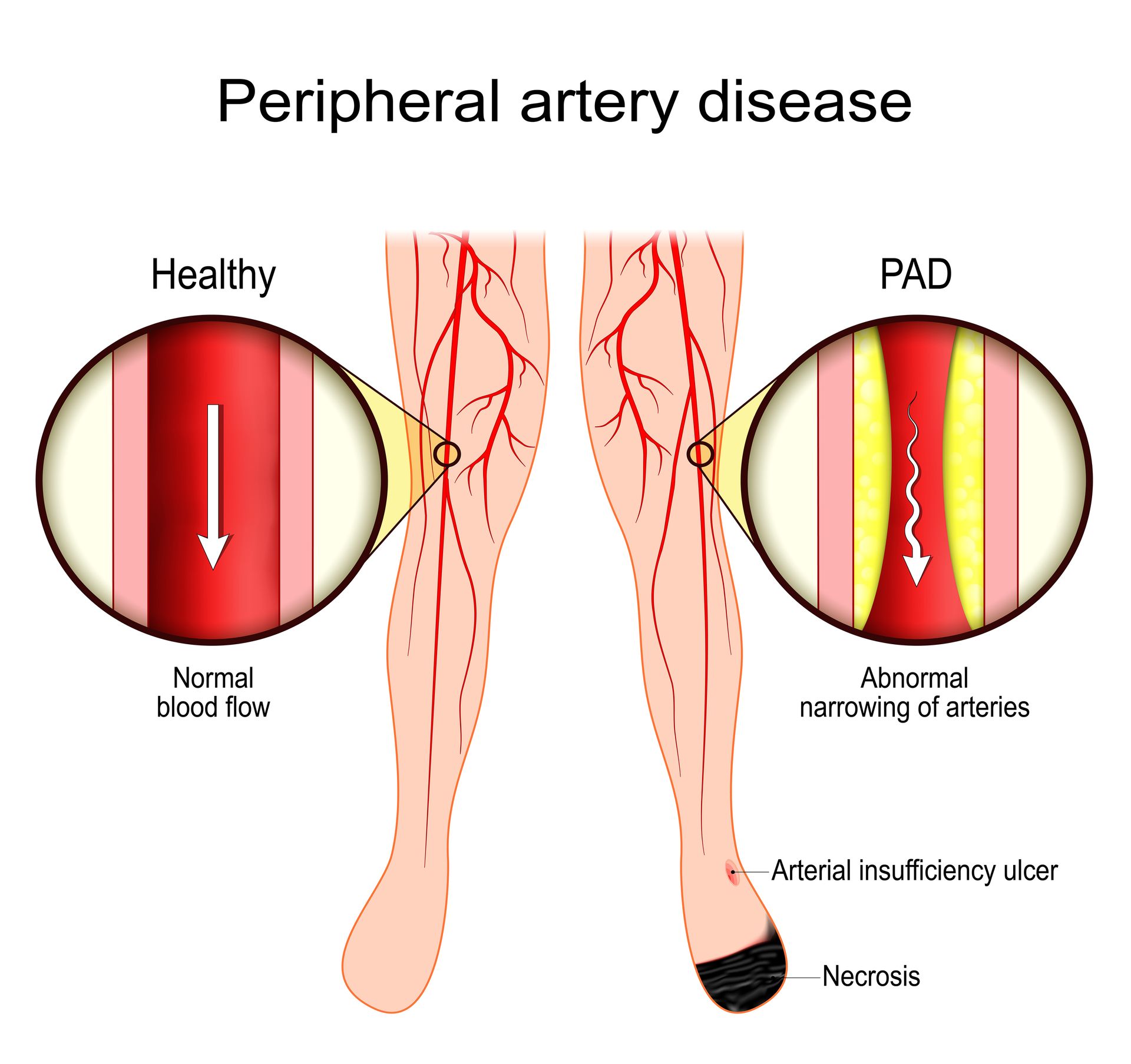
Venous insufficiency (also called chronic venous insufficiency or CVI) develops when the valves inside your veins weaken or fail. Instead of keeping blood moving upward toward your heart, the damaged valves allow blood to flow backward and pool in your legs.
This pooling of blood causes pressure to build in your leg veins, especially in your calves and ankles. That increased pressure is what creates the symptoms you feel.
Think of it like a traffic jam in your legs. Instead of traffic (blood) flowing smoothly in one direction, it's backing up and creating congestion. That congestion causes discomfort and swelling.
# H1: Common Venous Insufficiency Symptoms
Venous insufficiency symptoms typically develop gradually and often worsen as the day goes on. Here's what to watch for:
## H2: Leg Swelling (Edema)
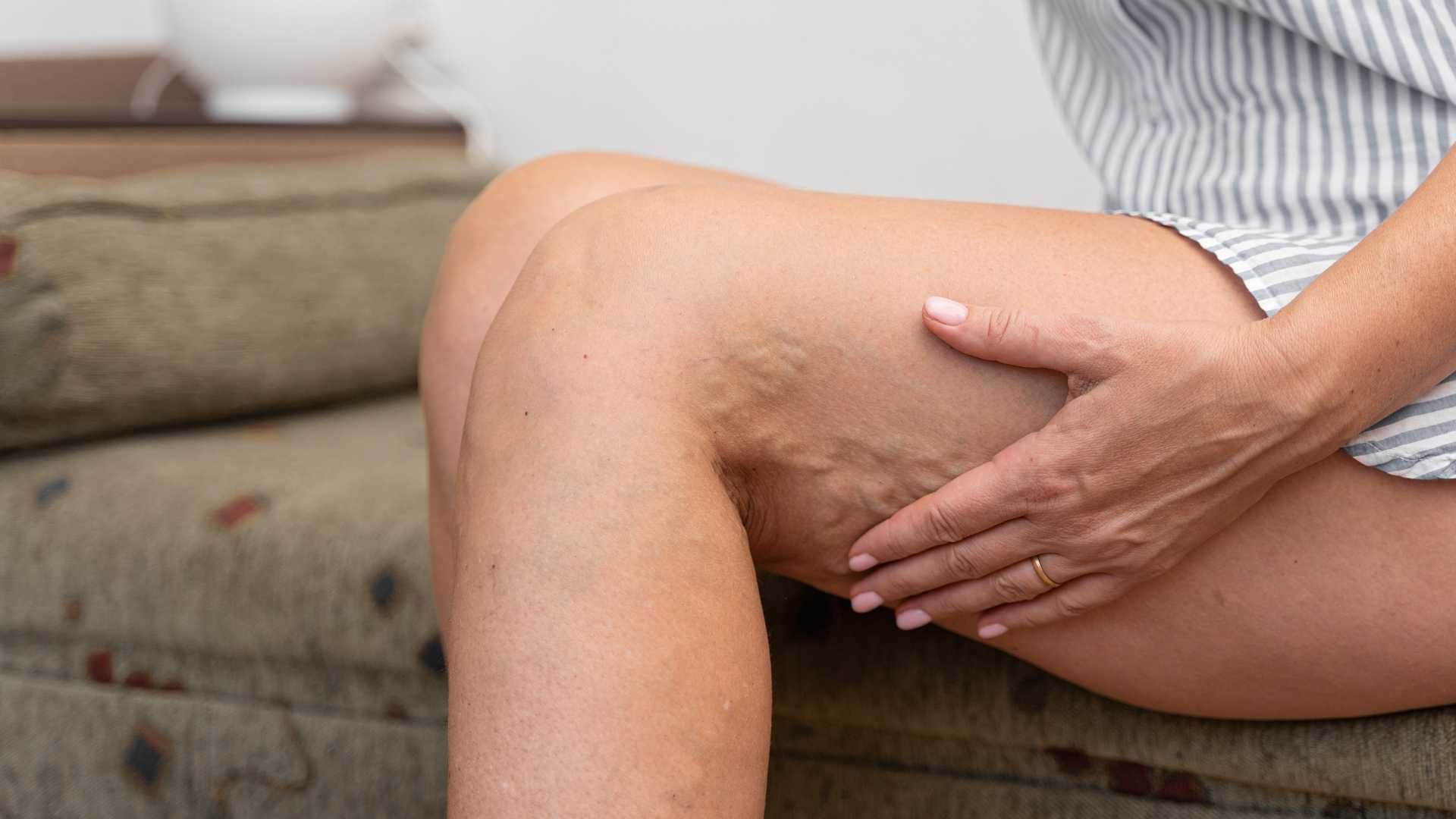
One of the most common signs of venous insufficiency is swelling in your legs, ankles, and feet. This swelling usually develops or worsens after standing for extended periods and often improves when you elevate your legs or lie down.
You might notice that your socks leave deep indentations in your skin, or your shoes feel tighter by evening than they did in the morning.
## H2: Aching or Pain
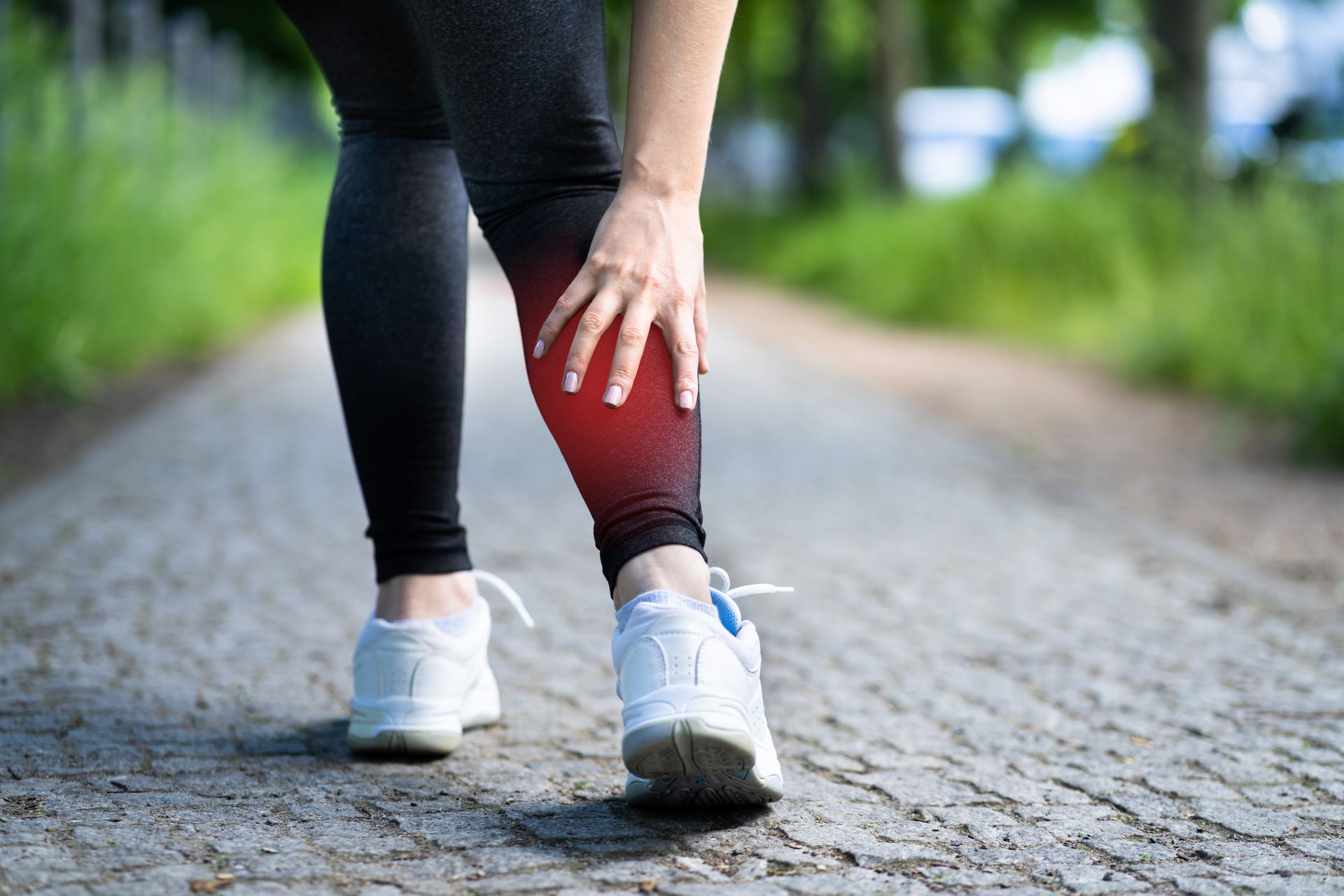
Many people with venous insufficiency describe an aching sensation in their legs, particularly in the calves. The aching often feels like a dull, persistent discomfort that worsens with standing and improves with rest and elevation.
## H2: Heaviness or Fatigue
Your legs might feel unusually heavy or tired, as if they're weighted down. This heaviness often worsens as the day progresses and can make walking or standing for extended periods uncomfortable.
## H2: Cramping
Leg cramps, especially at night, can be associated with venous insufficiency. The cramping might be mild or quite painful, and it can interfere with sleep.
## H2: Itching or Burning
Some people experience itching or a burning sensation in their legs, particularly around areas with visible veins or skin changes.
## H2: Skin Changes
As venous insufficiency progresses, you might notice changes to your skin:
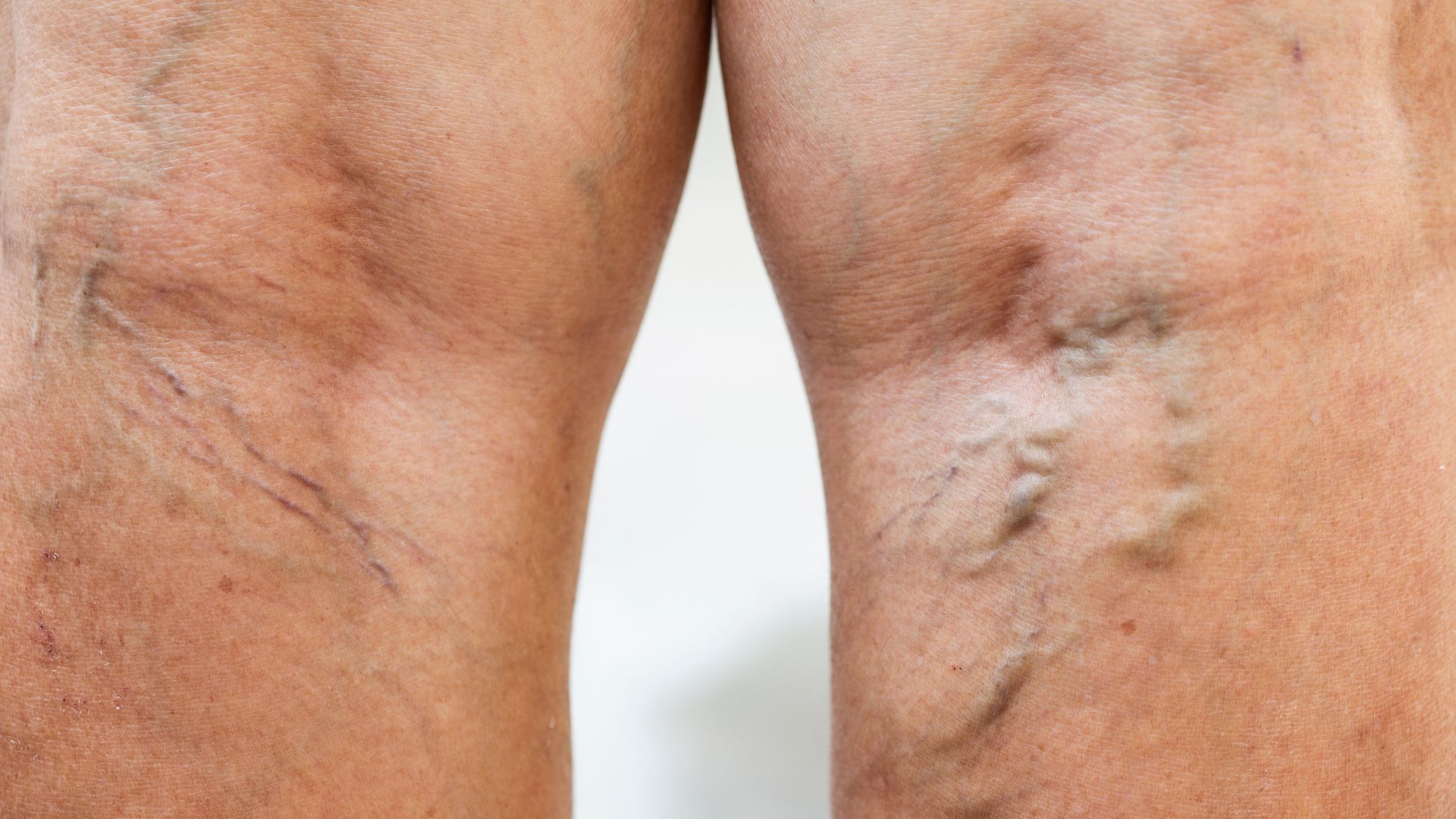
Color changes. The skin on your lower legs might become darker, taking on a reddish or brownish appearance. This discoloration often appears around the ankles first.
Texture changes. Your skin might become thicker, harder, or develop a leathery texture. This is called lipodermatosclerosis when it becomes severe.
Rashes or dermatitis. Red, itchy, inflamed skin can develop, particularly if venous insufficiency is severe.
## H2: Visible Varicose Veins
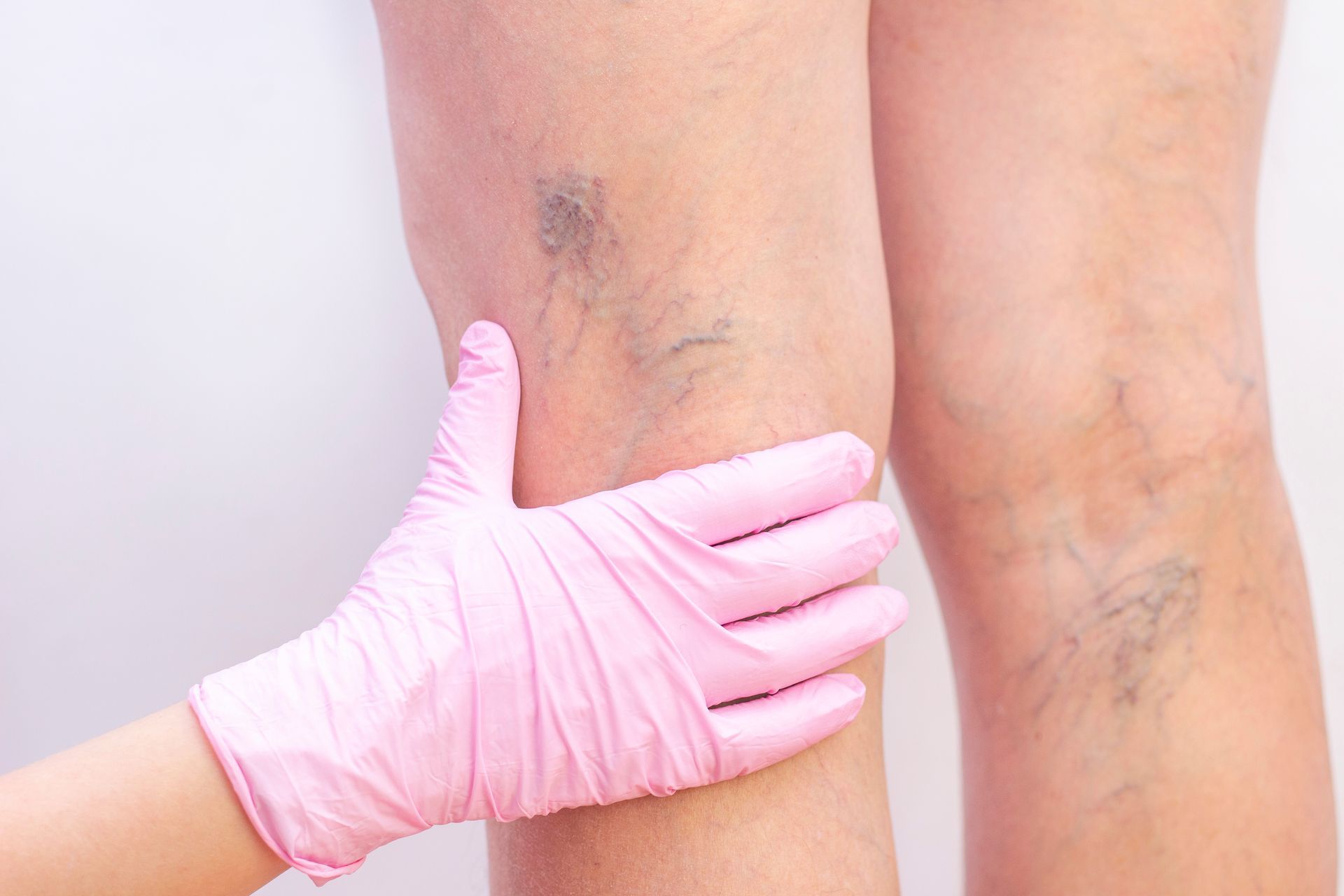
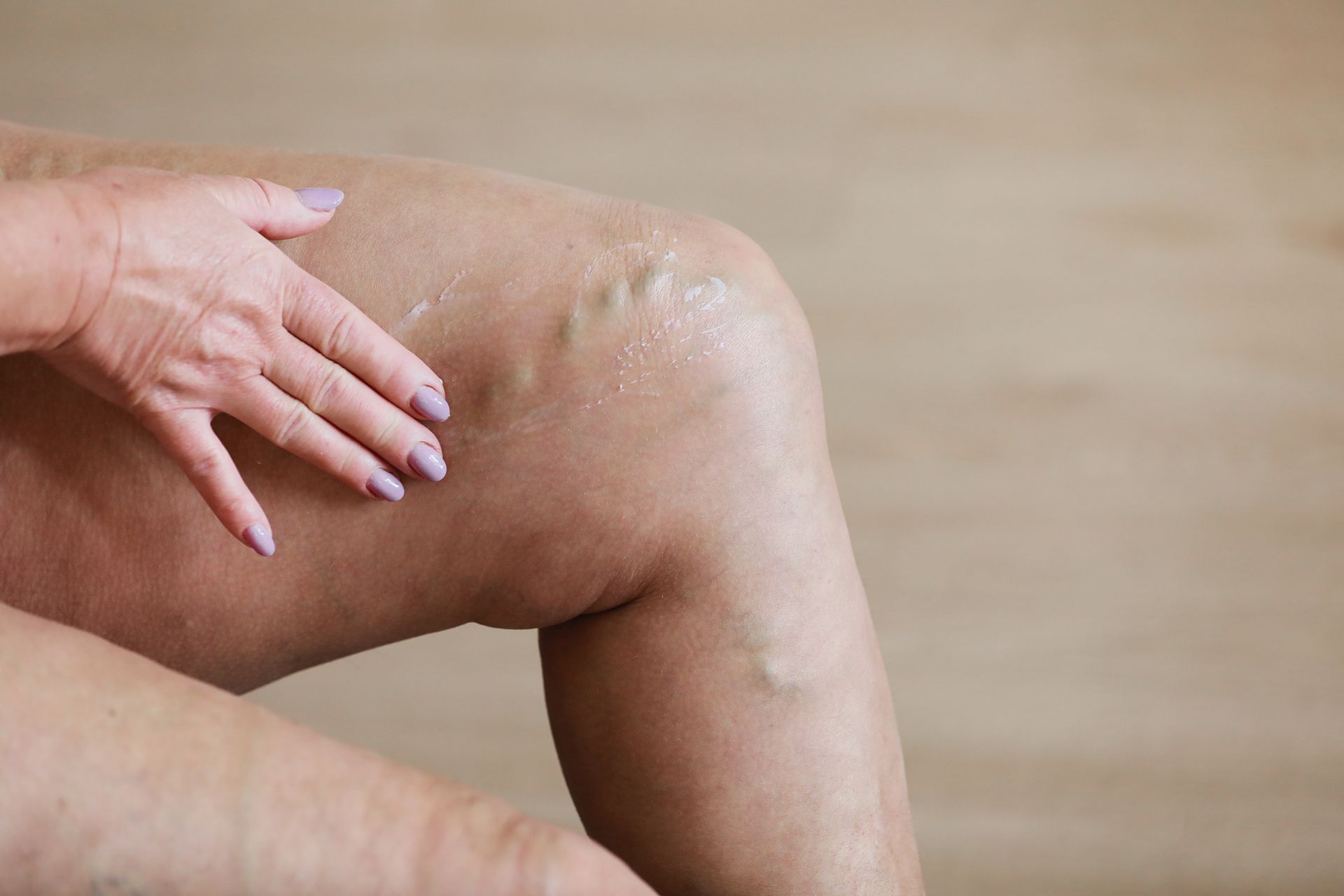
You might notice enlarged, twisted veins visible on your skin. Varicose veins are a sign of venous insufficiency and often occur alongside the symptoms above.
## H2: Slow-Healing Wounds
In advanced venous insufficiency, wounds on your legs or feet might heal very slowly or not at all. These venous stasis ulcers are serious and require medical attention.
# H1: When Symptoms Get Worse: Red Flags
Most venous insufficiency symptoms are uncomfortable but not emergencies. However, certain signs warrant prompt medical evaluation:
Sudden increase in swelling. If your legs suddenly swell much more than usual, this needs evaluation.
Pain that's severe or sudden. Severe leg pain could indicate a blood clot or other serious complication.
Open sores or wounds. Any wounds on your legs need professional assessment.
Signs of infection. Warmth, redness, pus, or increasing pain around a sore suggests infection.
Skin becoming dark red or purple. Significant color changes can indicate worsening circulation.
If you experience any of these, contact Ascent Vascular or seek medical evaluation promptly.
# H1: Why Symptoms Worsen Throughout the Day
A key characteristic of venous insufficiency is that symptoms typically worsen as the day progresses. Here's why:
When you're standing or sitting for extended periods without moving, blood pools in your leg veins. The pressure builds, and swelling and discomfort increase. By evening, you might feel significantly worse than you did in the morning.
When you lie down and elevate your legs, gravity helps blood flow back to your heart more easily. The pressure in your leg veins decreases, and symptoms improve. This is why people with venous insufficiency often feel better first thing in the morning or after a rest period with legs elevated.
# H1: Risk Factors for Venous Insufficiency
Certain factors increase your risk of developing venous insufficiency:
Age. Risk increases as you get older. Veins naturally weaken over time.
Family history. If parents or relatives have venous insufficiency, your risk is higher.
Prolonged standing or sitting. Jobs or lifestyles requiring long periods on your feet or immobile increase risk.
Pregnancy. Hormonal changes and increased blood volume during pregnancy can trigger venous problems.
Obesity. Extra weight increases pressure in your veins.
Previous blood clots. DVT (deep vein thrombosis) can damage vein valves, leading to venous insufficiency.
Leg injury or surgery. Trauma to veins can cause valve damage.
Lack of physical activity. Sedentary lifestyle weakens the leg muscles that help pump blood.
# H1: Why You Shouldn't Ignore These Symptoms
While venous insufficiency symptoms might seem like minor annoyances, they warrant attention because:
Symptoms worsen over time. Without treatment, venous insufficiency typically progresses. Symptoms that start as mild swelling and aching can become severe, limiting your activities.
Complications can develop. Advanced venous insufficiency can lead to chronic venous insufficiency, venous stasis ulcers, skin darkening and thickening, and increased blood clot risk.
Treatment is easier early. Addressing venous insufficiency when symptoms are mild is simpler than treating advanced disease with complications.
Your quality of life matters. You don't have to accept leg pain and swelling as normal. Effective treatments can significantly improve how you feel and function.
# H1: How Venous Insufficiency Is Diagnosed
If you're experiencing symptoms, your doctor can assess you through:
## H2: Physical Examination
Your vascular specialist will examine your legs, looking for swelling, skin changes, and visible veins. They'll check pulses and compare both legs.
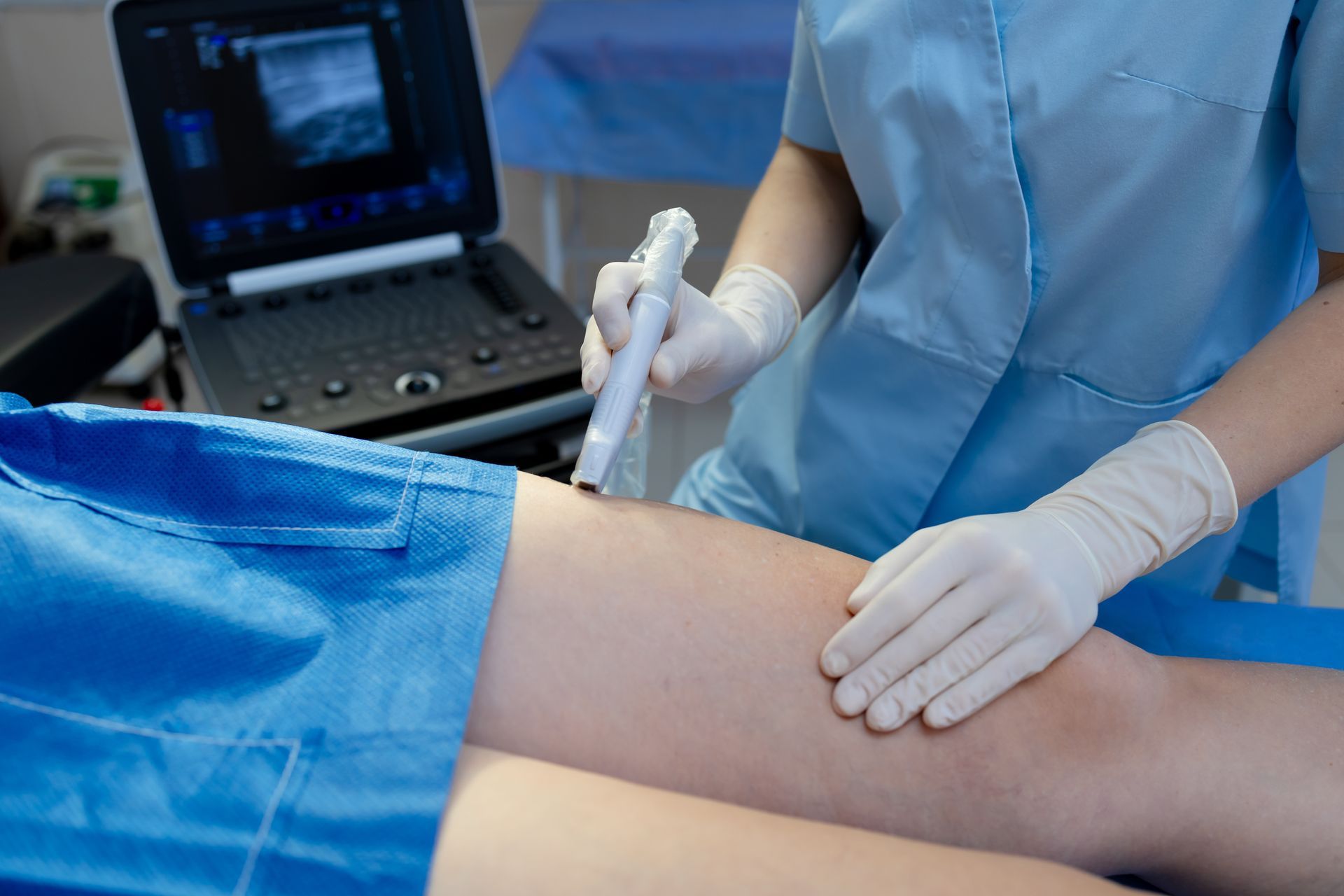
## H2: Vascular Ultrasound
This painless test uses sound waves to visualize your veins and measure blood flow. It shows exactly which veins aren't functioning properly and how severe the problem is.
You can learn what to expect during a vascular ultrasound on our blog.
## H2: Medical History Review
Your doctor will ask about your symptoms, when they started, what makes them better or worse, and whether you have risk factors for venous disease.
At Ascent Vascular, we use advanced ultrasound technology to diagnose venous insufficiency accurately and determine the best treatment approach for your situation.
# H1: Treatment Options for Venous Insufficiency
The good news is that venous insufficiency responds well to treatment. Options range from conservative to minimally invasive:
## H2: Conservative Measures
Compression stockings. These help support blood flow and reduce swelling. Wearing them daily can significantly improve symptoms.
Leg elevation. Elevating legs above heart level for 15-20 minutes several times daily helps reduce swelling.
Regular movement. Walking and other exercise strengthen leg muscles and improve circulation.
Weight management. Losing excess weight reduces pressure in your veins.
Avoiding prolonged standing or sitting. Taking regular movement breaks helps prevent symptom flare-ups.
## H2: Minimally Invasive Procedures
When conservative measures aren't enough, several effective treatments can close or remove damaged veins:
Sclerotherapy. Medication is injected into damaged veins, causing them to collapse and fade.
Radiofrequency ablation (ClosureFast). Heat energy closes damaged veins from the inside.
VenaSeal. Medical adhesive seals veins shut.
Verithena Microfoam. Foam injection causes veins to collapse.
Microphlebectomy. Surface veins are removed through tiny incisions.
You can explore all available vein treatment options on our treatments page.
Most procedures are done in-office with minimal downtime. Many people see improvement in symptoms within weeks.
# H1: FAQs About Venous Insufficiency Symptoms
Can venous insufficiency go away on its own?
No. Venous insufficiency doesn't resolve without treatment. However, symptoms can sometimes stabilize if you manage risk factors well. Treatment is needed to actually fix the problem.
Is venous insufficiency dangerous?
Most venous insufficiency isn't immediately dangerous, but it can lead to serious complications if untreated for many years, including ulcers, skin infections, and increased blood clot risk. Early treatment prevents these outcomes.
How is venous insufficiency different from varicose veins?
Varicose veins are enlarged veins you can see. Venous insufficiency is the underlying problem causing veins to malfunction. Many people with varicose veins have venous insufficiency, but you can have venous insufficiency with or without prominent varicose veins.
Will compression stockings cure venous insufficiency?
Compression stockings help manage symptoms but don't cure venous insufficiency. They're an important part of treatment but usually need to be combined with other measures or procedures for actual resolution.
Can I exercise with venous insufficiency?
Yes, and you should. Regular, moderate exercise like walking is actually therapeutic for venous insufficiency. Avoid intense exercise on very swollen legs, but gentle movement is beneficial.
What happens if I ignore venous insufficiency symptoms?
Symptoms typically worsen over time. Mild swelling and aching can progress to severe symptoms limiting your activities. Ulcers, skin infections, and blood clots become more likely with advanced disease.
Can venous insufficiency develop after one blood clot?
Yes. Deep vein thrombosis (blood clots) can damage vein valves, leading to post-thrombotic venous insufficiency. This is another reason prompt treatment of blood clots is important.
# H1: FAQs About Ascent Vascular Specialist and Vein Center
How do you determine if I have venous insufficiency?
We'll do a physical examination, review your symptoms and history, and perform vascular ultrasound to see exactly what's happening in your veins. This gives us a complete picture of your venous health.
What's the first step if I think I have venous insufficiency?
Schedule an evaluation with our team. We'll assess your situation, explain what's causing your symptoms, and discuss treatment options. Call us at (970) 926-1003.
Can you treat venous insufficiency that's already causing skin changes or ulcers?
Yes. Even with advanced venous insufficiency, treatment can help wounds heal and prevent complications. The sooner we treat, the better the outcomes.
How long after treatment will my symptoms improve?
Most people notice improvement in swelling and discomfort within weeks to months after treatment. Full results develop over several months as treated veins reabsorb.
Do you accept insurance for venous insufficiency treatment?
Yes, we work with most major insurance plans. Venous insufficiency treatment is often covered when symptoms or complications are present. Call us to verify your coverage.
How often do I need follow-up appointments after treatment?
We'll create a follow-up schedule based on your specific situation. Regular monitoring helps ensure good long-term results.
# H1: Don't Accept Leg Discomfort as Normal
Leg swelling, aching, and heaviness aren't just normal parts of aging. They're signs that your veins need attention. With modern treatment options available, you don't have to live with these uncomfortable symptoms.
The best time to address venous insufficiency is when you first notice symptoms. Early evaluation and treatment prevent complications, improve your quality of life, and often require simpler interventions than treating advanced disease.
At Ascent Vascular Specialist and Vein Center in Edwards, Colorado, we specialize in diagnosing and treating venous insufficiency. Our experienced team will evaluate your symptoms, explain what's happening, and create a personalized treatment plan.
Contact us today to schedule your evaluation, or call our Edwards office at (970) 926-1003. Let's figure out what's causing your symptoms and get you feeling better.
Visit us at:
Ascent Vascular Specialist and Vein Center
1140 Edwards Village Blvd. B204
Edwards, CO 81632
You can also learn more about venous conditions we treat, explore vein treatment options, or read more vascular health information on our blog.
Don't let leg discomfort limit your life. Your healthier, more comfortable future starts with one phone call.
Disclaimer: The information provided on this blog is for general informational purposes only and is not intended as, and should not be considered, medical advice. All information, content, and material available on this blog are for general informational purposes only. Readers are advised to consult with a qualified healthcare professional for medical advice, diagnosis, or treatment. The author and the blog disclaim any liability for the decisions you make based on the information provided. Always seek the advice of your physician or other qualified health provider with any questions you may have regarding a medical condition.