Are Varicose Veins Dangerous? Signs It's Time to See a Vein Specialist
Key Points
- Most varicose veins are not immediately dangerous, but they can lead to serious complications if left untreated
- Varicose veins with symptoms or visible complications warrant evaluation and treatment
- Warning signs like skin changes, swelling that won't go down, or non-healing wounds need prompt attention
- Early treatment prevents complications and improves quality of life
- Ascent Vascular specializes in evaluating varicose vein complications and preventing serious outcomes
The Worry That Comes With Varicose Veins
You noticed the bulging veins in your legs weeks ago. At first, you weren't too concerned. But now you're wondering: are these dangerous? Could they cause a blood clot? Will they get worse? Do I need to see a doctor?
If you're experiencing these thoughts, you're not alone. Many people with varicose veins worry about whether they're serious and whether they need treatment. The uncertainty can be stressful, especially if you've heard concerning stories about vein complications.
Here's what you need to know: most varicose veins are not immediately dangerous. However, some can lead to serious complications if ignored, and certain warning signs definitely warrant medical evaluation. Understanding the difference helps you know when it's time to see a specialist and when you can monitor your veins without urgency.
At Ascent Vascular, we evaluate varicose vein complications regularly, and we can help you understand your specific situation and what it means for your health.
The Truth About Varicose Vein Risk
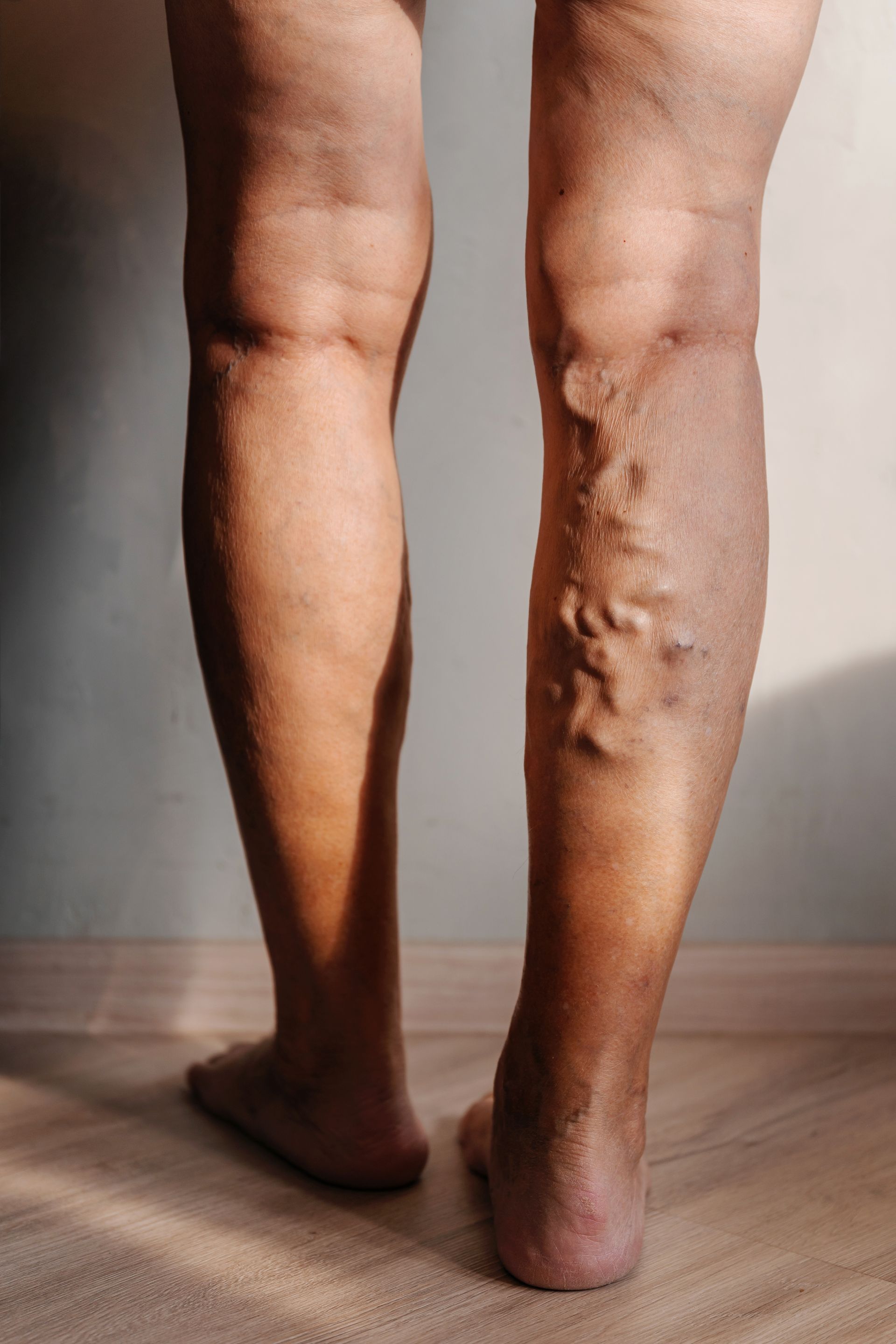
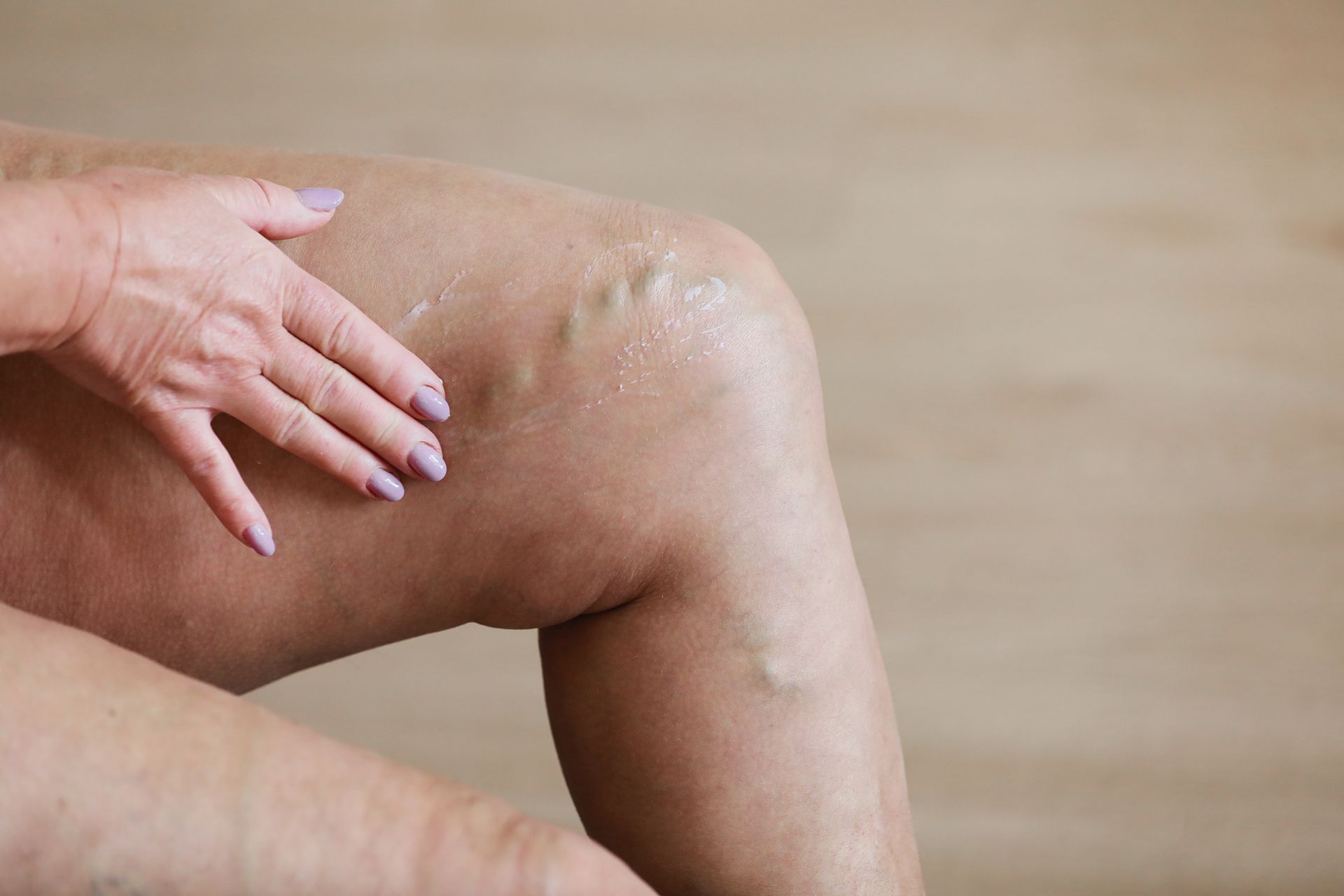
Here's the straightforward answer: varicose veins are a circulation problem, not an immediate emergency for most people. You're unlikely to have a life-threatening event from varicose veins. However, that doesn't mean they should be completely ignored.
Think of varicose veins like a slowly developing problem. The underlying issue (weak vein valves allowing blood to pool and veins to enlarge) doesn't typically cause sudden crisis. Instead, the problem can gradually worsen over years, potentially leading to complications that do require attention.
The Danger Scale
Low risk: Varicose veins that cause no symptoms and show no skin changes. These are purely cosmetic concerns.
Moderate risk: Varicose veins causing symptoms like pain, heaviness, or swelling. These need evaluation but aren't emergencies.
Higher risk: Varicose veins associated with visible skin changes, swelling that won't go down, or early signs of poor circulation. These warrant prompt evaluation.
Urgent/emergency risk: Varicose veins with signs of blood clots, severe skin breakdown, infection, or significant bleeding. These need immediate medical attention.
Most people fall into the low to moderate risk category, meaning varicose veins are manageable without panic, but professional evaluation is still worthwhile.
When Varicose Veins Are Just Cosmetic
If you have varicose veins but none of the symptoms or complications listed below, they're likely just a cosmetic concern. This means:
You have no leg pain or aching. Your legs feel fine functionally.
No swelling. Your ankles and legs aren't puffy, especially not by day's end.
No skin changes. The skin around your veins looks normal, with no discoloration, thickening, or texture changes.
No itching or burning. The area around your veins feels normal.
No heaviness or fatigue. Your legs don't feel weighted down or tired from the veins.
If this describes your situation, your varicose veins are primarily a cosmetic issue. You can choose to pursue treatment for appearance reasons, or you can leave them alone. Neither choice has health consequences. The decision is entirely yours.
That said, even purely cosmetic varicose veins are worth monitoring. If symptoms develop later, seeking evaluation is important.
Warning Signs: When Varicose Veins Need Attention
Certain symptoms and changes indicate your varicose veins need professional evaluation. These aren't necessarily emergencies, but they warrant scheduling an appointment with a vascular specialist:
Leg Symptoms
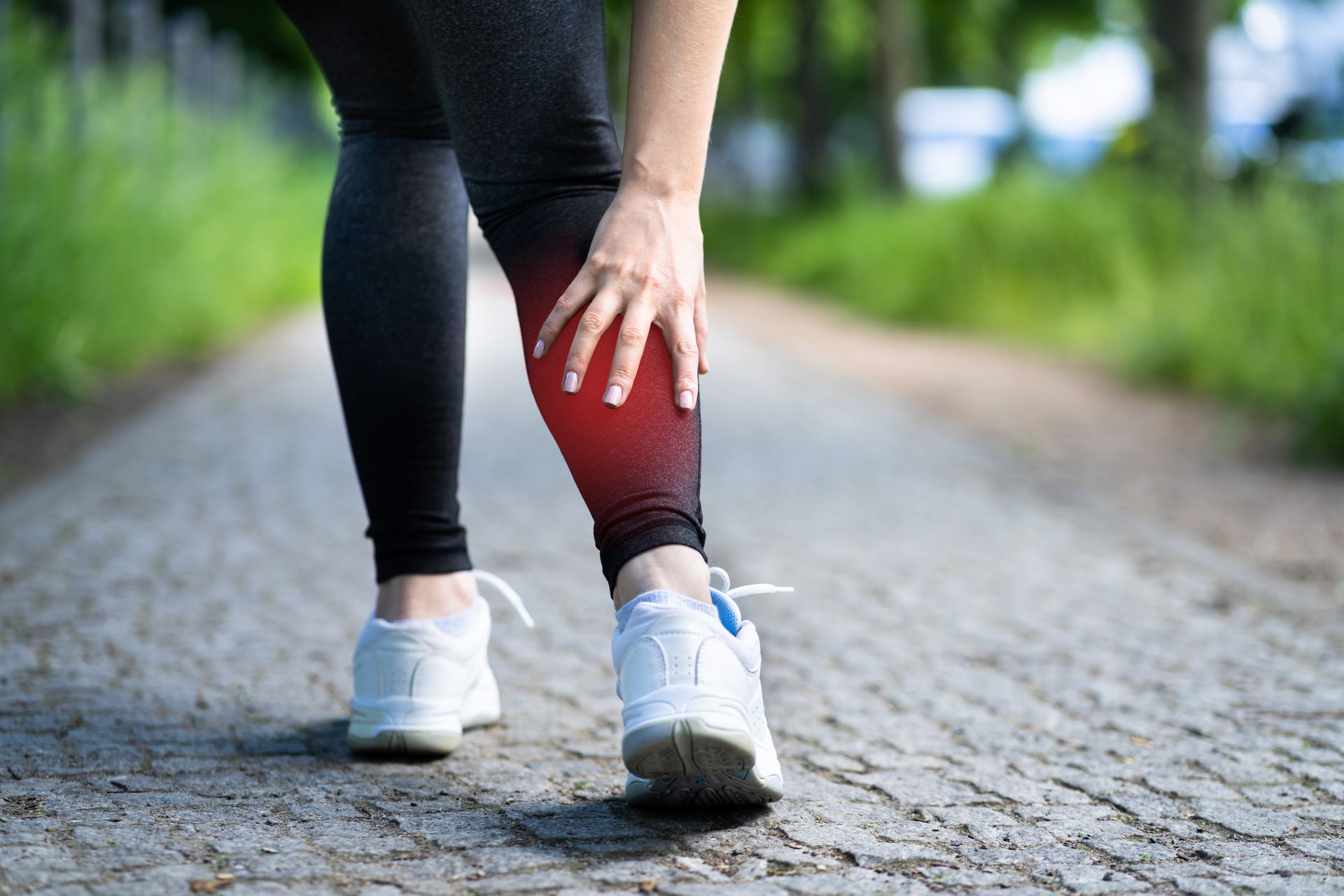
Pain or aching in your legs. Especially if the pain is localized to areas with prominent veins or follows a pattern (better with elevation, worse by day's end, worse after standing).
Heaviness or fatigue. Your legs feel unusually heavy, tired, or fatigued even without activity.
Swelling in your legs or ankles. Especially if the swelling is worse at the end of the day or after standing for extended periods.
Cramping. Leg cramps, particularly at night, can be associated with varicose veins.
Itching or burning around the veins. Uncomfortable sensations that feel related to your veins.
Restlessness in your legs. An urge to move your legs, or uncomfortable sensations, especially in the evening.
Skin Changes
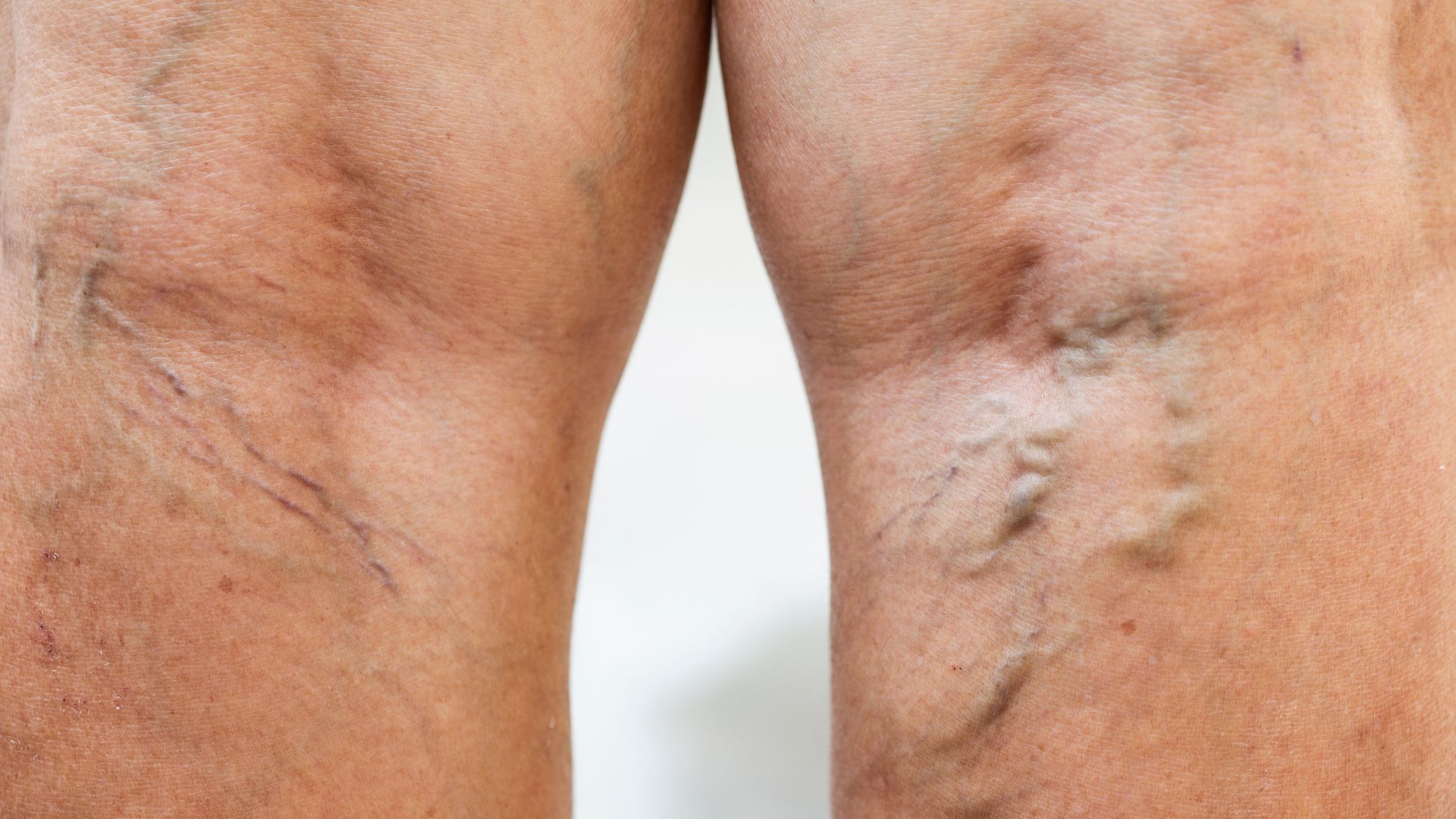
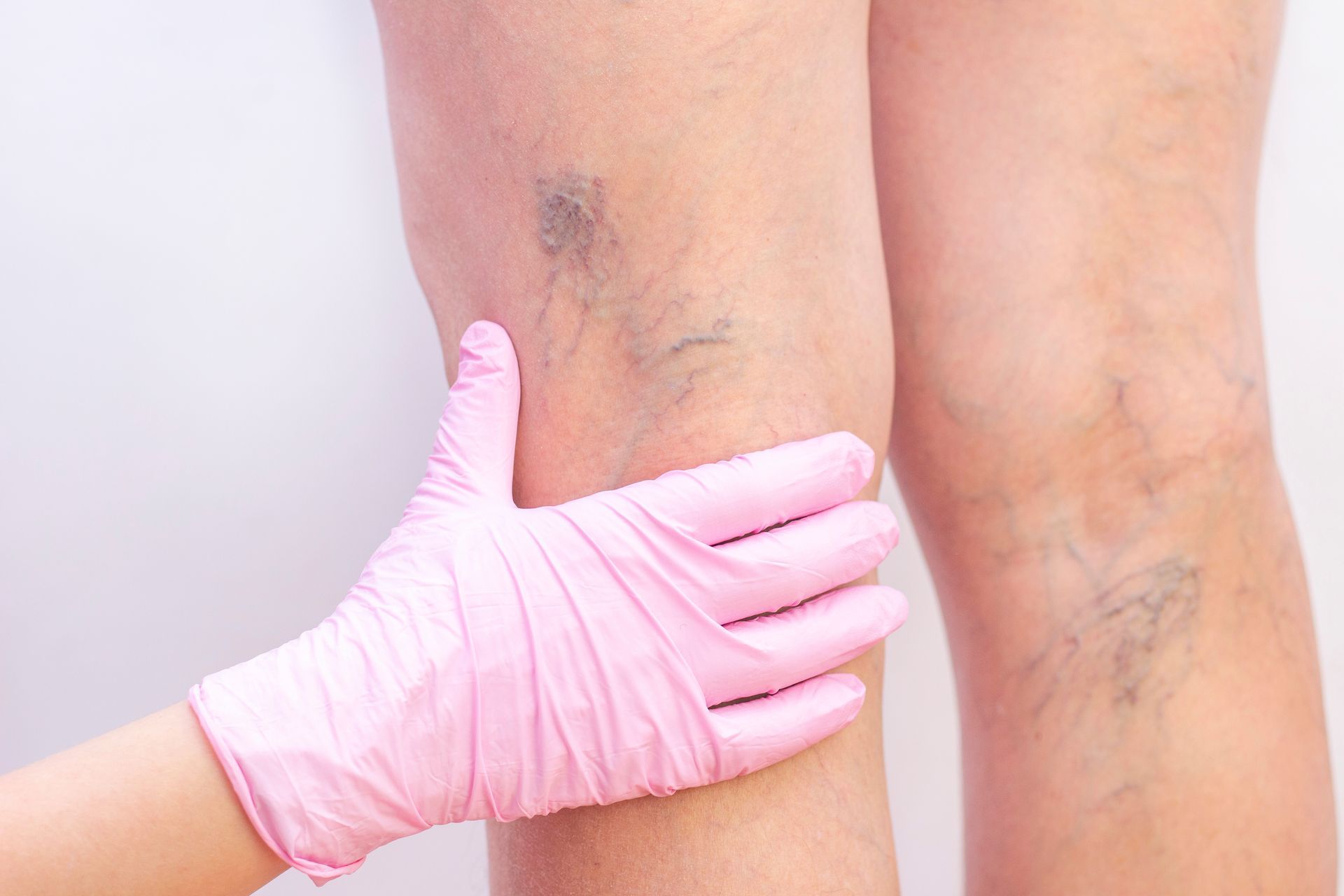
Discoloration around your veins. Skin that looks darker, more reddish, or has a different color than surrounding skin, especially around areas with prominent veins.
Skin thickening or texture changes. The skin around varicose veins might become thicker, harder, or develop a leathery texture.
Rash or dermatitis. Red, itchy, or inflamed skin around varicose veins.
Changes in appearance. If your varicose veins are suddenly becoming more prominent, changing color, or changing in a way that concerns you.
Serious Warning Signs
Certain symptoms require prompt evaluation or urgent attention:
Significant swelling that won't go down. If your leg is very swollen and elevation and rest aren't helping, this suggests your veins aren't returning blood properly.
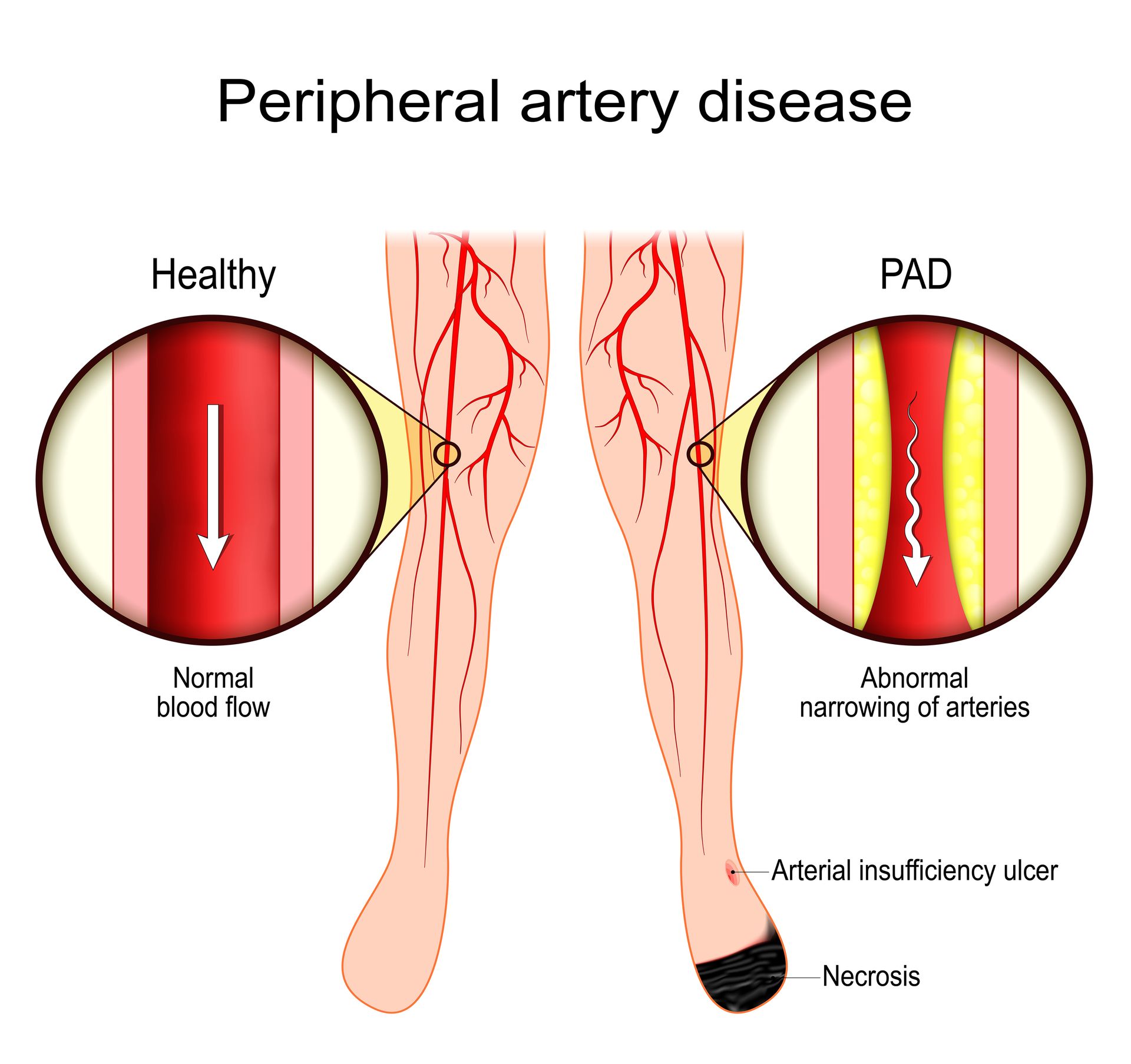
Open sores or ulcers. Wounds on your legs or around your veins that won't heal, especially if they're draining fluid or showing signs of infection.
Signs of infection. Warmth, redness, pus, or increasing pain around an ulcer or sore.
Sudden severe pain or warmth in your leg. This could indicate a blood clot (deep vein thrombosis) and needs urgent evaluation.
Significant bleeding. If a varicose vein ruptures and won't stop bleeding, apply direct pressure and seek emergency care.
Severe skin breakdown. Large areas of damaged, discolored, or ulcerated skin.
Potential Complications of Untreated Varicose Veins
While rare, untreated varicose veins can lead to complications over time. Understanding these helps you know why prompt evaluation matters:
Chronic Venous Insufficiency (CVI)
This develops when varicose veins are untreated for years and gradually impair your veins' ability to pump blood back to your heart. CVI can cause persistent swelling, skin discoloration, and eventually, venous stasis ulcers.
Venous Stasis Ulcers
These are open sores that develop on your legs, usually around the ankles, due to poor circulation. They result from years of untreated venous disease and can be difficult and painful to treat. They might not heal well and can become infected.
Early treatment of varicose veins significantly reduces your risk of developing these ulcers.
Deep Vein Thrombosis (DVT)
A blood clot in a deep leg vein is a serious condition. While most varicose veins don't cause clots, people with varicose veins have increased clot risk, especially if immobile or with certain genetic conditions.
Signs of DVT include sudden severe pain, significant swelling, warmth, and redness in one leg. DVT requires emergency evaluation.
Superficial Thrombophlebitis
A blood clot in a varicose vein closer to the skin surface. While less dangerous than DVT, it's still uncomfortable and requires medical evaluation.
Bleeding
Rarely, a varicose vein ruptures and bleeds. While usually not life-threatening, it's alarming and requires attention.
Skin Lipodermatosclerosis
This rare condition involves hardening and inflammation of the tissue under your skin. It results from years of poor circulation and chronic venous insufficiency.
The good news? Treatment prevents most of these complications. Early intervention stops varicose veins from progressing to these serious stages.
Who's at Higher Risk for Complications?
Certain people are more likely to experience complications from varicose veins. If you fit any of these categories, getting evaluated is especially important:
Family history of severe venous disease. If relatives developed significant complications from varicose veins, you're at higher risk.
Existing chronic health conditions. Diabetes, heart disease, or kidney problems increase your overall vascular risk.
Mobility limitations. People with difficulty walking, recent surgery, or prolonged bed rest are at higher clot risk.
Pregnancy. Varicose veins during pregnancy often improve after delivery, but monitoring is important.
Previous blood clots. If you've had DVT or pulmonary embolism before, your risk for future clots is higher.
Age. Older adults have higher risk for complications from untreated varicose veins.
Obesity. Extra weight increases pressure on veins and complication risk.
If you have any of these risk factors and varicose veins, professional evaluation is worthwhile.
When to Definitely See a Vein Specialist
You should schedule an appointment with a vascular specialist if:
You have varicose veins and any symptoms. Pain, heaviness, swelling, or skin changes warrant evaluation.
Your varicose veins are progressively worsening. If veins are becoming more prominent, symptoms intensifying, or new symptoms developing, see a specialist.
You're noticing skin changes. Discoloration, texture changes, or rashes around varicose veins need professional assessment.
You have risk factors for complications. Family history, previous clots, or chronic health conditions make evaluation especially important.
Varicose veins are affecting your quality of life. If pain or heaviness is limiting your activities, treatment can help.
You want cosmetic treatment. Even purely cosmetic varicose veins can be treated if they bother you appearance-wise.
Your swelling won't go down. Persistent swelling despite elevation and rest suggests venous insufficiency.
You're developing open sores. Wounds associated with varicose veins need prompt evaluation to prevent serious complications.
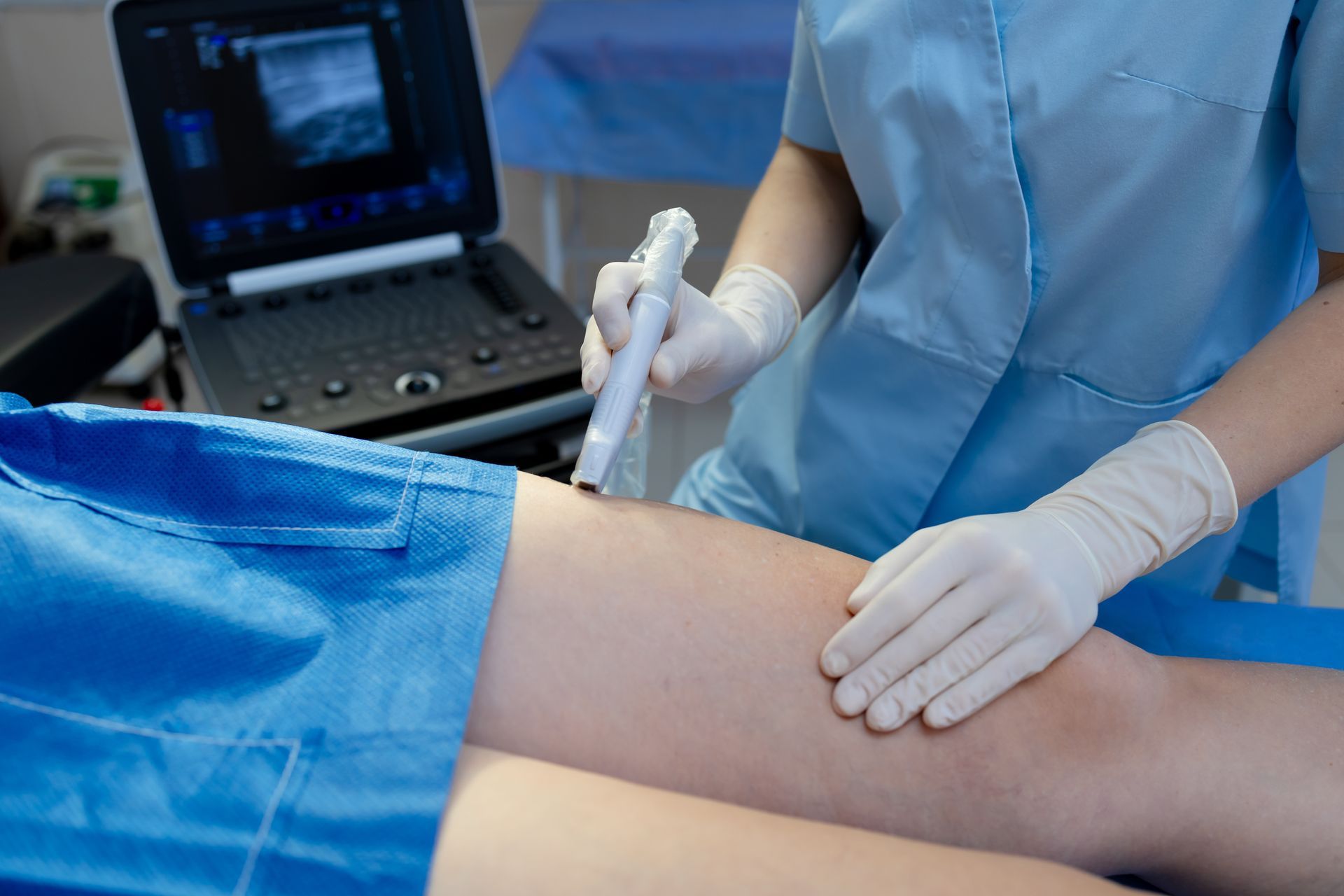
At Ascent Vascular, we can perform a vascular ultrasound to assess your veins, determine your risk level, and recommend appropriate treatment if needed.
What Happens at Your Evaluation
If you call to schedule an appointment for varicose veins, here's what to expect:
Physical examination. The specialist will look at your veins, check for swelling, assess skin condition, and examine both legs to compare.
Symptom discussion. You'll describe any symptoms, how long you've had them, and how they affect your daily life.
Vascular ultrasound (if indicated). This painless test uses sound waves to create images of your veins and assess blood flow. It shows whether your veins are functioning normally or if there are problems.
Risk assessment. Based on examination and any testing, your specialist will determine your current risk level for complications.
Treatment discussion. If treatment is recommended, you'll learn about your options and what to expect. If not, you'll get guidance on monitoring your veins.
The whole appointment usually takes 1 to 2 hours including any testing needed.
Treatment Options for Symptomatic Varicose Veins
If your evaluation determines that treatment is appropriate, several effective options exist. You can learn more about all available vein treatments on our treatments page.
Sclerotherapy involves injecting medication directly into varicose veins, causing them to collapse and fade. It's effective, minimally invasive, and has minimal recovery time.
Radiofrequency ablation (ClosureFast) uses heat energy to close damaged veins from the inside. A small catheter delivers the energy, and the vein shrinks and reabsorbs over time.
VenaSeal uses medical adhesive to seal veins shut. This newer technique is very effective and requires no anesthesia.
Verithena Microfoam uses a special foam injected into the vein to cause closure and reabsorption.
Microphlebectomy involves removing surface varicose veins through tiny incisions, often combined with other treatments.
Most treatments are minimally invasive, done in-office, and allow quick return to normal activities. Many people see improvement in symptoms within weeks to months.
Lifestyle Measures to Slow Progression
While you're considering treatment or waiting for an appointment, certain lifestyle changes can slow varicose vein progression and reduce symptoms:
Elevate your legs. When resting, prop your legs above heart level for 15-20 minutes several times daily. This helps blood flow back to your heart and reduces swelling.
Stay active. Regular walking or other moderate exercise improves circulation and strengthens your leg muscles.
Avoid prolonged sitting or standing. Take movement breaks every hour. If you must sit, avoid crossing your legs, which restricts blood flow.
Wear compression stockings. Graduated compression stockings help support blood flow and reduce symptoms. They're available at pharmacies and medical supply stores.
Maintain healthy weight. Extra weight increases pressure on your veins. Even modest weight loss helps.
Stay hydrated. Proper hydration helps keep your blood at an optimal viscosity for circulation.
Avoid excessive heat. Hot baths, saunas, and prolonged sun exposure dilate veins, making them work harder. Keep these limited.
Manage other conditions. Keep blood pressure and cholesterol under control, and manage diabetes if you have it.
Eat well. A diet low in salt, sugar, and saturated fat and high in fiber supports vascular health.
These measures won't eliminate existing varicose veins, but they can help manage symptoms and slow progression while you're considering treatment options.
The Bottom Line: Risk vs. Urgency
So are varicose veins dangerous? The nuanced answer is: most aren't immediately dangerous, but some can develop into serious problems if ignored for years.
Think of it this way:
No symptoms, no skin changes = Low risk. Cosmetic concern only. Monitor your veins but no urgency.
Symptoms present = Moderate risk. Not an emergency, but warrant evaluation and likely treatment to prevent progression.
Skin changes, non-healing sores = Higher risk. Need prompt evaluation and treatment.
Signs of blood clot, severe infection = Urgent. Seek immediate medical attention.
For most people with varicose veins, the right approach is scheduling an evaluation within weeks to understand your situation, get professional assessment of your specific risk, and discuss treatment options. This prevents complications while giving you time to make informed decisions.
Don't panic about your varicose veins, but don't ignore them either. Professional evaluation is the smart middle ground.
FAQs About Varicose Vein Dangers and Complications
Can varicose veins cause a stroke or heart attack?
No. Varicose veins in your legs won't directly cause a stroke or heart attack. However, having varicose veins indicates you may have circulation issues elsewhere, including in your heart's arteries. This is why overall cardiovascular health management matters if you have varicose veins. If you're concerned about heart or stroke risk, talk to your primary care doctor.
What's the difference between varicose veins and a blood clot?
Varicose veins are enlarged veins due to weak valves. A blood clot (DVT) is a clump of blood blocking a vein. They're different. However, people with varicose veins have slightly higher blood clot risk, especially if immobile. Sudden severe pain, significant swelling, or warmth in one leg might indicate a clot and needs urgent evaluation.
Can you die from varicose veins?
Varicose veins themselves are not life-threatening. However, serious complications like untreated blood clots or severe infections could be dangerous if not managed. This is why monitoring and early treatment matter.
Are varicose veins worse during pregnancy?
Varicose veins often develop during pregnancy due to increased blood volume and hormonal changes. They may be more uncomfortable during pregnancy. The good news is that many improve after delivery. If you develop varicose veins during pregnancy, discuss them with your obstetrician.
Can varicose veins cause permanent damage?
If very severe and untreated for many years, varicose veins can lead to permanent skin changes and chronic venous insufficiency. This is why treatment, when indicated, is important. Treating varicose veins before permanent changes develop prevents these outcomes.
How fast do varicose veins worsen?
Progression varies greatly by person. Some people have stable varicose veins for years without significant change. Others see faster progression, especially if risk factors aren't managed. Regular monitoring helps catch worsening early.
Will varicose veins go away if I lose weight?
Weight loss can reduce symptoms and slow progression, but it won't eliminate veins that have already enlarged. Treatment is needed to actually close and remove varicose veins.
Can you get varicose veins on your face or other body parts?
While we typically think of leg varicose veins, similar vein problems can occur on other body parts. Facial veins, for example, sometimes become enlarged. Treatment options vary by location.
Are over-the-counter creams effective for varicose veins?
No cream can eliminate varicose veins. Some products might temporarily improve appearance or reduce swelling, but they don't actually close or shrink the veins. Professional treatment is needed for actual results.
Should I avoid exercise if I have varicose veins?
No. In fact, appropriate exercise helps. Walking and other moderate activity improve circulation and reduce symptoms. Avoid intense exercise on very swollen legs, but general movement is beneficial. Talk to your doctor about what's appropriate for you.
FAQs About Ascent Vascular Specialist and Vein Center
How do you determine if my varicose veins are dangerous?
During your evaluation, we'll examine your veins, assess your symptoms, perform vascular ultrasound if needed, review your medical history and risk factors, and determine your current risk level. Based on all this information, we'll recommend whether treatment is needed and discuss your options.
What happens if I don't treat symptomatic varicose veins?
Untreated symptomatic varicose veins often gradually worsen over years. Symptoms may intensify, swelling might increase, and skin changes might develop. Early treatment prevents this progression and complications.
Can you treat varicose veins that are already causing complications?
Yes. We can treat varicose veins at various stages. Even if complications like ulcers have begun, treating the underlying veins is important to allow wounds to heal and prevent recurrence.
How soon after diagnosis can I have treatment?
This depends on your situation. For symptomatic varicose veins without urgent complications, we typically schedule treatment within weeks. For more urgent situations, we work to accommodate faster scheduling.
Will treating my varicose veins prevent future complications?
Treating varicose veins significantly reduces risk of complications. However, because the underlying predisposition to vein problems remains, new veins can develop over time. Lifestyle measures help prevent new veins, and we monitor you periodically.
Do you do emergency evaluation if I'm worried about a blood clot?
If you have symptoms suggesting a blood clot (severe pain, significant swelling, warmth, redness in one leg), don't wait for an appointment. Go to an emergency room or call 911. However, if you have concerns about your varicose veins during business hours, call us at (970) 926-1003.
What's your recommendation if I have varicose veins with no symptoms?
We typically recommend a baseline evaluation to understand your vein health and determine risk level. If purely cosmetic with no complications, treatment is optional. But understanding your situation helps you make informed decisions about when and whether to pursue treatment.
How often should I be monitored if I have untreated varicose veins?
This depends on your specific situation and risk factors. We'll recommend appropriate follow-up intervals based on your assessment. Generally, periodic check-ins help catch any changes early.
Can you treat varicose veins in pregnancy?
We typically delay treatment until after pregnancy unless there are urgent complications. Most varicose veins improve after delivery. However, if you develop concerning symptoms during pregnancy, discuss them with your obstetrician and let us know so we can monitor.
Understanding Your Veins Is the First Step
Now that you understand the difference between spider veins and varicose veins, you can make informed decisions about whether and when to pursue treatment. Spider veins are usually harmless and cosmetic. Varicose veins sometimes warrant evaluation and treatment to prevent complications and improve comfort.
The key is not to ignore symptoms. If your legs are aching, swelling, or your veins are bothering you cosmetically, professional evaluation helps you understand your options and make the best choice for your situation.
At Ascent Vascular Specialist and Vein Center in Edwards, Colorado, we specialize in treating spider veins, varicose veins, and other vascular conditions. Our team uses the latest minimally invasive treatments to help you feel and look your best.
Whether you're considering treatment for cosmetic reasons or you're experiencing uncomfortable symptoms, we're here to help. Contact us today to schedule a consultation, or call our Edwards office at (970) 926-1003.
Visit us at: Ascent Vascular Specialist and Vein Center 1140 Edwards Village Blvd. B204 Edwards, CO 81632
You can also explore more about our vein treatment options, read more vascular health information on our blog, or learn about other vascular conditions we treat.
Don't let vein concerns affect your confidence or comfort. Let's talk about what's possible for you.
Disclaimer: The information provided on this blog is for general informational purposes only and is not intended as, and should not be considered, medical advice. All information, content, and material available on this blog are for general informational purposes only. Readers are advised to consult with a qualified healthcare professional for medical advice, diagnosis, or treatment. The author and the blog disclaim any liability for the decisions you make based on the information provided. Always seek the advice of your physician or other qualified health provider with any questions you may have regarding a medical condition.