What Is Peripheral Arterial Disease (PAD)? Symptoms, Causes, and When to Seek Treatment
Key Points
- Peripheral arterial disease (PAD) affects millions of Americans and occurs when narrowed arteries reduce blood flow to the limbs
- Common symptoms include leg pain when walking, numbness, and slow-healing wounds
- Risk factors include smoking, diabetes, high blood pressure, and being over 50
- Early detection and treatment can prevent serious complications like limb loss
- Ascent Vascular offers comprehensive PAD diagnosis and treatment in Edwards, CO
Understanding Peripheral Arterial Disease
If you've noticed cramping in your legs when you walk, or your feet feel cold even when the weather's warm, you might be dealing with more than just aging. These could be signs of peripheral arterial disease, or PAD.
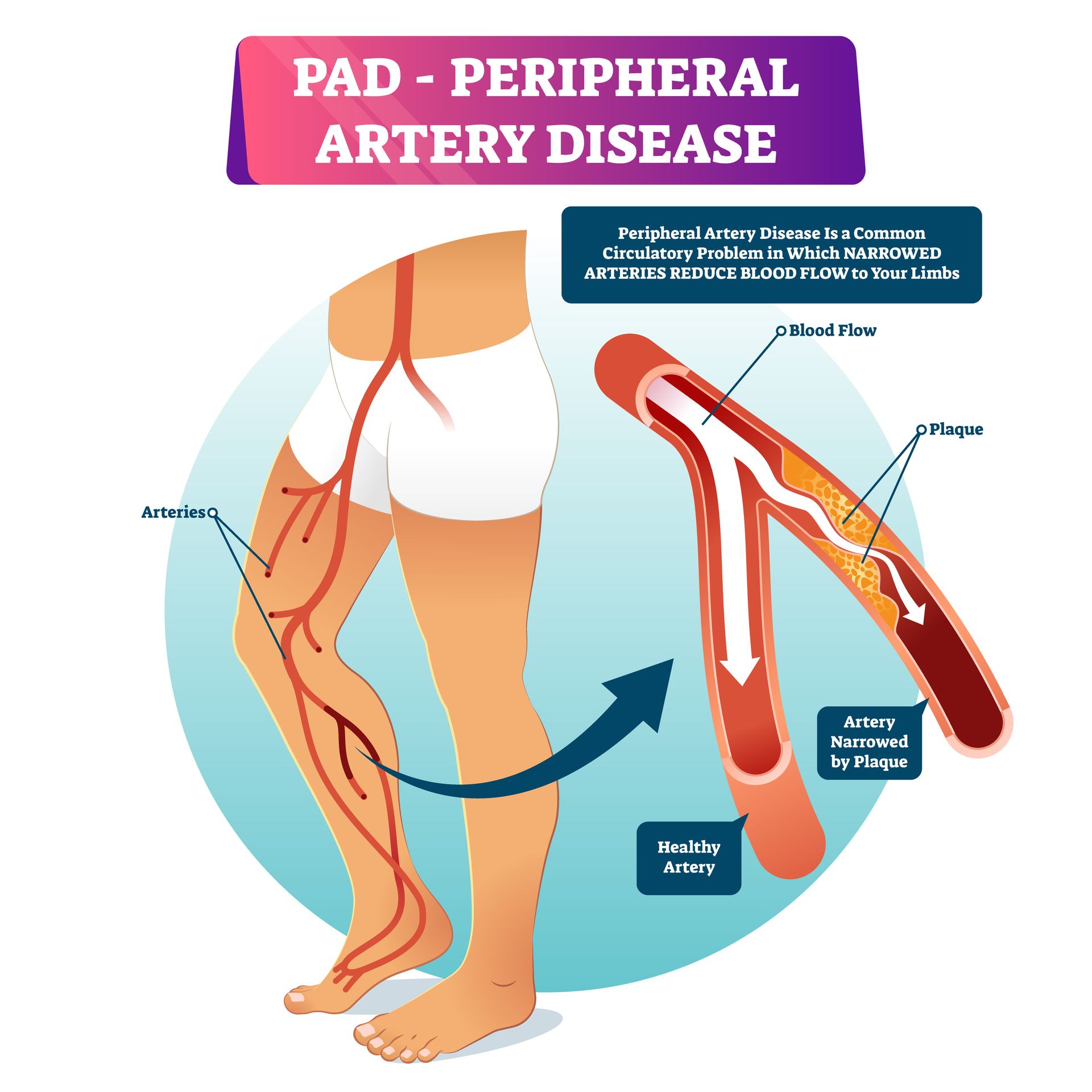
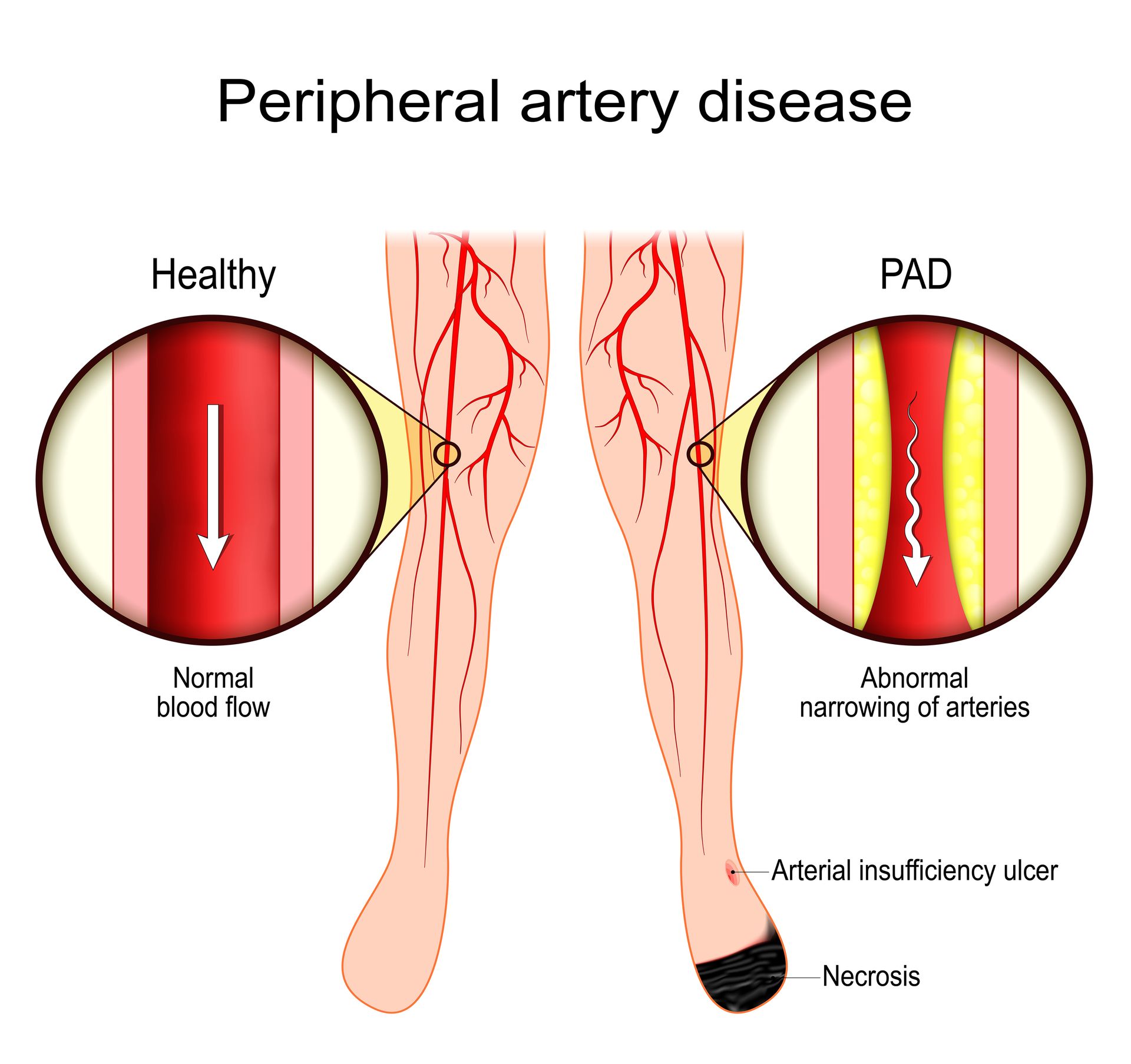
Peripheral arterial disease is a circulation problem where narrowed arteries reduce blood flow to your arms or legs (most commonly your legs).
Think of it like a garden hose that's gotten clogged over time. When plaque builds up in your arteries, less blood can flow through, and your muscles aren't getting the oxygen-rich blood they need to function properly.
PAD affects about 8 to 12 million Americans, yet many people don't realize they have it. At Ascent Vascular, we specialize in diagnosing and treating this common but serious vascular condition right here in Edwards, Colorado.
What Causes Peripheral Arterial Disease?
The main culprit behind PAD is atherosclerosis, a fancy word for the buildup of fatty deposits (plaque) on your artery walls. Over time, this plaque hardens and narrows your arteries, making it tough for blood to squeeze through.
Several factors can increase your risk of developing PAD:
Smoking is the single biggest risk factor. Tobacco damages your blood vessel walls and accelerates plaque buildup. If you smoke, you're four times more likely to develop PAD than nonsmokers.
Diabetes significantly raises your risk because high blood sugar levels can damage your blood vessels over time. In fact, people with diabetes are twice as likely to develop PAD.
High blood pressure puts extra stress on your artery walls, making them more susceptible to damage and plaque formation.
High cholesterol contributes directly to the plaque that clogs your arteries. When you have too much LDL ("bad") cholesterol in your blood, it sticks to your artery walls.
Age matters too. Your risk increases as you get older, especially after 50. The wear and tear on your arteries over the years makes PAD more likely.
Family history can play a role. If your parents or siblings have had PAD or other vascular diseases, you're at higher risk.
Recognizing the Symptoms of PAD
Here's the tricky part: many people with PAD don't experience obvious symptoms, especially in the early stages. But as the disease progresses, you might notice:
Claudication (Leg Pain When Walking)
This is the most common symptom. You might feel cramping, aching, or tiredness in your leg muscles when you walk or exercise. The pain typically goes away when you rest for a few minutes. It often affects your calves, but you might also feel it in your thighs or buttocks.
Numbness or Weakness
Your legs or feet might feel weak, numb, or just "different" than they used to.
Coldness in Your Lower Leg or Foot
If one leg feels noticeably colder than the other, especially in your lower leg or foot, that's worth checking out.
Sores That Won't Heal
Wounds, ulcers, or sores on your toes, feet, or legs that heal slowly or not at all can be a red flag for PAD.
Color Changes
Your legs might look pale, bluish, or shiny. Your toenails might grow slowly or appear thick.
Hair Loss or Slower Growth
You might notice less hair on your legs or that it's growing more slowly than before.
Erectile Dysfunction
For men, PAD can sometimes cause or contribute to erectile dysfunction.
The severity of symptoms varies from person to person. Some folks only have mild discomfort, while others experience pain that significantly limits their daily activities.
Why You Shouldn't Ignore PAD
Peripheral arterial disease isn't just about leg pain. It's a warning sign that you might have blocked arteries elsewhere in your body, too. People with PAD are at higher risk for heart attack and stroke because the same plaque buildup that's affecting your legs could be affecting the arteries to your heart and brain.
If left untreated, severe PAD can lead to critical limb ischemia, a condition where blood flow is so reduced that you develop painful sores or gangrene. In the worst cases, this can result in amputation. That's why early detection and treatment are so important.
How Is PAD Diagnosed?
If you're experiencing symptoms, our team at Ascent Vascular will start with a thorough physical exam and review of your medical history. We'll check the pulses in your legs and feet and look for other signs of poor circulation.
The most common diagnostic test is the ankle-brachial index (ABI). It's simple and painless. We compare the blood pressure in your ankle to the blood pressure in your arm. If the pressure in your ankle is lower than in your arm, it could indicate PAD.
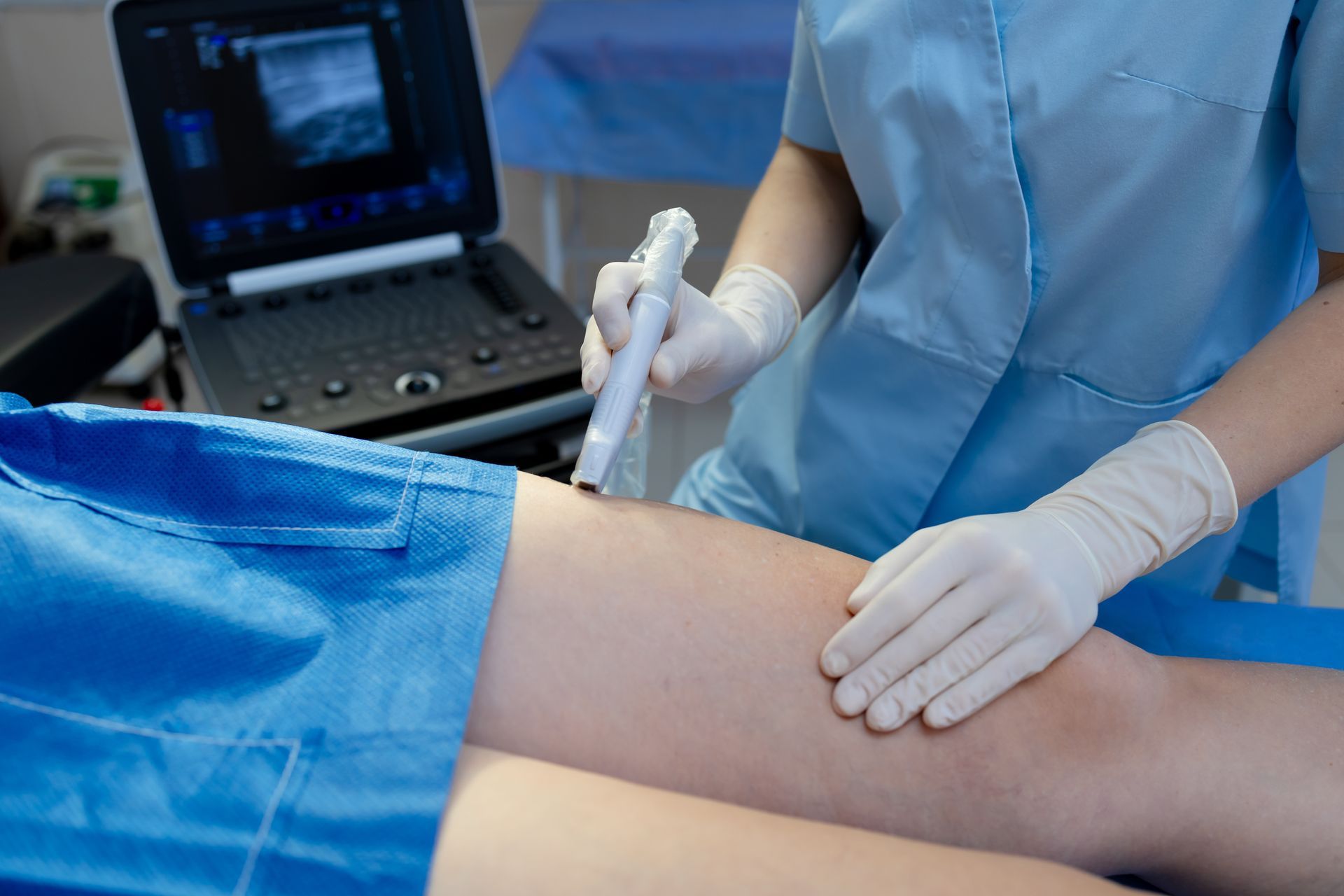
We might also use ultrasound imaging to get a detailed look at blood flow in your arteries. This non-invasive test helps us see exactly where blockages are located and how severe they are. You can learn more about the importance of ultrasound for vascular care on our blog.
Treatment Options for PAD
The good news? PAD is very treatable, especially when caught early. Treatment focuses on managing symptoms, improving your quality of life, and preventing the disease from progressing.
Lifestyle Changes
Often, the first line of defense involves making healthier choices:
- Quit smoking: This is the single most important step you can take
- Exercise regularly: Supervised walking programs can actually improve your symptoms
- Eat a heart-healthy diet: Focus on fruits, vegetables, whole grains, and lean proteins
- Manage other conditions: Keep diabetes, high blood pressure, and cholesterol under control
Healthy habits play a crucial role in preventing vascular problems, and they're equally important in managing existing conditions.
Medications
Your doctor might prescribe medications to:
- Lower cholesterol
- Control blood pressure
- Prevent blood clots
- Improve blood flow
Minimally Invasive Procedures
For more advanced PAD, we offer several treatment options that can restore blood flow without major surgery. These might include angioplasty (opening blocked arteries with a balloon) or stenting (placing a small mesh tube to keep arteries open).
When Should You See a Vascular Specialist?
Don't wait until symptoms become severe. You should schedule an appointment if you:
- Experience leg pain when walking that goes away with rest
- Have sores on your feet or legs that aren't healing
- Notice color or temperature changes in your legs or feet
- Are over 50 and have risk factors like diabetes or smoking history
- Have been diagnosed with atherosclerosis in other parts of your body
At Ascent Vascular, we're dedicated to providing personalized care for all your vascular health needs. Dr. Michael Spaulding and our experienced team are here to help you understand your condition and develop a treatment plan that works for your lifestyle.
Living Well with PAD
Getting diagnosed with peripheral arterial disease doesn't mean you have to give up the activities you love. With the right treatment and lifestyle adjustments, many people manage PAD successfully and maintain an active, fulfilling life.
The key is being proactive about your vascular health. Regular check-ups help us monitor your condition and adjust treatment as needed. Think of it like maintaining your car. Regular tune-ups keep everything running smoothly.
FAQs About Peripheral Arterial Disease (PAD)
What's the difference between PAD and poor circulation?
PAD is a specific medical condition where plaque buildup narrows your arteries. Poor circulation is a general term that can describe PAD but might also refer to other issues. PAD is one of the most common causes of chronic poor circulation in the legs.
Can PAD be cured?
While there's no cure for PAD, it can be effectively managed and even improved with treatment. The plaque buildup can't be completely reversed, but treatments can open narrowed arteries, improve blood flow, and prevent the disease from getting worse.
Is PAD the same as a blood clot?
No, PAD is caused by plaque buildup that gradually narrows arteries. A blood clot (like deep vein thrombosis) is different. It's when blood thickens and forms a clump that can suddenly block blood flow. However, people with PAD are at higher risk for blood clots.
How quickly does PAD progress?
This varies greatly from person to person. Some people have stable, mild PAD for years, while others experience faster progression. Lifestyle factors like smoking, diabetes control, and exercise habits significantly influence how quickly PAD advances.
Can younger people get PAD?
While PAD is most common in people over 50, younger individuals can develop it, especially if they smoke, have diabetes, or have strong family history of vascular disease. It's rare in people under 40 but not impossible.
Will I need surgery for PAD?
Not everyone with PAD needs surgery. Many people manage successfully with lifestyle changes and medication. Minimally invasive procedures are available for moderate to severe cases. Major surgery is typically reserved for the most advanced situations.
FAQs About Ascent Vascular Specialist and Vein Center
Where is Ascent Vascular located?
We're conveniently located at 1140 Edwards Village Blvd. B204, Edwards, CO 81632. We serve patients throughout the Vail Valley and surrounding mountain communities.
What services does Ascent Vascular offer?
We specialize in diagnosing and treating a full range of vascular conditions, including peripheral arterial disease, varicose veins, spider veins, deep vein thrombosis, and chronic venous disease. We offer both medical management and minimally invasive treatments.
Do I need a referral to see Ascent Vascular?
While some insurance plans require referrals, many don't. We recommend checking with your insurance provider. You can also call our clinic at (970) 926-1003 to discuss your specific situation.
What should I expect at my first appointment?
Your first visit will include a comprehensive evaluation of your vascular health. We'll review your medical history, perform a physical examination, and may conduct diagnostic tests like ultrasound. We'll take time to answer your questions and discuss any concerns you have.
Does Ascent Vascular accept insurance?
Yes, we work with most major insurance plans. Our team can help verify your coverage and explain your benefits. Contact us for specific questions about your insurance.
How do I schedule an appointment?
You can call us directly at (970) 926-1003 or
request an appointment through our website. We strive to accommodate appointments as quickly as possible, especially for urgent concerns.
Take the First Step Toward Better Vascular Health
If you're experiencing symptoms of peripheral arterial disease or have concerns about your vascular health, don't wait. Early intervention makes a real difference in outcomes and quality of life.
At Ascent Vascular Specialist and Vein Center, we combine cutting-edge diagnostic technology with compassionate, personalized care. We'll work with you to develop a treatment plan that fits your needs and goals.
Ready to learn more? Contact us today to schedule your consultation, or call our Edwards clinic at (970) 926-1003. Your healthier tomorrow starts with one conversation today.
You can also explore our
patient testimonials to hear from others we've helped, or
visit our blog for more information about maintaining your vascular health.
Disclaimer: The information provided on this blog is for general informational purposes only and is not intended as, and should not be considered, medical advice. All information, content, and material available on this blog are for general informational purposes only. Readers are advised to consult with a qualified healthcare professional for medical advice, diagnosis, or treatment. The author and the blog disclaim any liability for the decisions you make based on the information provided. Always seek the advice of your physician or other qualified health provider with any questions you may have regarding a medical condition.