From Consultation to Recovery: Your Complete Guide to Radiofrequency Ablation for Varicose Veins
Key Points
- Radiofrequency ablation (RFA) is a minimally invasive, office-based procedure that treats varicose veins from the inside
- The entire procedure typically takes 30-40 minutes with immediate return to walking
- Most patients return to work within 1-2 days and resume normal activities within a week
- Success rates exceed 95% for eliminating treated veins and relieving symptoms
- The procedure uses heat energy to seal problematic veins, rerouting blood through healthier vessels
- Local anesthesia means you're awake and comfortable throughout the treatment
- Recovery in Edwards' high altitude requires specific considerations for optimal healing
- RFA has largely replaced painful vein stripping surgery with dramatically better outcomes
You've finally decided to do something about those aching, bulging varicose veins that have been bothering you for years. Your doctor mentioned radiofrequency ablation, you've done some online research, but you still have questions. What actually happens during the procedure? Will it hurt? How long before you can get back to hiking the trails around Edwards or hitting the slopes?
The unknown is often scarier than reality. Radiofrequency ablation (RFA) sounds intimidating—words like "ablation" don't exactly inspire calm. But here's the truth: this procedure is far less dramatic than it sounds. Most patients are surprised by how straightforward, quick, and comfortable the experience actually is.
Understanding exactly what to expect—from the moment you arrive for your procedure through complete recovery—removes the anxiety and helps you prepare appropriately. You'll know what sensations are normal, what timeline to expect, and when to contact your doctor about concerns.
Let's walk through your complete RFA journey, step by step, so you know exactly what lies ahead.
Understanding Radiofrequency Ablation: The Basics
Before diving into what to expect, let's clarify what radiofrequency ablation for varicose veins actually involves.
How RFA Works
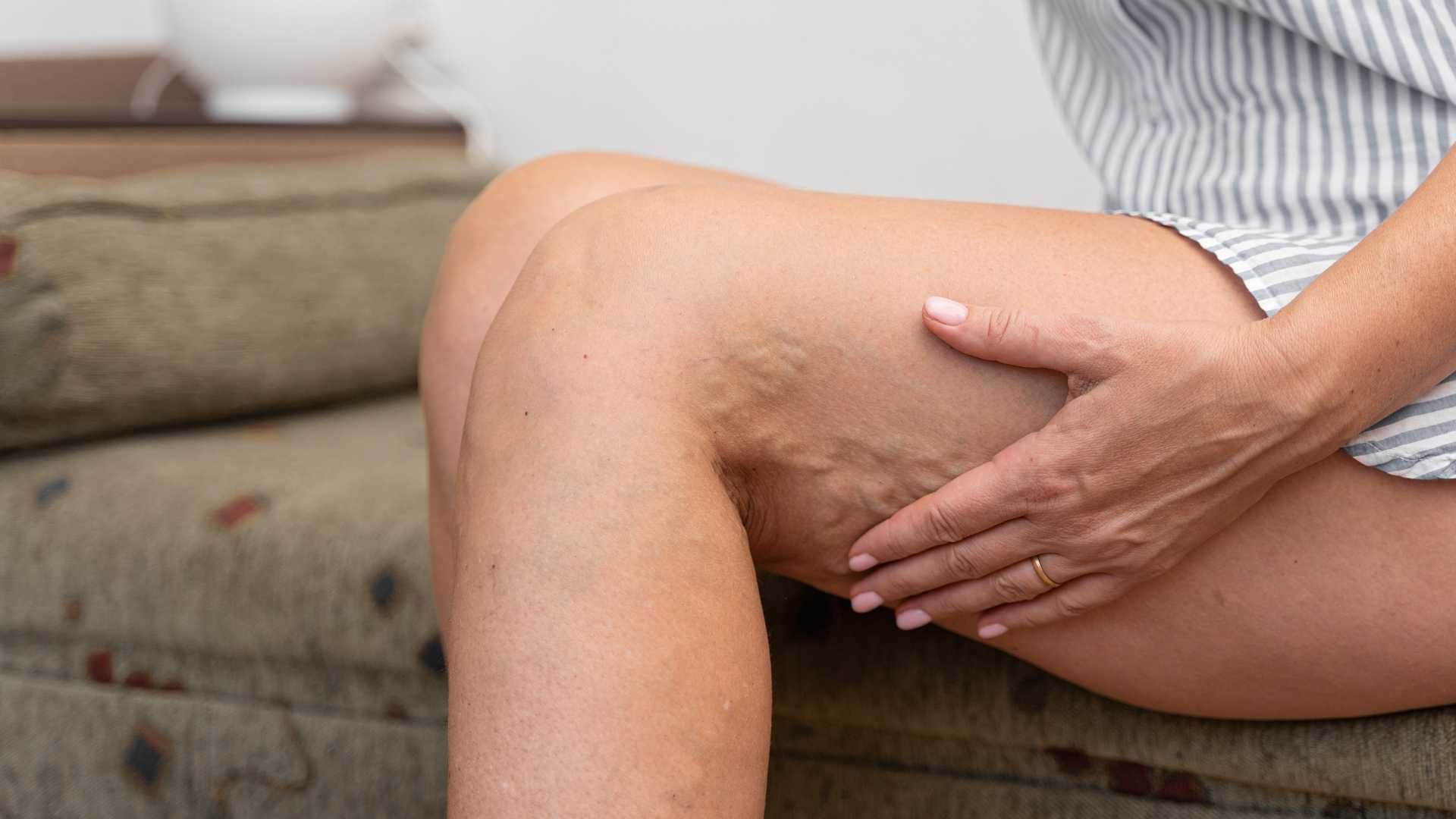
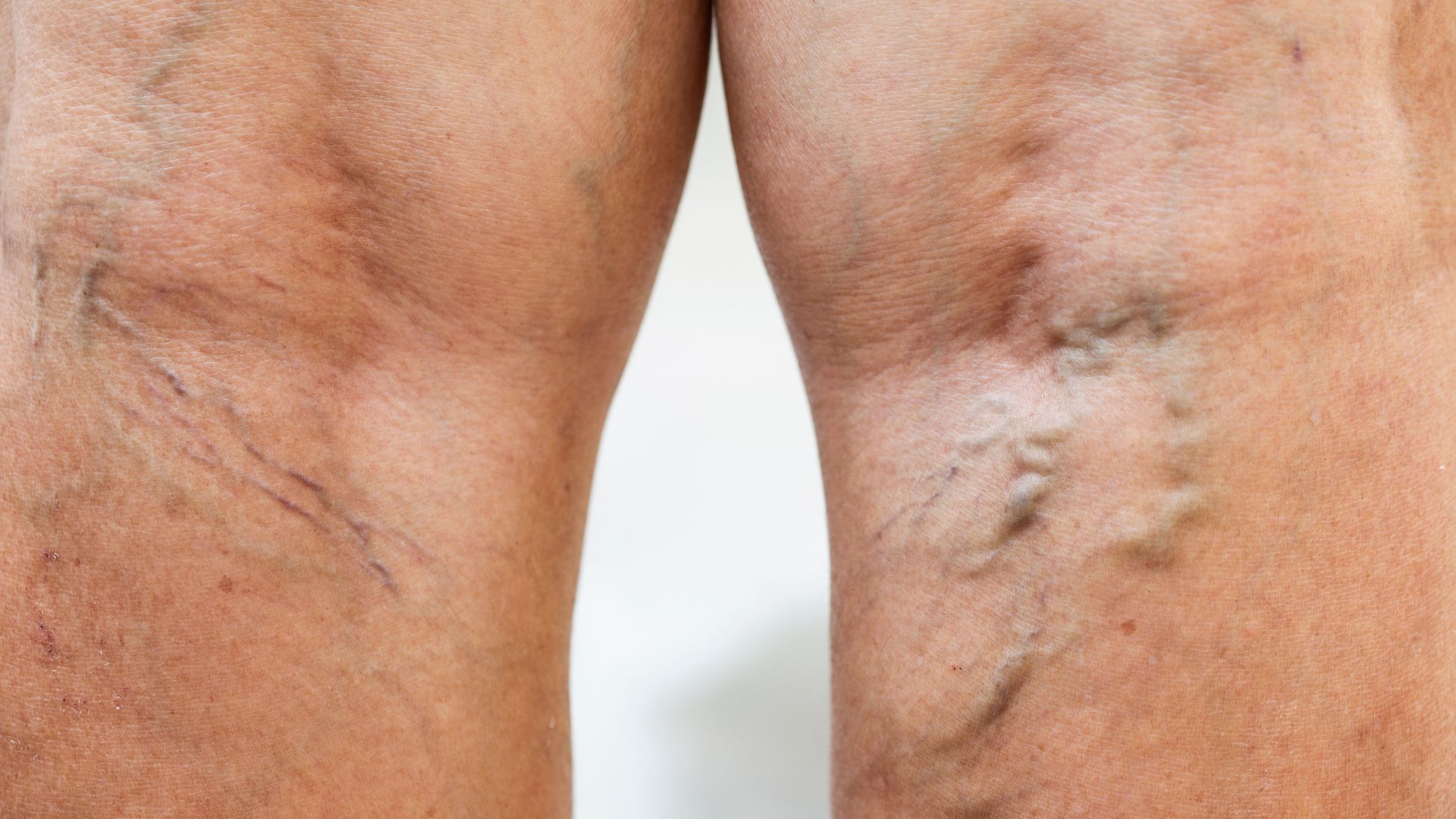
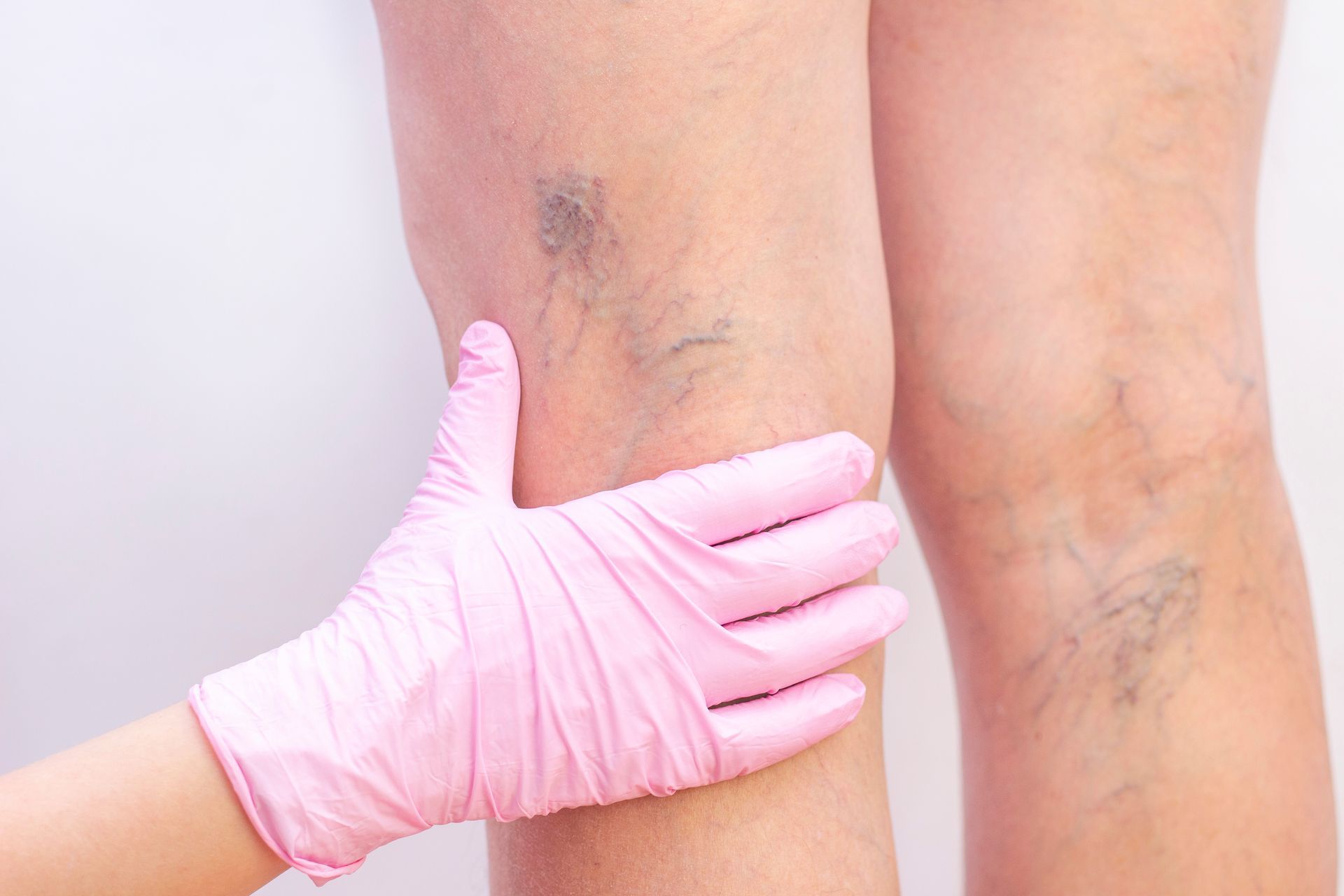
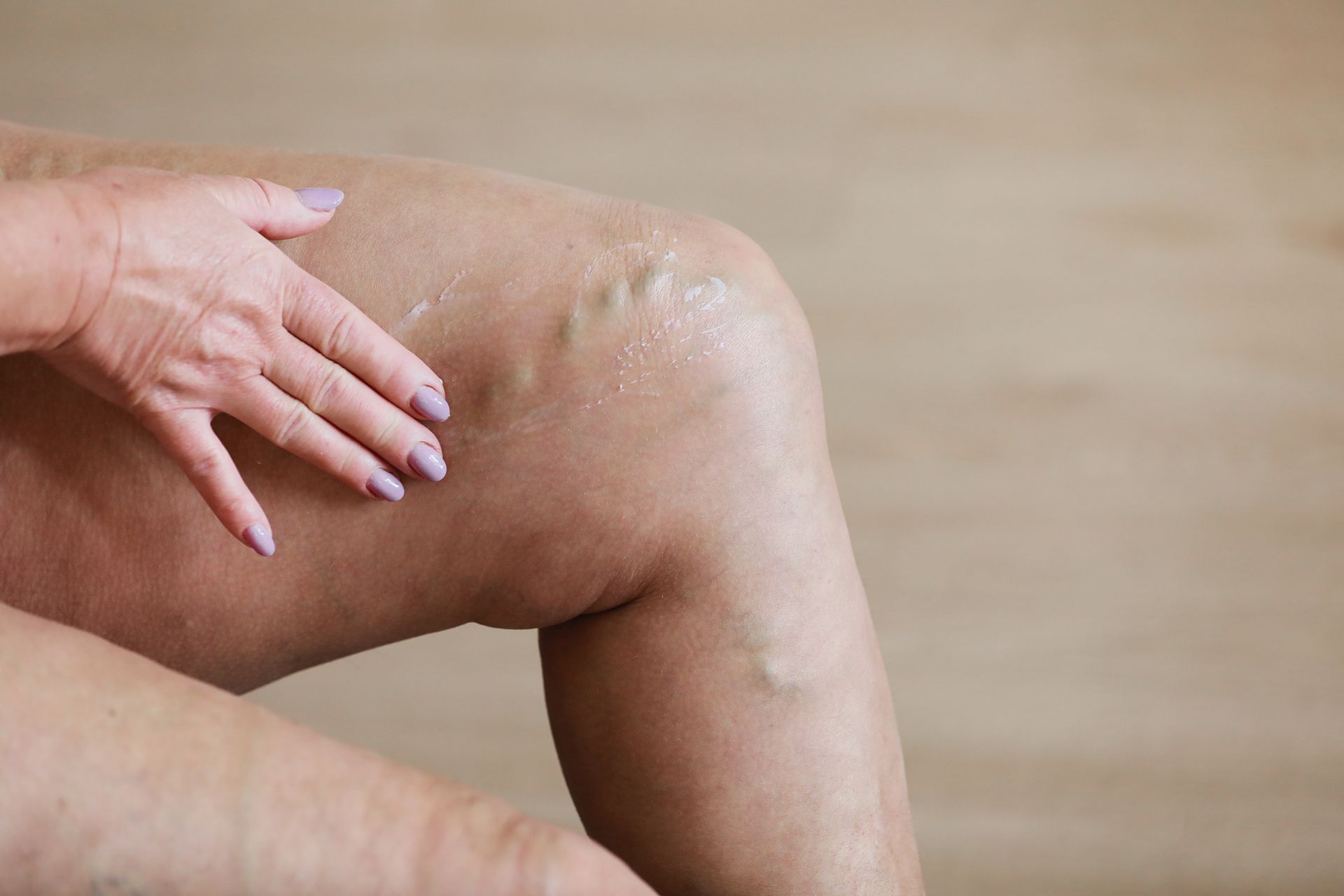
Varicose veins develop when valves inside leg veins fail, allowing blood to pool rather than flow efficiently back to the heart. This pooling creates the swollen, twisted veins you see bulging beneath your skin.
RFA treats the source of the problem—the malfunctioning vein itself. The procedure:
- Uses radiofrequency energy (controlled heat) to damage the vein wall
- Causes the vein to collapse and seal shut
- Redirects blood through healthier nearby veins
- Allows your body to gradually absorb the treated vein over time
Think of it like closing a damaged highway and rerouting traffic to better roads. Your circulatory system adapts seamlessly, and symptoms improve as problematic veins are eliminated.
Why RFA Instead of Surgery
Traditional vein stripping surgery involved making incisions, physically pulling veins out of your leg, general anesthesia, and weeks of painful recovery. RFA changed everything:
- Minimally invasive: Tiny catheter inserted through a needle-sized entry point
- Office-based: No hospital, no operating room
- Local anesthesia: You're awake and comfortable
- Quick procedure: Usually under an hour
- Immediate mobility: Walk out of the office
- Rapid recovery: Back to normal activities in days, not weeks
- Excellent results: 95%+ success rates
The evolution from surgical stripping to RFA represents one of the most significant advances in vein treatment over the past two decades.
Is RFA Right for You?
RFA works best for:
- Saphenous vein insufficiency (the most common cause of varicose veins)
- Moderate to large varicose veins
- Symptomatic veins causing pain, swelling, or heaviness
- Patients wanting to avoid surgery
Dr. Ziporin will evaluate your specific venous anatomy through ultrasound to determine if RFA is the optimal treatment for your situation.
Pre-Procedure Preparation: Getting Ready
RFA preparation is straightforward, but following instructions carefully ensures the best outcome.
The Week Before
Medication Review: Discuss all medications and supplements with Dr. Ziporin's team. You may need to temporarily stop:
- Blood thinners (timing depends on the specific medication)
- Anti-inflammatory drugs like aspirin or ibuprofen
- Certain supplements that affect clotting
Never stop prescribed medications without medical guidance. The team will provide specific instructions based on your situation.
Arrange Transportation: While you'll be able to walk after the procedure, you shouldn't drive yourself home. Arrange for someone to drive you to and from your appointment.
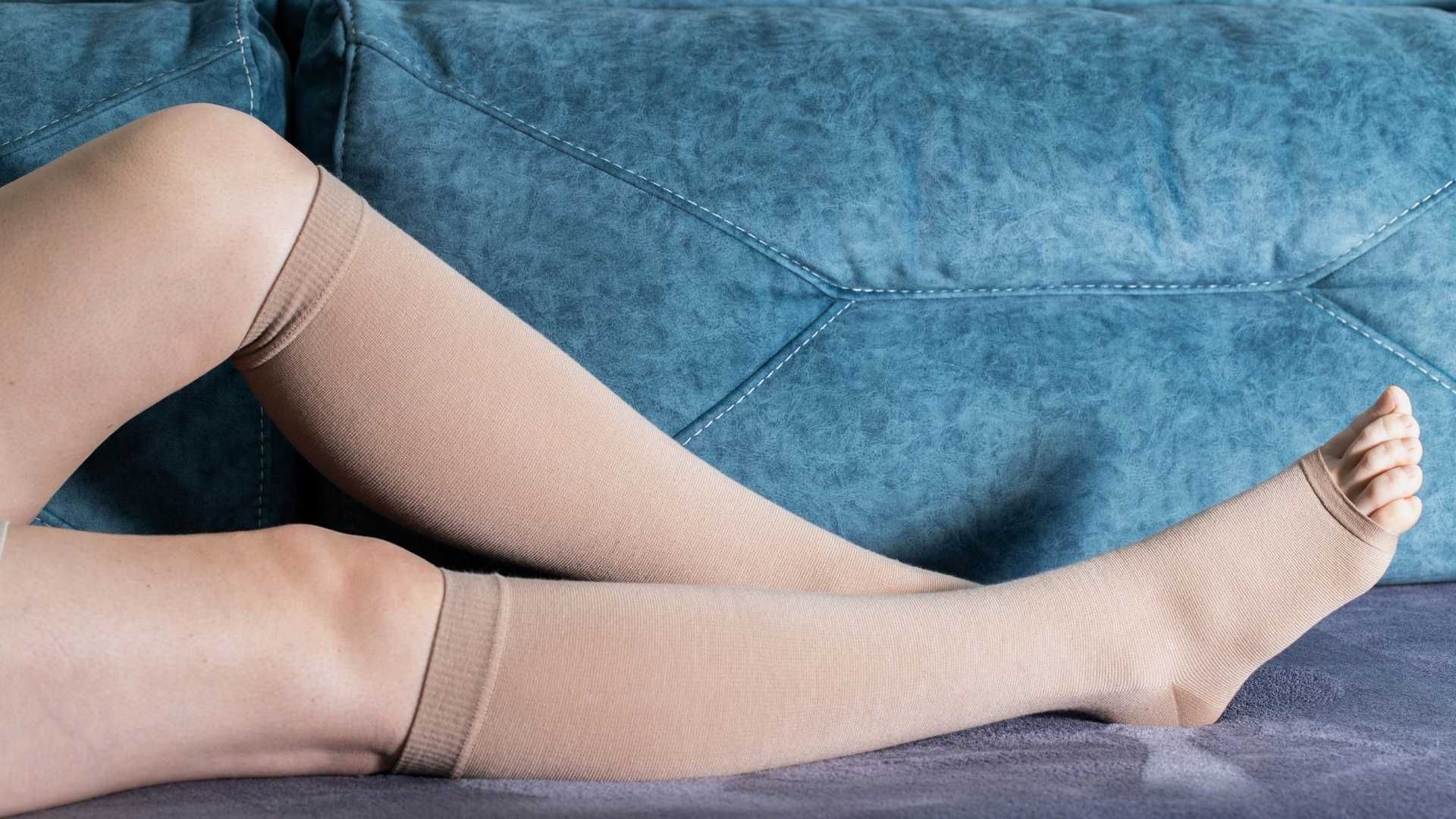
Purchase Compression Stockings: You'll need medical-grade compression stockings (typically 20-30 mmHg). Dr. Ziporin's office can help you obtain properly fitted stockings before your procedure date.
Plan Your Schedule: Most patients take 1-2 days off work, though some return the same day for desk jobs. Plan accordingly based on your occupation and physical demands.
The Day Before
Eat and Drink Normally: Unlike surgery requiring general anesthesia, you can eat and drink normally before RFA. Some patients prefer a light meal before the appointment.
Wear Comfortable Clothing: Choose loose-fitting pants or a skirt that provides easy access to your leg. You'll walk immediately after the procedure, so wear comfortable shoes.
Stay Hydrated: Good hydration supports healing. Drink plenty of water the day before your procedure.
Day of Procedure
Arrive on Time: Arrive at the scheduled time. The appointment will likely take 1 to 1 ½ hours total, including preparation and post-procedure instructions.
Bring Your Compression Stockings: You'll put these on immediately after the procedure.
Have Questions Ready: Write down any last-minute questions. Dr. Ziporin will review the procedure and address concerns before beginning.
Step-by-Step: What Happens During RFA
Understanding the radiofrequency ablation procedure steps removes anxiety about the unknown. Here's exactly what happens:
Step 1: Preparation and Mapping (15-20 minutes)
Positioning: You'll lie on the treatment table, positioned to allow optimal access to the vein being treated.
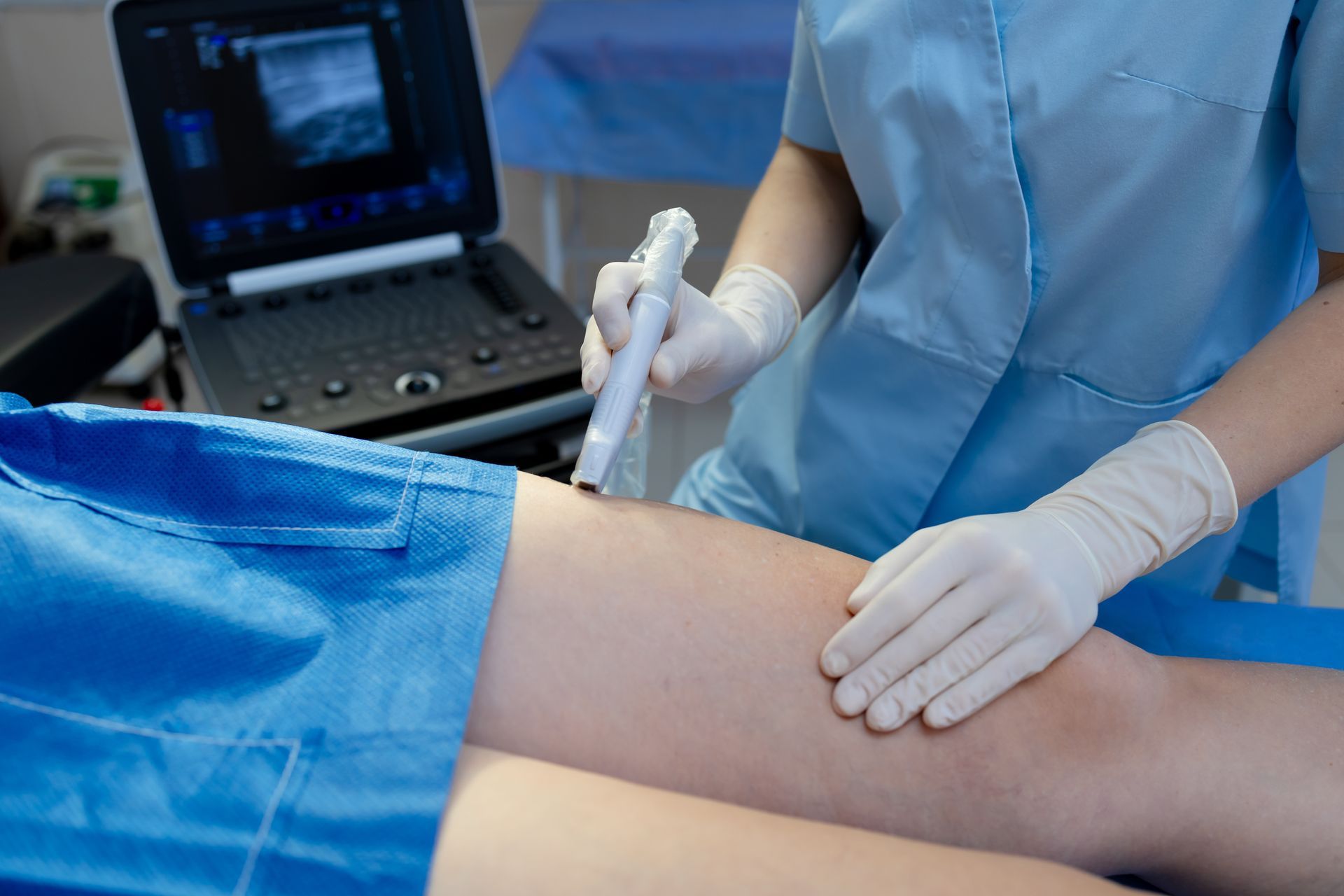
Ultrasound Mapping: Using ultrasound, Dr. Ziporin maps the exact course of the problematic vein, identifying the optimal entry point and treatment length. This real-time imaging ensures precision throughout the procedure.
Marking: Your leg may be marked to indicate the vein's path and important anatomical landmarks.
Step 2: Anesthesia (10-15 minutes)
Local Anesthetic: The entry site receives local anesthetic—a small pinch followed by numbness. This is typically the only discomfort you'll feel.
Tumescent Anesthesia: Using ultrasound guidance, Dr. Ziporin injects numbing solution around the vein being treated. This:
- Provides pain relief throughout the procedure
- Protects surrounding tissues from heat
- Compresses the vein for optimal treatment
- Creates a buffer zone around the vein
You'll feel pressure and cool sensations as the fluid is injected, but no pain. Some patients describe it as feeling like their leg is being inflated slightly.
Step 3: Catheter Placement (5 minutes)
Access: A tiny incision (about the size of a grain of rice) is made at the entry point.
Catheter Insertion: A thin catheter is threaded through the small opening and advanced up the vein to the treatment starting point. You won't feel the catheter moving inside the vein.
Ultrasound Guidance: Every step is visualized with ultrasound, ensuring precise catheter positioning.
Step 4: Ablation (15-20 minutes)
Energy Delivery: The radiofrequency catheter delivers controlled heat energy as it's slowly withdrawn. The heat damages the vein wall, causing it to collapse and seal.
What You Feel: Most patients feel nothing due to the tumescent anesthesia. Some describe mild warmth or gentle tugging sensations. Pain during this step is rare with proper anesthesia.
Monitoring: Dr. Ziporin continuously monitors the treatment with ultrasound, ensuring complete vein closure along the entire treatment length.
Duration: The actual ablation takes 15-20 minutes depending on the length of vein being treated.
Step 5: Completion (5-10 minutes)
Catheter Removal: The catheter is withdrawn completely.
Closure: The tiny entry site requires no stitches—a simple adhesive bandage covers it.
Compression: A compression bandage is applied over the treated vein.
Stocking Application: You'll put on your compression stocking before standing.
Step 6: Recovery and Discharge (15-20 minutes)
Immediate Walking: You'll walk for 10-15 minutes before leaving. This immediate activity is important for optimal outcomes.
Instructions: You'll receive detailed post-procedure care instructions, including activity guidelines and what to expect over the next few days.
Questions: Any remaining questions are addressed before you leave.
Discharge: You walk out of the office and go home. No wheelchair, no hospital stay, no general anesthesia hangover.
What You'll Actually Feel During the Procedure
Let's be honest about sensations during RFA treatment:
Initial Numbing: A pinch and brief sting when local anesthetic is injected. Similar to novocaine at the dentist.
Tumescent Injection: Pressure and coolness as fluid surrounds the vein. Some describe it as the most unusual sensation of the procedure, but not painful.
Catheter Placement: Usually nothing. The vein itself has no pain receptors.
Ablation: Typically nothing, though some patients feel mild warmth or gentle tugging. If you feel actual pain, tell Dr. Ziporin immediately—additional anesthetic can be administered.
Overall: Most patients are surprised by how uneventful the experience is. Many read articles, watch videos on phones, or chat with staff during the procedure.
Anxiety vs. Pain: Anxiety is normal, but actual pain during modern RFA is rare. The tumescent anesthesia technique has made these procedures remarkably comfortable.
Recovery Timeline: What to Expect Day by Day
RFA recovery time is impressively quick compared to traditional vein surgery. Here's a realistic timeline:
Day 1: Procedure Day
Immediately After:
- Walk 10-15 minutes before leaving
- Mild tightness or pulling sensation in the treated leg
- Able to perform normal walking and light activities
- Compression stocking remains on (including overnight)
First Evening:
- Leg may feel tight or slightly achy
- Over-the-counter pain relievers usually sufficient
- Elevate leg when resting
- Continue normal activities around the house
Sleep:
- Sleep with compression stocking on (as directed)
- Leg may feel unusual but typically not painful
- Many patients sleep normally
Days 2-3: Early Recovery
Physical Feelings:
- Mild soreness or tightness, like a muscle workout
- Possible bruising appearing around treatment area
- Minimal to no pain with normal walking
- Compression stocking can be removed for showering
Activity:
- Return to desk work and light activities
- Walk regularly (20-30 minutes daily recommended)
- Avoid strenuous exercise and heavy lifting
- Continue wearing compression stockings during the day
Edwards Altitude Consideration: At Edwards' 7,200-foot elevation, some patients experience slightly more swelling initially. Stay well-hydrated and don't push physical activity too aggressively in the first few days.
Days 4-7: Continued Improvement
Physical Feelings:
- Soreness diminishing
- Bruising may be visible but fading
- Treated area may feel like a firm cord under the skin (this is normal and temporary)
- Increasing comfort with movement
Activity:
- Resume most normal activities
- Light exercise permitted (walking, easy cycling)
- Avoid high-impact activities, heavy lifting
- Continue compression stockings as directed (typically 1-2 weeks total)
Weeks 2-4: Near-Complete Recovery
Physical Feelings:
- Most discomfort resolved
- Bruising nearly or completely gone
- Treated vein becoming less palpable as body absorbs it
- Increasing sense of normalcy
Activity:
- Resume all normal activities including exercise
- Return to hiking, skiing, and mountain activities (with Dr. Ziporin's clearance)
- Compression stockings typically discontinued after 1-2 weeks
- Full return to athletic activities around 2-4 weeks
Months 2-6: Complete Healing
Physical Changes:
- Treated vein completely absorbed by body
- Full cosmetic improvement visible
- Any remaining spider veins or small varicose veins can be addressed with sclerotherapy
- Maximum symptom relief achieved
Follow-Up:
- Ultrasound evaluation confirms successful vein closure
- Assessment of remaining veins if multi-stage treatment is needed
- Long-term management plan discussion
Managing Common Recovery Experiences
Understanding normal recovery sensations versus concerning symptoms helps you recover confidently.
Normal Experiences
Bruising: Expect some bruising along the treated vein path. This is normal and fades over 1-3 weeks.
Tightness: The treated area may feel tight or like there's a cord under your skin. This is the collapsed vein and resolves as your body absorbs it.
Skin Sensitivity: Mild numbness or altered sensation near the treatment site is common and typically temporary.
Visible Bumps: Small bumps or irregularities along the vein path are normal as the vein is absorbed. These smooth out over time.
Mild Swelling: Some swelling, especially in mountain environments, is expected and improves with compression and elevation.
When to Contact Dr. Ziporin
While complications are rare, contact the office if you experience:
Signs of Infection:
- Increasing redness spreading from the incision site
- Warmth and tenderness that's worsening, not improving
- Fever over 101°F
- Pus or unusual drainage
Concerning Circulation Issues:
- Severe pain that's not controlled with over-the-counter medication
- Significant swelling that's rapidly increasing
- Coldness or color changes in the foot or toes
- Shortness of breath or chest pain (could indicate rare clot complication)
Unexpected Symptoms:
- Severe pain that seems disproportionate
- Rash or allergic reaction
- Any symptoms that worry you
Optimizing Your Recovery
RFA aftercare following these guidelines promotes the fastest, most comfortable healing:
Activity Balance
Do Walk Regularly:
- Start the day of procedure
- Aim for 20-30 minutes daily
- Increases to 30-60 minutes by week two
- Walking promotes healing and prevents clots
Don't Overdo It:
- Avoid running, jumping, heavy lifting for 1-2 weeks
- No hot yoga, saunas, or hot tubs for 2 weeks
- Gradually return to mountain sports with medical clearance
- Listen to your body—rest when needed
Compression Compliance
Wear as Directed:
- Typically 24 hours for the first 2-3 days
- Then during waking hours for 1-2 weeks total
- Compliance significantly impacts results
Removal Allowed For:
- Showering (after first 24 hours)
- Bathing (after first 48 hours)
- Sleeping (after first few nights, per instructions)
Elevation and Ice
Elevation:
- Elevate legs when resting
- Especially important first few days
- Helps reduce swelling and discomfort
Ice:
- Can apply ice packs over compression for comfort
- 20 minutes on, 20 minutes off
- Particularly helpful first 48 hours
Hydration Matters
Extra Important at Altitude: Edwards' elevation means you need extra hydration for healing. Aim for:
- 8-10 glasses of water daily
- More if exercising or in hot weather
- Proper hydration supports vein healing and prevents clots
Medication Management
Pain Relief:
- Over-the-counter acetaminophen or ibuprofen usually sufficient
- Take as directed on packaging
- Prescription pain medication rarely needed
Blood Thinners:
- Resume per Dr. Ziporin's instructions
- Timing depends on your specific medications
- Never restart without medical guidance
Risks and Complications: Realistic Perspective
No medical procedure is risk-free. Understanding radiofrequency ablation risks helps you make informed decisions and recognize problems early if they occur.
Common, Minor Issues (5-20% of patients)
Bruising and Discoloration:
- Very common, not concerning
- Resolves naturally over 2-4 weeks
Temporary Numbness:
- Superficial nerve sensation changes
- Usually resolves in weeks to months
- Rarely permanent
Skin Staining:
- Brown discoloration along vein path
- More common with certain skin types
- Fades over months, occasionally permanent
Phlebitis:
- Inflammation of treated vein
- Causes tenderness and firmness
- Managed with anti-inflammatories
- Resolves in 2-4 weeks
Rare but Serious Complications (<1% of patients)
Deep Vein Thrombosis (DVT):
- Blood clot in deep vein system
- Risk minimized by immediate walking and compression
- Requires blood thinners if occurs
Nerve Damage:
- Rare with modern techniques
- Usually temporary if occurs
- Permanent damage extremely rare
Skin Burns:
- Very rare with proper tumescent anesthesia
- Modern temperature monitoring prevents this
Infection:
- Rare due to minimally invasive technique
- Treatable with antibiotics if occurs
Risk Minimization
Dr. Ziporin minimizes risks through:
- Ultrasound guidance throughout procedure
- Proper tumescent anesthesia technique
- Temperature monitoring
- Immediate post-procedure walking
- Appropriate patient selection
- Detailed aftercare instructions
Your own compliance with instructions—especially compression, walking, and activity guidelines—significantly impacts complication risk.
Life After RFA: Long-Term Outcomes
Understanding long-term RFA results helps set appropriate expectations:
Success Rates
Research consistently shows:
- 95-98% vein closure rates at 1 year
- Sustained closure in 85-90% at 5 years
- Symptom improvement in 90%+ of patients
- High satisfaction rates
Symptom Relief
Most patients experience:
- Significant reduction in leg heaviness and aching
- Decreased swelling
- Improved sleep (less nighttime leg cramping)
- Enhanced exercise capacity
- Better quality of life
Relief is often noticeable within days to weeks, with maximum benefit by 2-3 months.
Cosmetic Results
Treated varicose veins:
- Gradually fade over 3-6 months
- Eventually become invisible
- Remaining spider veins can be treated with sclerotherapy
Final cosmetic results are typically excellent, though perfection isn't guaranteed.
Can Varicose Veins Return?
Treated veins don't reopen, but:
- New veins can develop over time
- Genetic predisposition remains
- Lifestyle factors still influence vein health
- Some patients need future treatments for new veins
Think of RFA as treating current problems while understanding that prevention continues long-term.
Special Considerations for Mountain Living
Vein treatment at altitude in Edwards requires specific considerations:
Altitude Effects on Recovery
Increased Swelling:
- Altitude can increase initial swelling
- Extra compression compliance helps
- Elevation and hydration more important
Healing Timeline:
- Might be slightly slower at altitude
- Most patients don't notice significant differences
- Extra rest days may benefit some patients
Return to Mountain Activities
Skiing:
- Light skiing: 2-3 weeks post-procedure
- Aggressive skiing: 4-6 weeks
- Compression stockings under ski socks helpful initially
Hiking:
- Easy trails: 1-2 weeks
- Strenuous hiking: 3-4 weeks
- High altitude hikes: 4-6 weeks
Mountain Biking:
- Easy trails: 2-3 weeks
- Technical riding: 4-6 weeks
- Listen to your body
Always get Dr. Ziporin's clearance before resuming strenuous mountain sports.
Why Choose Ascent Vascular
Dr. Scott Ziporin brings specialized vascular expertise to Colorado's mountain communities. Ascent Vascular offers:
Expertise: Dr. Ziporin's vascular surgery specialty ensures you're receiving care from a true expert, not a generalist performing vein procedures as a sideline.
Advanced Technology: State-of-the-art radiofrequency equipment and ultrasound guidance for optimal outcomes.
Mountain Understanding: Experience treating active patients in high-altitude environments with unique recovery considerations.
Comprehensive Care: From initial evaluation through complete recovery and long-term management.
Convenient Location: Edwards office serves Vail Valley communities without traveling to Front Range cities.
Patient-Centered Approach: Detailed education, personalized treatment plans, and ongoing support throughout your vein care journey.
FAQs About Radiofrequency Ablation
Q: How long does the RFA procedure take?
A: The procedure itself typically takes 45-60 minutes. Including preparation and post-procedure instructions, plan for 1.5-2 hours at the office.
Q: Will I be asleep during the procedure?
A: No, RFA uses local anesthesia only. You're awake but comfortable throughout. Many patients prefer this to general anesthesia risks and recovery.
Q: When can I shower after RFA?
A: You can shower 24 hours after the procedure. Keep the entry site covered with waterproof bandage for the first few days.
Q: How soon can I return to work?
A: Most patients with desk jobs return in 1-2 days. Jobs requiring prolonged standing or heavy lifting may need 3-5 days off.
Q: Does RFA hurt?
A: Most patients report minimal discomfort during the procedure due to excellent local anesthesia. Post-procedure soreness is typically mild and well-controlled with over-the-counter pain relievers.
Q: Is radiofrequency ablation covered by insurance?
A: RFA is usually covered when performed for medical reasons (symptomatic varicose veins, venous insufficiency). Our office can verify your specific coverage before scheduling.
FAQs About Ascent Vascular
Q: Where is Ascent Vascular located?
A: We're located at 1140 Edwards Village Blvd. B204, Edwards, CO 81632, conveniently serving the Vail Valley and surrounding mountain communities.
Q: How do I schedule a consultation with Dr. Ziporin?
A: Call (970) 926-1003 to schedule an evaluation. We'll assess your vein health and discuss whether RFA or other treatments are appropriate.
Q: What should I bring to my consultation?
A: Bring a list of current medications, previous vein treatments if any, and any questions you have about the procedure and recovery.
Q: Do you treat patients from out of the area?
A: Yes, we welcome patients from throughout Colorado and beyond. We can coordinate care to minimize travel requirements.
Q: What other vein treatments does Dr. Ziporin offer?
A: In addition to RFA, we provide sclerotherapy, ambulatory phlebectomy, and comprehensive management of all venous conditions.
Q: How experienced is Dr. Ziporin with RFA?
A: Dr. Ziporin is a board-certified vascular surgeon with extensive experience performing radiofrequency ablation and other advanced vein treatments.
Ready to eliminate your varicose veins and reclaim your active mountain lifestyle? Contact Ascent Vascular today at
(970) 926-1003 to schedule your consultation with Dr. Scott Ziporin. Learn how radiofrequency ablation can provide lasting relief with minimal downtime. Visit www.ascentvascular.com for more information about our vein treatment services in Edwards, Colorado.