How Cold Weather Affects Your Circulation
How Cold Weather Affects Your Circulation (And What You Can Do About It)
Ah, winter—cozy sweaters, hot cocoa, and that bracing chill in the air. But while snowball fights and snug scarves may be fun, cold weather isn't always kind to your body, especially when it comes to circulation. If your fingers and toes start feeling like tiny icicles or your legs ache after a chilly stroll, you’re not alone. Let’s dive into why winter can make your circulation work overtime and what you can do to keep your blood flowing smoothly this season.
What Does Cold Weather Do to Your Circulation?
When the temperature drops, your body kicks into survival mode, narrowing blood vessels near the skin's surface to keep your core warm. This process, called
vasoconstriction, reduces blood flow to your extremities (hands, feet, nose, and ears), making them feel cold, numb, or even tingly.
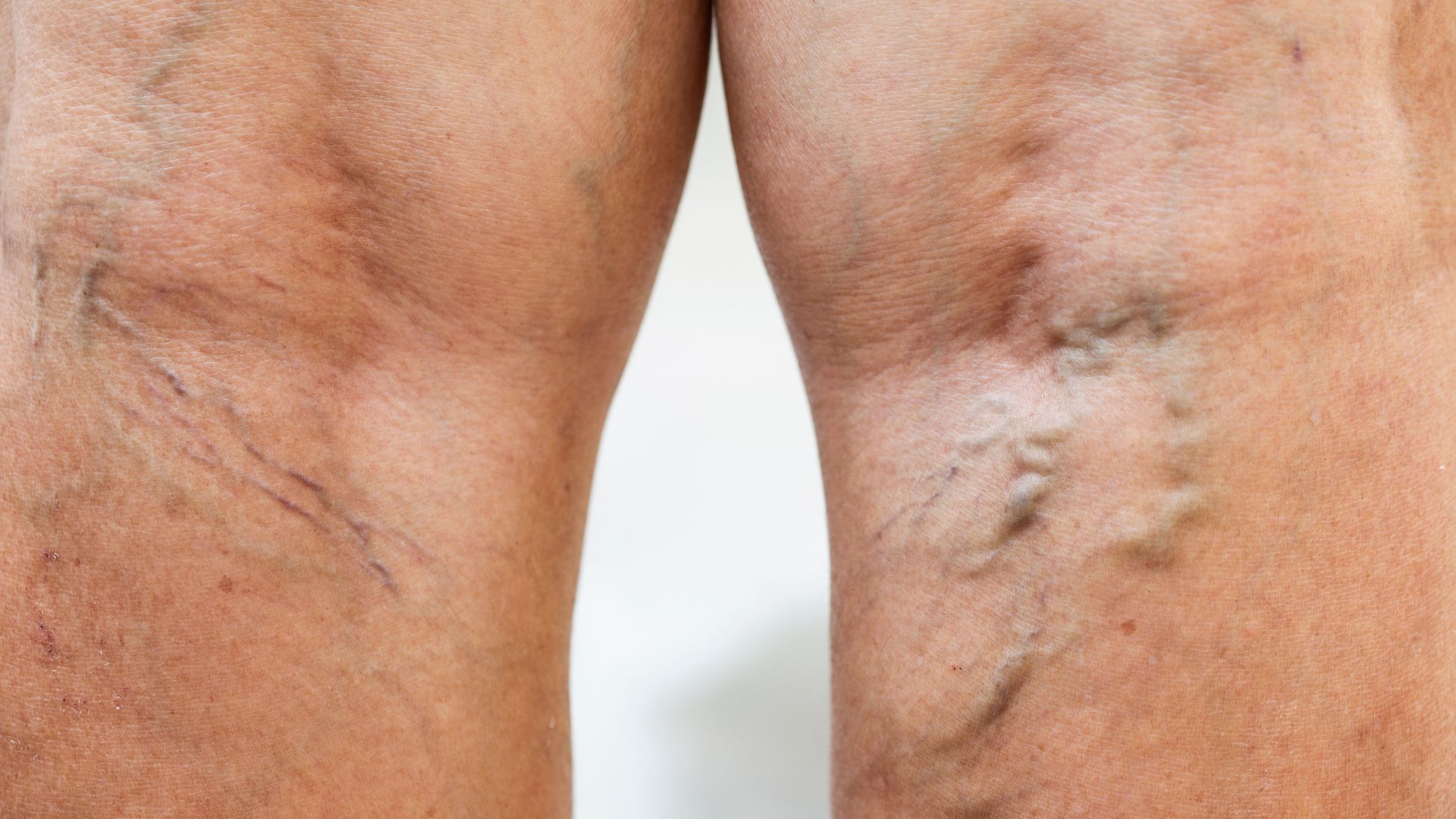
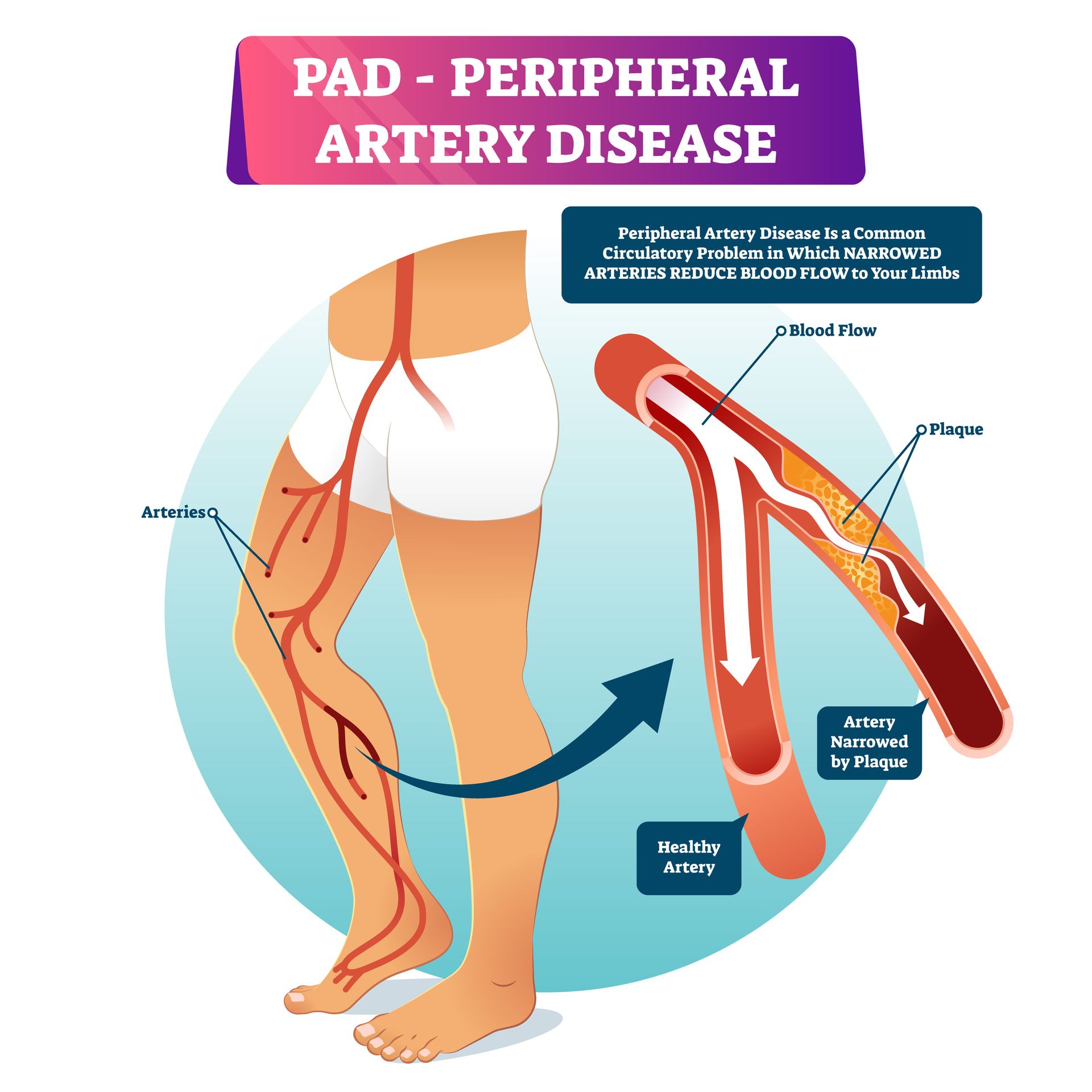
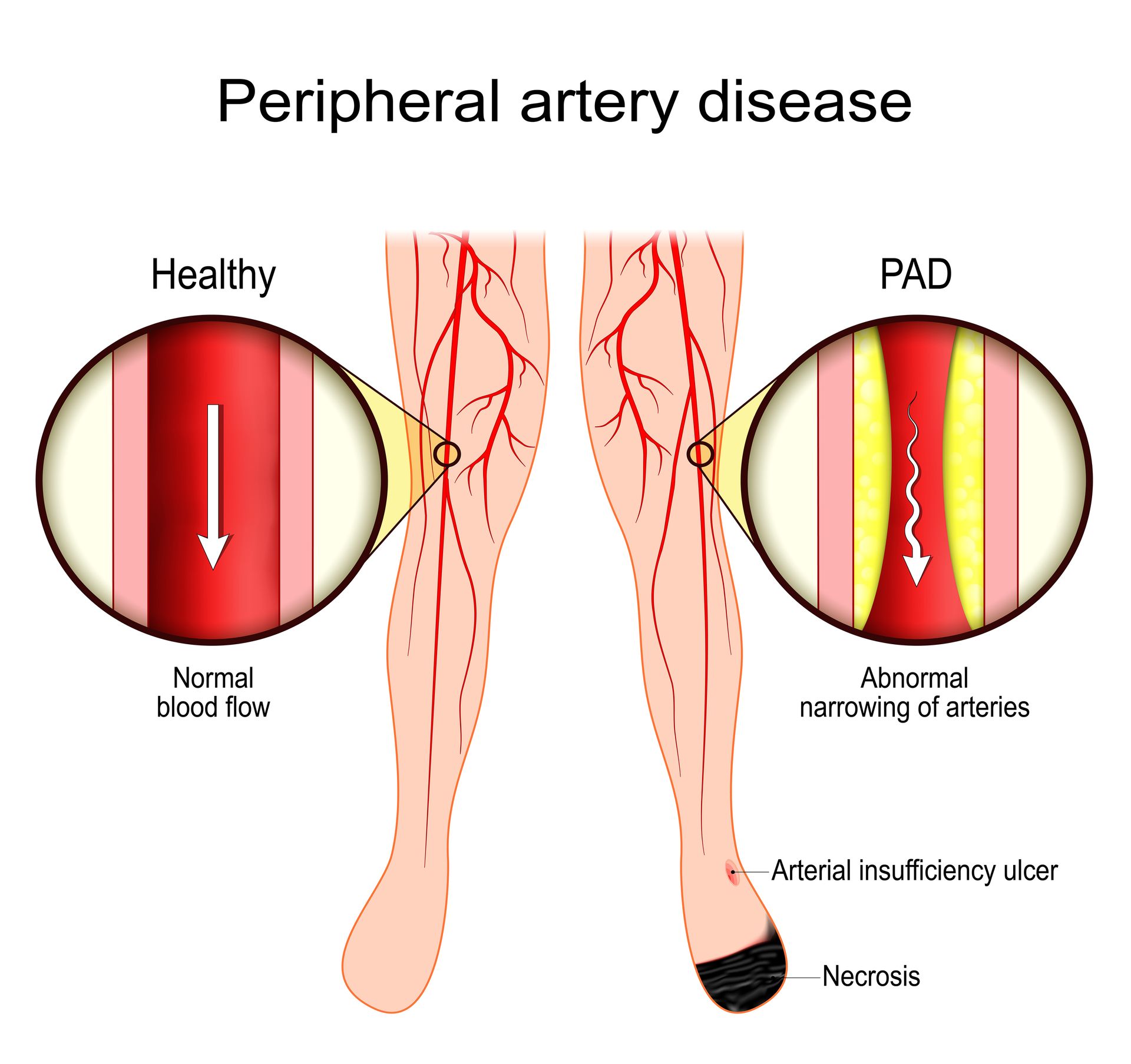
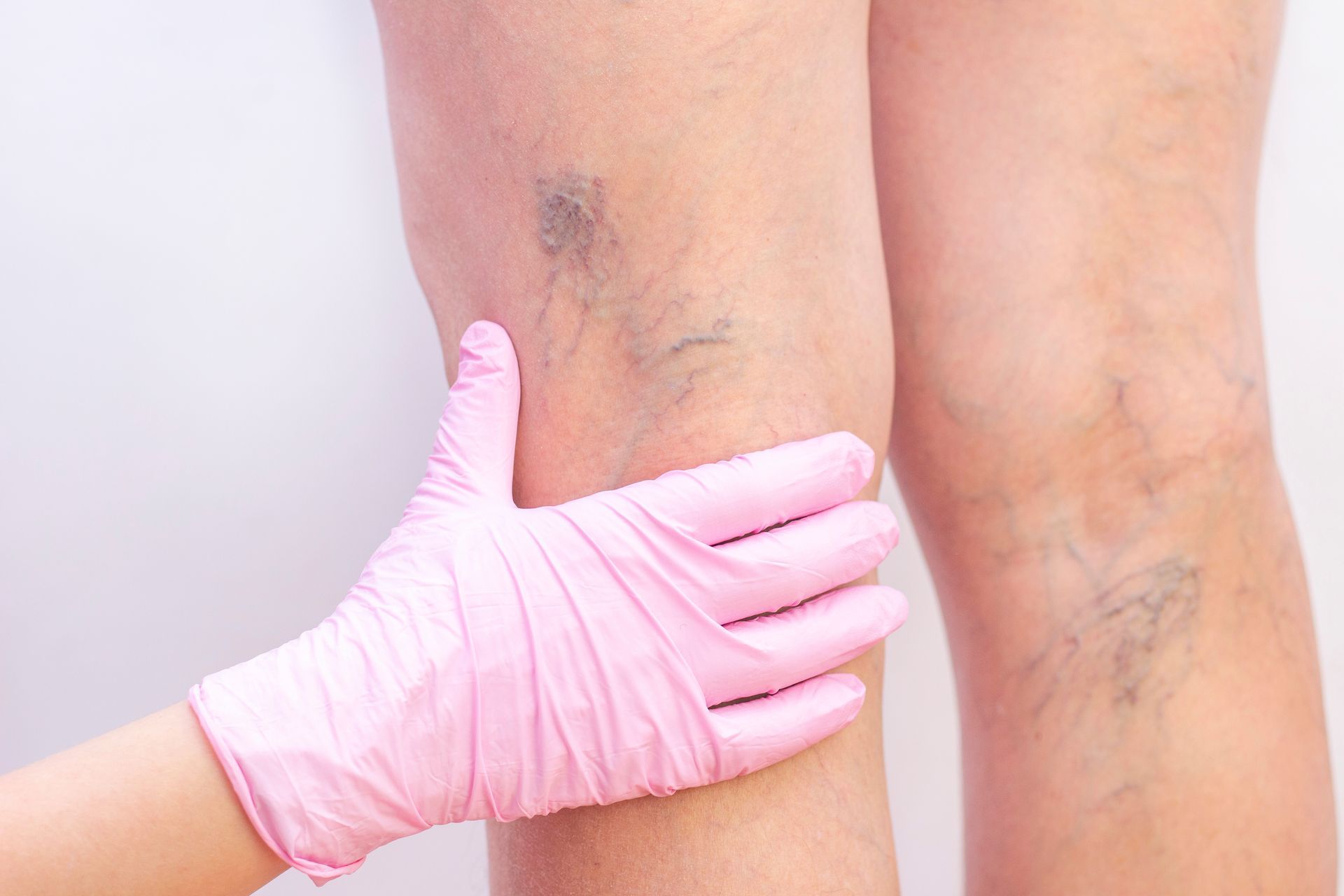
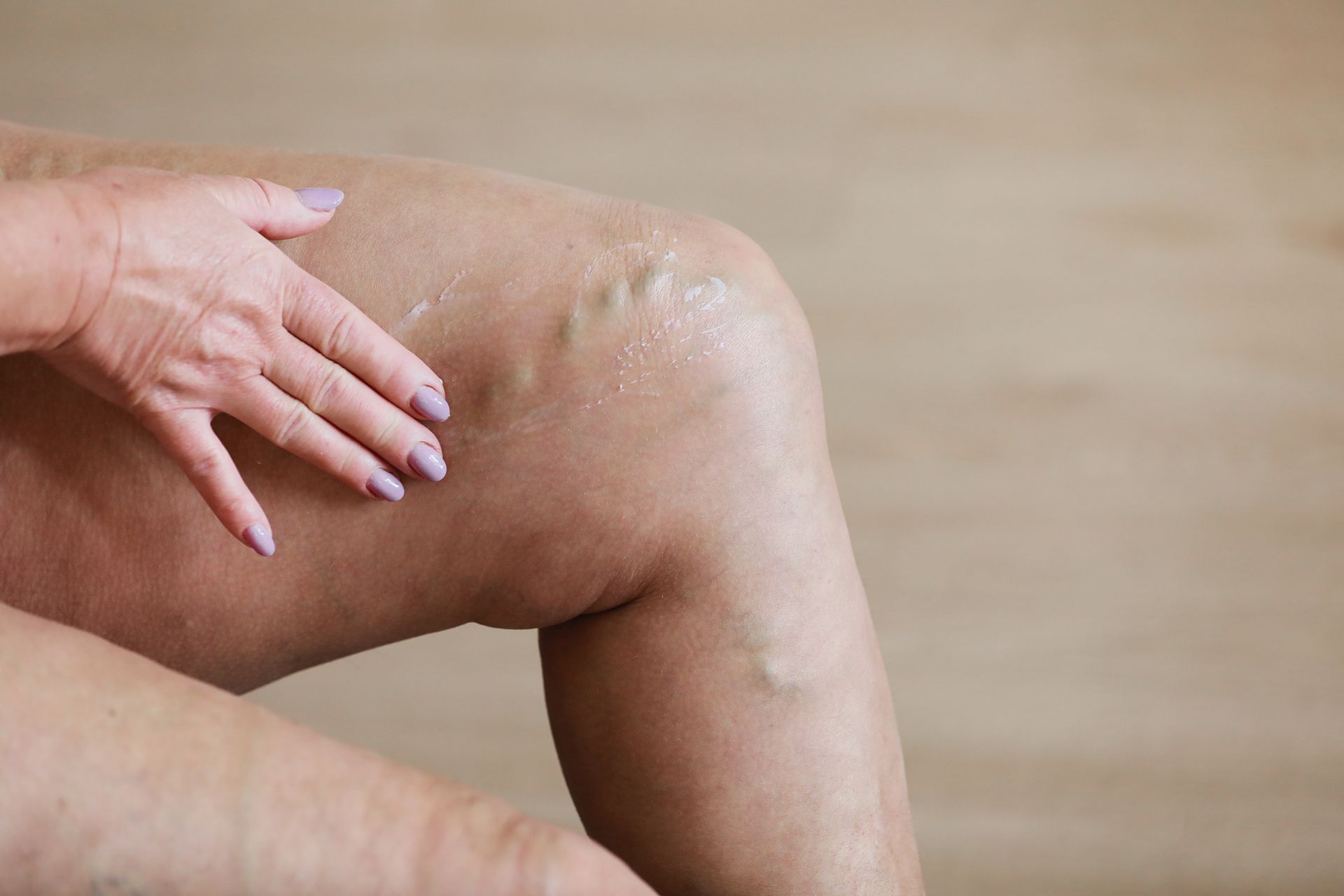
If you already have circulation issues, like peripheral artery disease (PAD) or chronic venous insufficiency (CVI), winter can be especially tough. Cold weather increases your blood pressure, which can put more strain on your heart and blood vessels. Plus, the reduced blood flow can make symptoms like pain, swelling, or cramping worse.
Signs Your Circulation May Be Struggling This Winter
Are you noticing any of these symptoms? They might be signs your circulation needs a little TLC:
- Cold hands and feet (even when indoors)
- Numbness or tingling in your extremities
- Leg pain or cramping, especially when walking
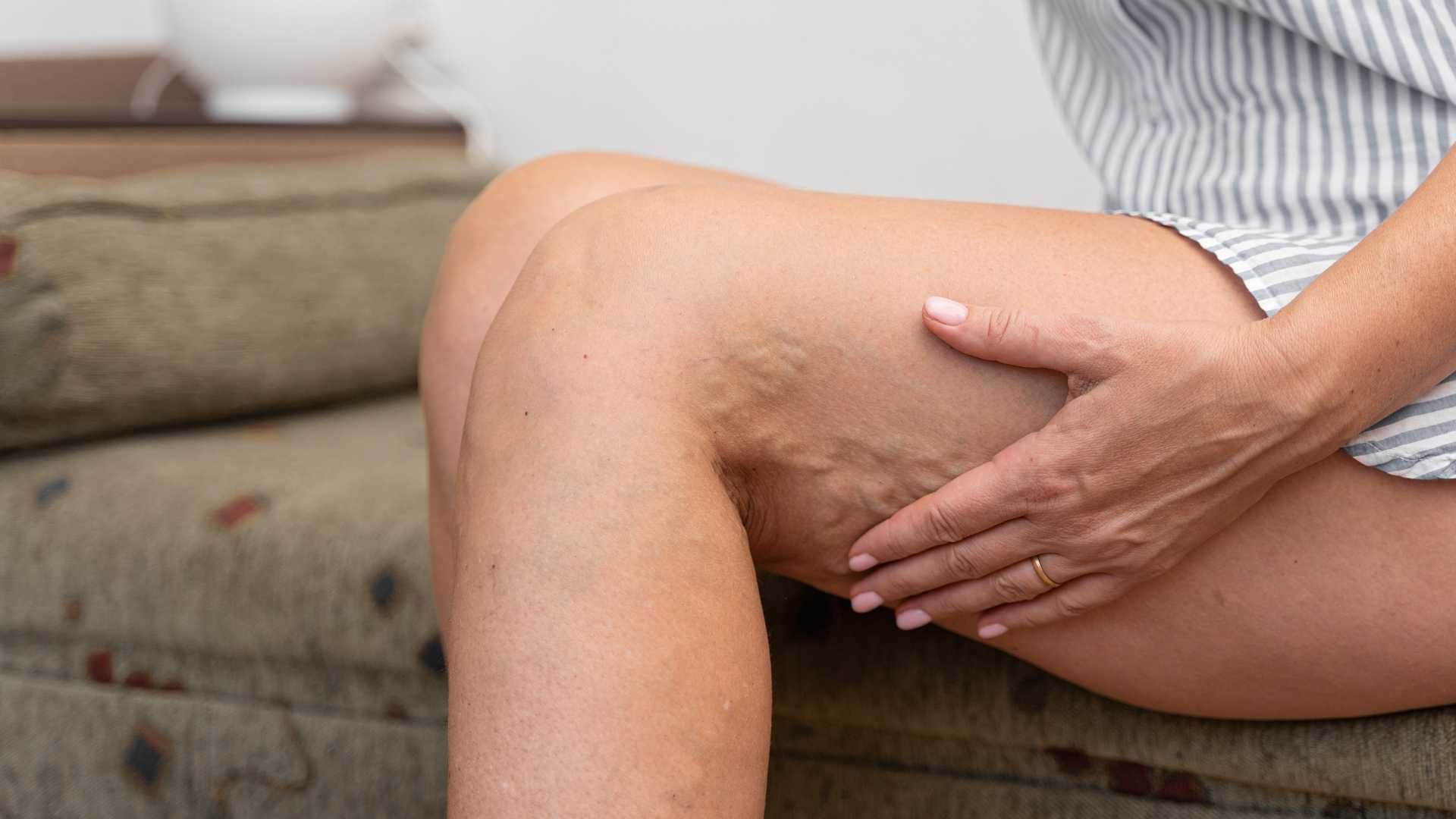
- Swelling in your legs or feet
- Skin color changes, like pale or bluish fingers and toes
If any of these sound familiar, don’t brush them off. Poor circulation can lead to more serious health issues if left unchecked.
How to Keep Your Circulation Flowing in Cold Weather
Ready to give your circulation a winter boost? Here are some fun, practical tips to keep the blood pumping from your head to your toes:
1. Layer Up (But Don’t Overdo It)
Bundle up in warm, breathable layers to keep your body temperature steady. Pro tip: Wool socks and gloves can do wonders for chilly fingers and toes!
2. Stay Active
Yes, it’s tempting to hibernate, but even light exercise can work wonders for your circulation. Try a brisk walk, yoga, or dancing around your living room to your favorite playlist.
3. Sip on Warm Drinks
A hot cup of tea or cocoa isn’t just comforting—it can help dilate blood vessels, improving circulation. Plus, staying hydrated is key!
4. Elevate Your Legs
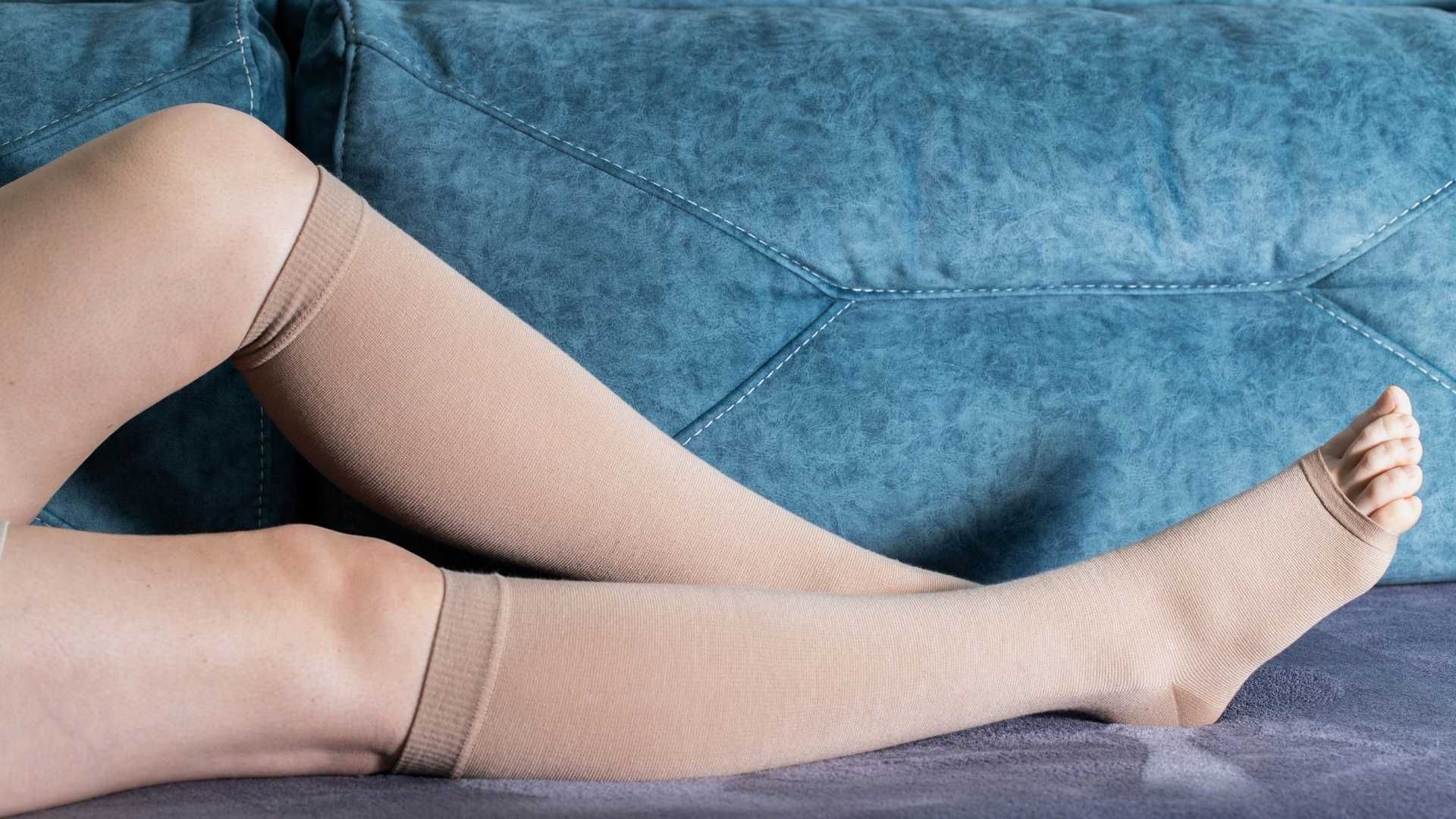
If swelling is an issue, try propping up your legs with a pillow while relaxing. It helps blood flow back to your heart more easily.
5. Get Regular Check-Ups
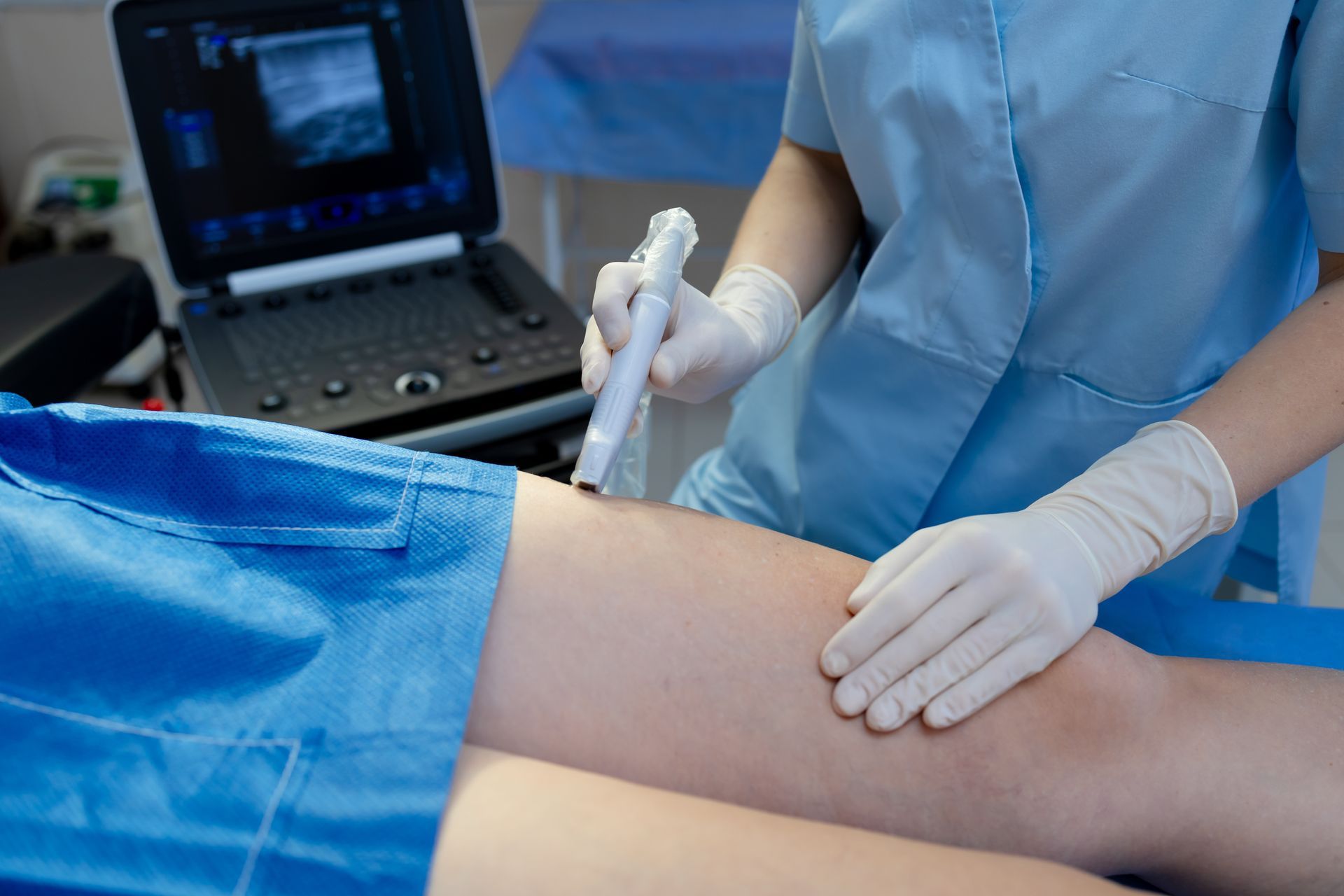
If you have a history of circulation issues, now’s the time to visit your vascular specialist. They can check for underlying conditions and recommend treatments to keep you healthy all winter long.
When to See a Specialist
Sometimes, poor circulation is more than just a winter inconvenience—it can signal a serious health problem. If you’re dealing with persistent pain, discoloration, or swelling, don’t wait to get it checked out. At Ascent Vascular Specialist, our team is here to help you tackle circulation issues with expert care and personalized solutions.
Warm Up to Better Circulation
Winter may be chilly, but your health doesn’t have to suffer. With a few smart habits and a little help from your vascular specialist, you can keep your circulation flowing and enjoy all the season has to offer.
If you’re concerned about your circulation, don’t hesitate to reach out to Ascent Vascular Specialist. Schedule a consultation today, and let’s get you back to feeling your best—no matter the weather!
Ready to take control of your circulation this winter? Contact us today and start your journey toward better vascular health!