Segmental Vein Stripping and Microphlebectomy
Say Goodbye to Bulging Veins: Your Guide to Segmental Vein Stripping and Microphlebectomy
Key Points
- Segmental vein stripping and microphlebectomy effectively remove problematic varicose veins
- These procedures are minimally invasive with shorter recovery times than traditional vein stripping
- Most patients experience immediate cosmetic improvement and symptom relief
- Procedures are typically performed under local anesthesia on an outpatient basis
- Dr. Scott Ziporin at Ascent Vascular specializes in advanced varicose vein treatments
- Recovery usually takes 1-2 weeks with most patients returning to normal activities quickly
- Long-term success rates are excellent when performed by experienced vascular surgeons
If you've been dealing with bulging, ropy varicose veins that make you self-conscious about wearing shorts or that ache after a long day on your feet, you've probably done some research on treatment options. And if you're reading this, you've likely come across terms like "segmental vein stripping" and "microphlebectomy."
These might sound intimidating, but here's the truth: they're actually some of the most effective ways to permanently get rid of problematic varicose veins. Let's break down what these procedures are, what to expect, and whether they might be right for you.
Understanding Varicose Veins: Why They Happen
Before we dive into the treatment, let's talk about what's actually going on with those bulging veins.
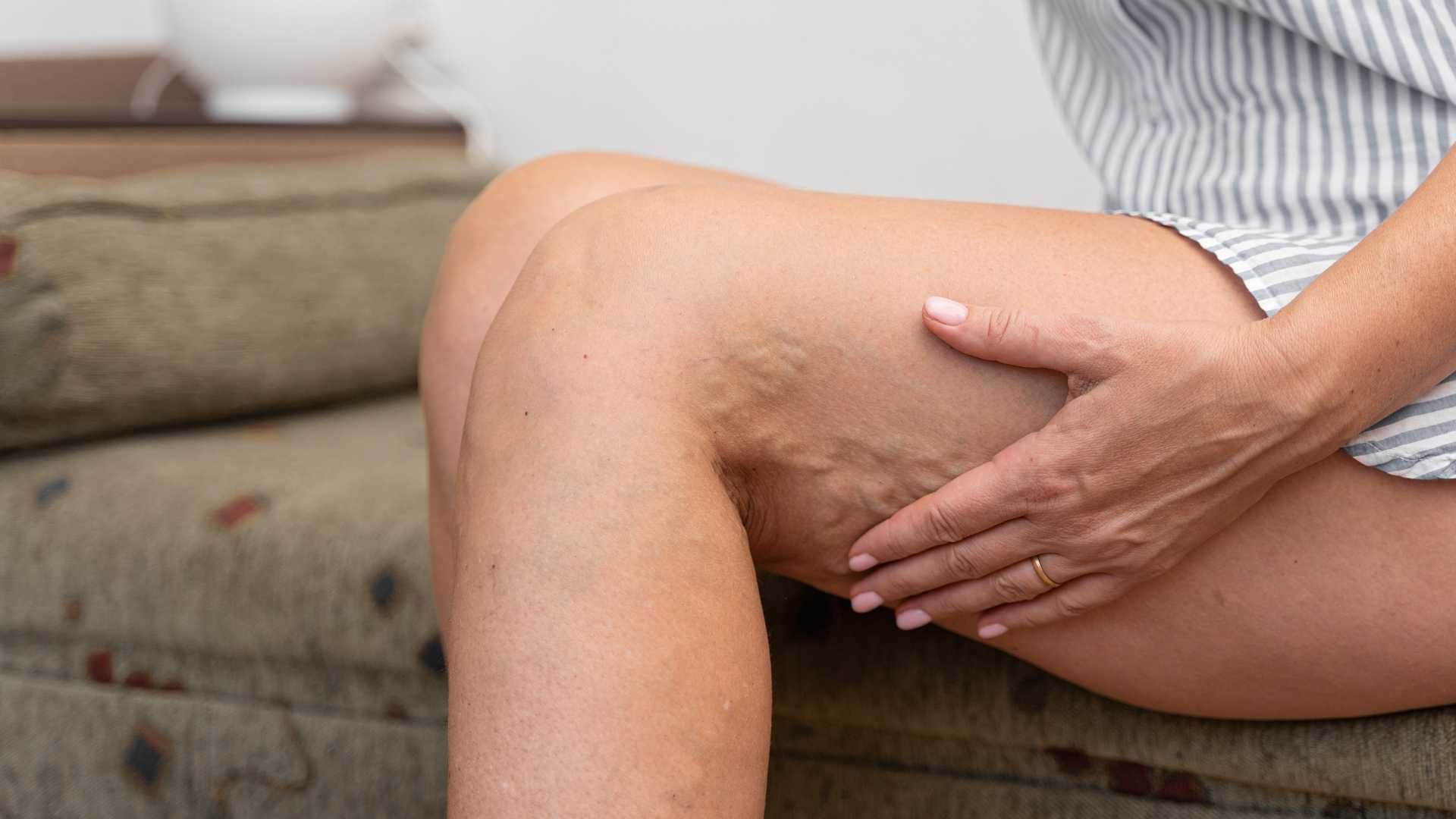
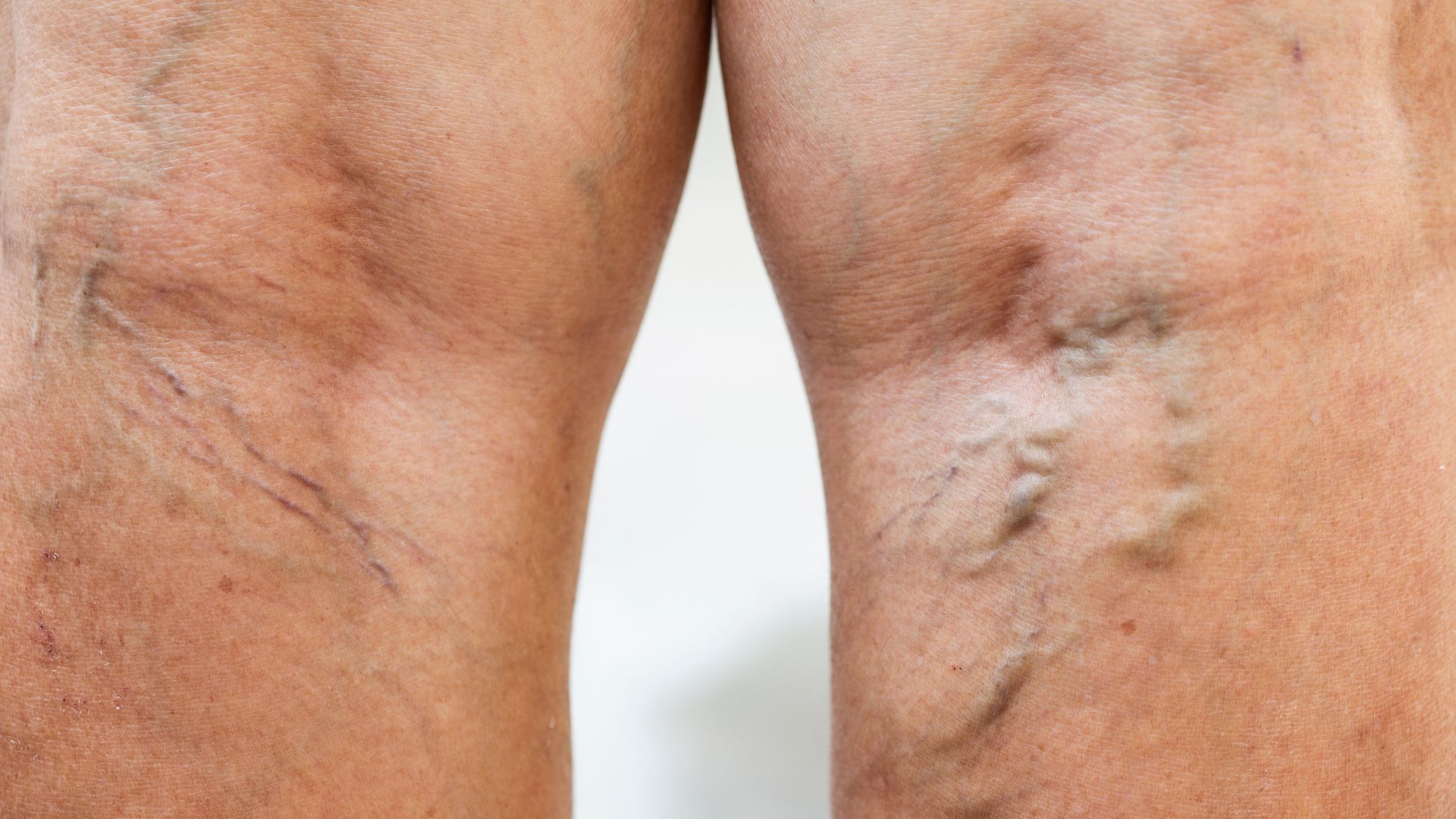
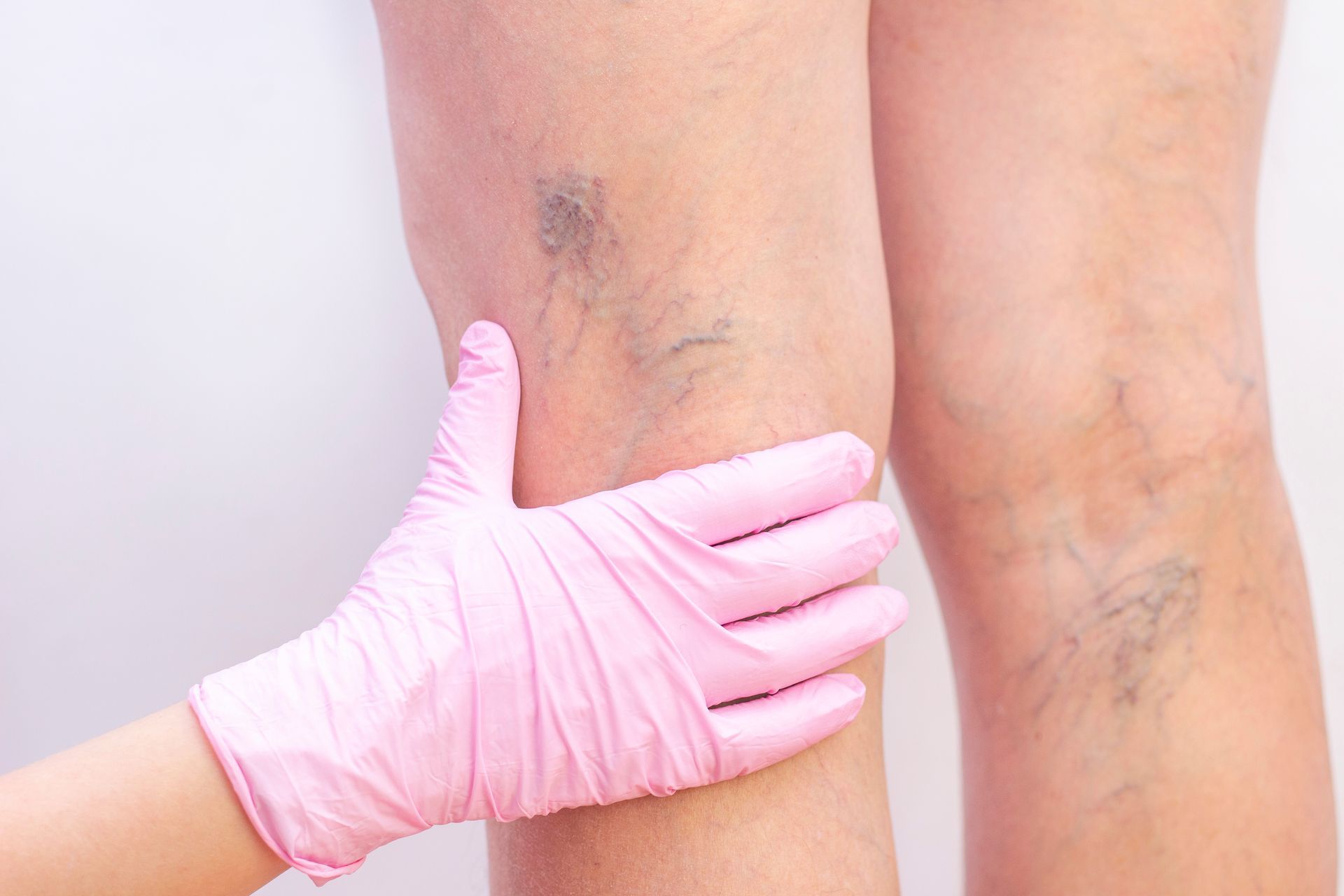
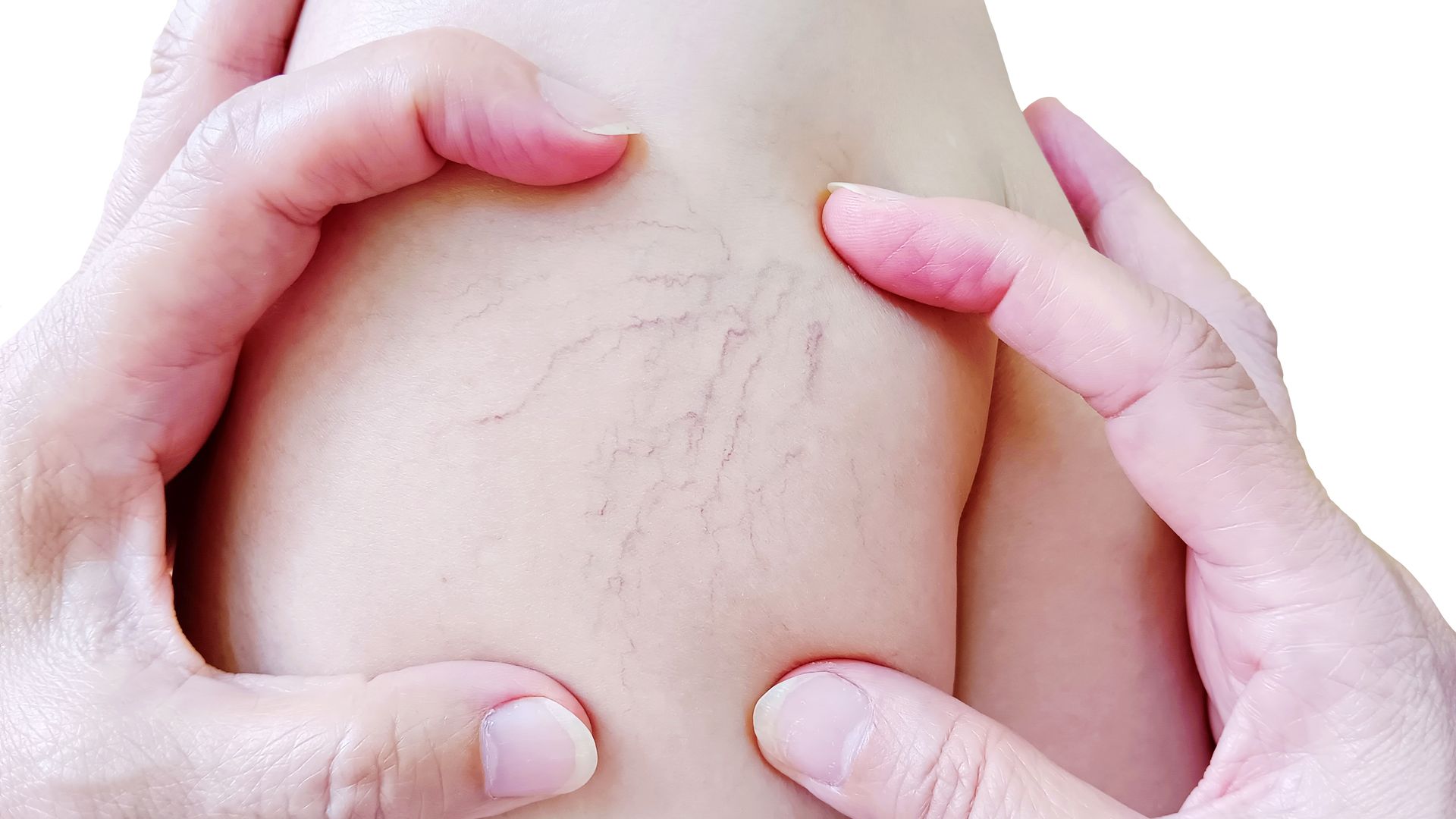
Varicose veins develop when the valves inside your veins stop working properly. Normally, these tiny valves act like one-way doors, keeping blood flowing toward your heart. When they fail, blood pools in the vein, causing it to swell, twist, and bulge under your skin.
Common symptoms include:
- Visible, rope-like veins on your legs
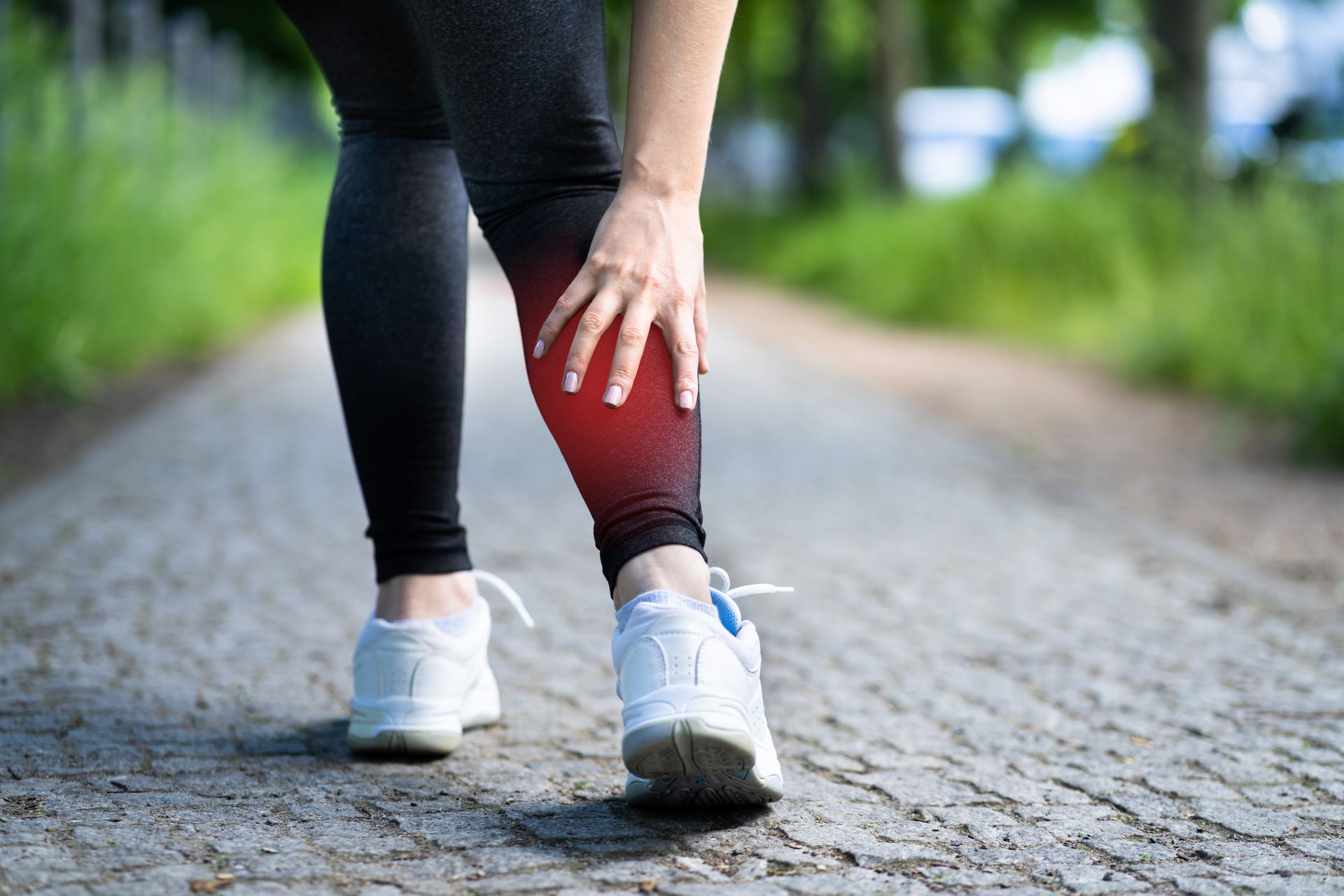
- Aching or heaviness in your legs
- Swelling in your ankles and feet
- Throbbing or cramping in your legs
- Itching around the affected veins
- Skin discoloration near the veins
- Symptoms that worsen after standing or sitting for long periods
If you're experiencing any of these symptoms, Ascent Vascular specializes in treating various vein conditions with advanced, minimally invasive techniques.
What Is Segmental Vein Stripping?
Let's start with the basics. Segmental vein stripping is a surgical procedure that removes a diseased section of a vein through small incisions. Notice we said "section," not the entire vein—this is an important distinction from older "full vein stripping" techniques.
How It's Different from Traditional Vein Stripping
Traditional vein stripping (which was common decades ago) involved removing the entire saphenous vein from groin to ankle. It was effective but quite invasive, painful, and required significant recovery time.
Segmental vein stripping is much more targeted. Your vascular surgeon removes only the problematic segments of vein, leaving healthy portions intact. This means:
- Smaller incisions
- Less tissue trauma
- Faster recovery
- Reduced post-procedure discomfort
- Better cosmetic outcomes
When Is Segmental Vein Stripping Recommended?
This procedure works best for:
- Larger varicose veins that don't respond to less invasive treatments
- Veins that are too twisted or tortuous for catheter-based procedures
- Superficial veins close to the skin surface
- Recurrent varicose veins after previous treatments
- Cases where the main trunk of the saphenous vein is diseased
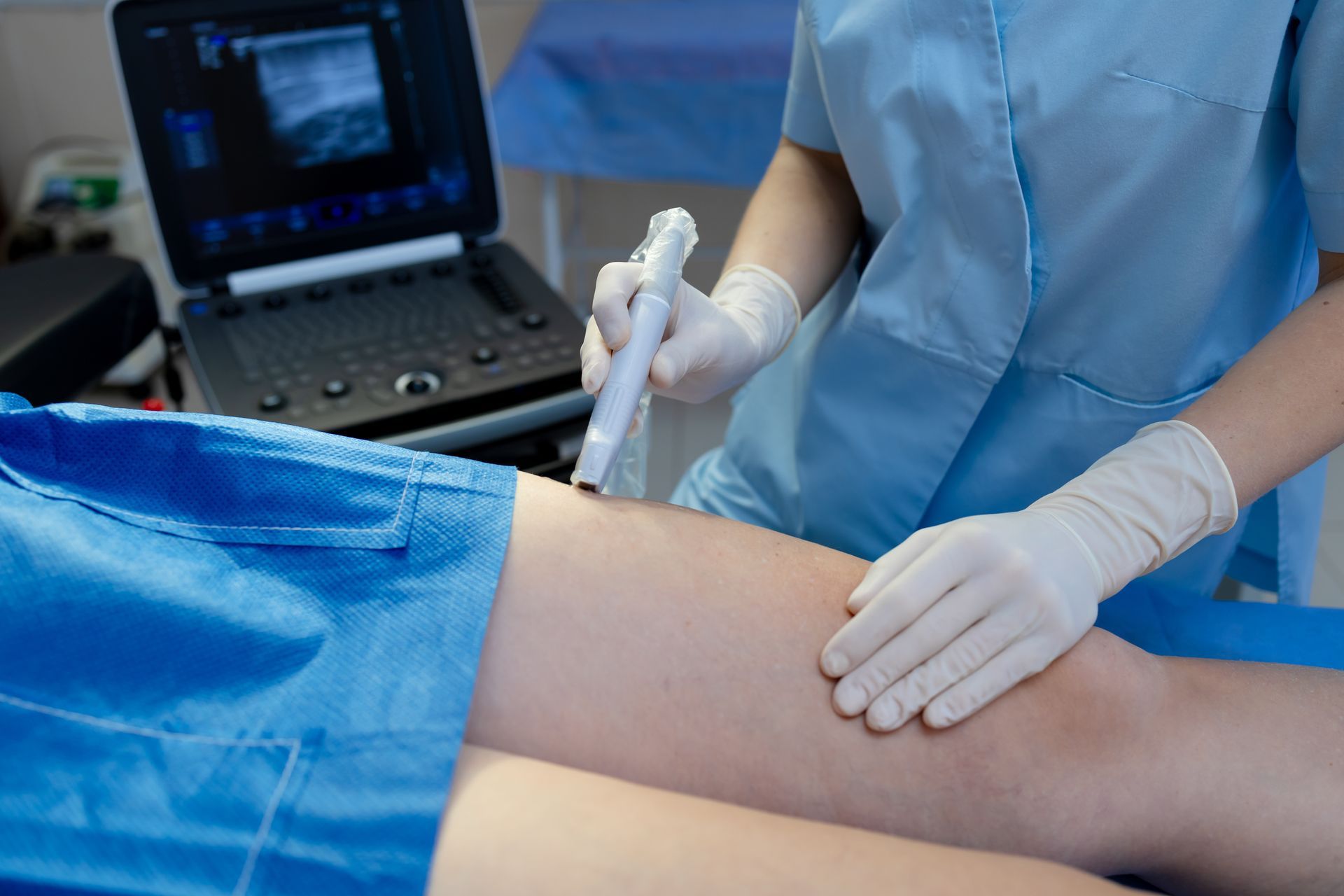
Dr. Scott Ziporin at Ascent Vascular will evaluate your specific situation using advanced ultrasound imaging to determine if segmental vein stripping is your best option.
What Is Microphlebectomy?
Now let's talk about microphlebectomy (also called ambulatory phlebectomy or "mini-phlebectomy"). This is a complementary procedure often performed alongside segmental vein stripping.
The Basics
Microphlebectomy involves removing varicose veins through tiny punctures in the skin—we're talking just 2-3 millimeters, about the size of a pencil tip. Through these tiny openings, your surgeon uses a special hook to grasp and remove the problematic vein segments.
The best part? These incisions are so small they typically don't even require stitches. They heal on their own and leave minimal scarring.
What Makes It "Micro"?
Everything about this procedure is designed to be minimally invasive:
- Tiny incisions: No large cuts or stitches needed
- Local anesthesia: You're awake and comfortable during the procedure
- Immediate results: Veins are gone as soon as the procedure is done
- Quick recovery: Most people return to normal activities within days
- Minimal scarring: Incisions fade to barely noticeable marks
Ideal Candidates for Microphlebectomy
This technique works wonderfully for:
- Branch varicose veins (the smaller offshoots from main veins)
- Clustered varicose veins
- Veins in areas where other treatments might not work well
- Cosmetically bothersome veins that cause physical symptoms
- Patients who want immediate, permanent removal
The Combined Approach: Why These Procedures Work So Well Together
Here's where things get interesting. Many patients benefit from having both segmental vein stripping and microphlebectomy performed during the same treatment session.
Think of it like this: segmental vein stripping takes care of the larger "trunk" veins (the main problem), while microphlebectomy removes the smaller "branch" veins (the visible symptoms). Together, they provide comprehensive treatment that addresses both the underlying cause and the cosmetic concerns.
Benefits of Combined Treatment
- Complete correction: Addresses all problematic veins in one session
- Better cosmetic results: No veins left behind
- Single recovery period: Heal from everything at once
- Cost-effective: One procedure instead of multiple treatments
- Long-lasting results: Treats the root cause and visible symptoms
The experienced team at Ascent Vascular will create a customized treatment plan based on your unique vein anatomy and goals.
What to Expect: The Procedure Step-by-Step
Let's walk through what actually happens during these procedures so you know exactly what you're signing up for.
Before the Procedure
Initial Consultation
You'll meet with Dr. Ziporin to discuss your symptoms, medical history, and goals. This is your chance to ask all your questions and understand your options.
Vein Mapping
Using advanced ultrasound technology, Dr. Ziporin will create a detailed map of your veins. This shows exactly which veins are problematic and helps plan the most effective treatment approach.
Pre-Procedure Instructions
You'll receive specific guidelines about:
- Medications to avoid (like blood thinners)
- When to stop eating and drinking before the procedure
- What to wear (loose, comfortable clothing)
- Whether you need someone to drive you home
During the Procedure
Anesthesia
Most segmental vein stripping and microphlebectomy procedures are performed under local anesthesia with mild sedation. You'll be awake but comfortable and won't feel pain during the procedure.
Marking the Veins
With you standing up (when veins are most visible), Dr. Ziporin will mark the problematic veins with a surgical pen. This roadmap guides the procedure.
The Stripping Process
For segmental vein stripping:
- Small incisions are made at the beginning and end of the diseased vein segment
- A special wire or stripper is threaded through the vein
- The problematic segment is gently pulled out
- Incisions are closed with a few stitches or surgical tape
The Microphlebectomy Process
For microphlebectomy:
- Tiny punctures are made along the marked veins
- A specialized hook is inserted through each puncture
- The vein is grasped and gently removed in small sections
- No stitches needed—punctures close on their own
Duration
The entire procedure typically takes 1-2 hours, depending on how many veins need treatment.
After the Procedure
Immediate Recovery
- You'll rest briefly in the recovery area
- Compression bandages will be applied to your legs
- You'll walk around a bit before leaving (yes, really!)
- Someone else drives you home
First Few Days
- Keep your legs elevated when possible
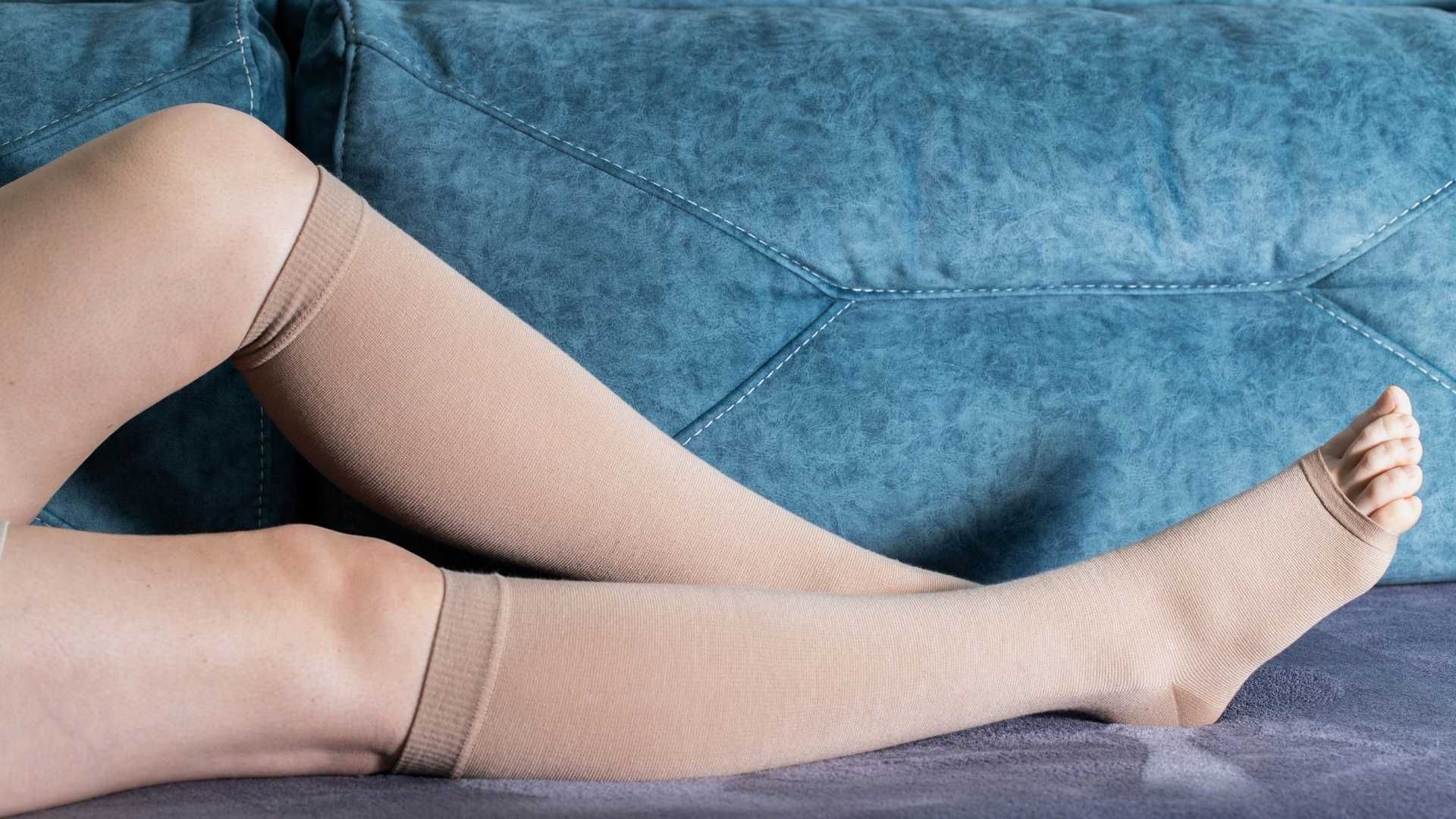
- Wear compression stockings as directed
- Take short walks throughout the day (this is important!)
- Avoid strenuous exercise and heavy lifting
- Take over-the-counter pain medication as needed
First Few Weeks
- Gradually increase activity levels
- Continue wearing compression stockings during the day
- Attend follow-up appointments
- Watch for any signs of complications
Recovery: What's Realistic?
Let's be honest about recovery—it's not always sunshine and rainbows, but it's generally much easier than most people expect.
Timeline
Days 1-3: Early Recovery
- Mild to moderate discomfort (manageable with over-the-counter pain meds)
- Bruising and swelling are normal
- Light activities and short walks encouraged
- Most people feel well enough to work from home
Days 4-7: Turning the Corner
- Discomfort decreases significantly
- Many patients return to desk jobs
- Can resume light exercise like walking
- Bruising may look worse before it looks better (normal!)
Weeks 2-4: Getting Back to Normal
- Most restrictions lifted
- Can resume most normal activities
- Compression stockings still recommended during activity
- Visible improvements in appearance
Months 1-3: Final Results
- Bruising completely resolved
- Swelling gone
- Scars fade to thin lines
- Full cosmetic results visible
What Helps Recovery Go Smoothly
Do's:
- Walk regularly (even short distances)
- Elevate your legs when resting
- Wear compression stockings as directed
- Stay hydrated
- Keep incision sites clean and dry
- Attend all follow-up appointments
Don'ts:
- Don't sit or stand still for long periods
- Don't skip compression stockings
- Don't do high-impact exercise too soon
- Don't take hot baths or use hot tubs for a few weeks
- Don't ignore signs of infection or complications
Potential Risks and Complications
Every medical procedure has risks, and it's important to understand them. The good news? Serious complications are rare when these procedures are performed by experienced vascular surgeons like Dr. Ziporin.
Common, Minor Side Effects
- Bruising and swelling (expected and temporary)
- Mild discomfort or soreness
- Temporary numbness near incision sites
- Skin discoloration that fades over time
- Firmness along treated vein paths
Rare but Serious Complications
- Infection (less than 1% of cases)
- Deep vein thrombosis (blood clots in deeper veins)
- Nerve damage causing permanent numbness
- Scarring (though minimal with modern techniques)
- Recurrence of varicose veins in treated areas
When to Call Your Doctor
Contact Ascent Vascular immediately if you experience:
- Signs of infection (fever, increasing redness, warmth, or pus)
- Severe pain not controlled by medication
- Excessive swelling or swelling that worsens
- Chest pain or difficulty breathing
- Signs of blood clots (calf tenderness, warmth, redness)
Call (970) 926-1003 if you have any concerns during your recovery.
Results: What Can You Expect?
Now for the exciting part—the results!
Immediate Improvements
The moment the procedure is done, those bulging veins are gone. Seriously. You'll see immediate cosmetic improvement, even with bruising and swelling present.
Short-Term Results (Weeks 1-12)
- Symptoms like aching, heaviness, and swelling decrease dramatically
- Bruising fades
- Incision sites heal and begin to fade
- You can wear shorts and skirts confidently again
- Physical activities become more comfortable
Long-Term Results (Months to Years)
- Treated veins don't come back (they're permanently removed)
- Scars fade to barely noticeable thin lines
- Legs feel and look healthier
- Improved quality of life
- Reduced risk of complications from untreated varicose veins
Success Rates
When performed by experienced vascular surgeons, segmental vein stripping and microphlebectomy have excellent success rates:
- 90-95% of patients report significant symptom improvement
- High patient satisfaction with cosmetic results
- Low recurrence rates compared to other treatments
- Durable, long-lasting outcomes
How These Procedures Compare to Other Varicose Vein Treatments
You might be wondering how segmental vein stripping and microphlebectomy stack up against other treatment options. Let's break it down.
Versus Endovenous Laser Treatment (EVLT)
EVLT uses laser energy to seal veins from the inside. It's less invasive than stripping but:
- Works best for straight veins (not twisted ones)
- May not be suitable for very large or superficial veins
- Sometimes requires additional treatments for branch veins
- Microphlebectomy often complements EVLT for complete results
Versus Radiofrequency Ablation (RFA)
RFA is similar to EVLT but uses radiofrequency energy. Again:
- Best for main trunk veins
- May not address all visible branch veins
- Often combined with microphlebectomy for optimal results
Versus Sclerotherapy
Sclerotherapy involves injecting solution into veins to make them collapse:
- Better suited for smaller spider veins and small varicose veins
- May require multiple treatment sessions
- Not as effective for larger, bulging varicose veins
- Works well as a complementary treatment after stripping/microphlebectomy
The Bottom Line
Different techniques work best for different situations. Ascent Vascular offers comprehensive varicose vein treatments and will recommend the approach that's best for your specific case—sometimes that's a combination of methods.
Who's a Good Candidate?
Wondering if these procedures are right for you? Here's what makes someone a good candidate:
Ideal Candidates
- Adults with symptomatic varicose veins
- People with bulging, rope-like veins that don't respond to conservative treatment
- Those who've tried compression stockings without adequate relief
- Patients in good overall health
- Non-smokers or those willing to quit temporarily
- Realistic expectations about outcomes
Who Might Need Different Treatment
- People with very small spider veins (sclerotherapy is better)
- Those with active infections or skin conditions in the treatment area
- Patients with serious heart or lung conditions
- Pregnant women (wait until after delivery)
- Those with deep vein thrombosis or clotting disorders
Medical Evaluation
Your consultation at Ascent Vascular includes:
- Physical examination of your veins
- Medical history review
- Ultrasound evaluation
- Discussion of your symptoms and goals
- Personalized treatment recommendations
Cost and Insurance Coverage
Let's talk about the financial aspect—because we know this matters.
Does Insurance Cover These Procedures?
Good news: insurance often covers vein stripping and microphlebectomy when they're medically necessary. This typically means:
- You have documented symptoms (pain, swelling, heaviness)
- You've tried conservative treatment first (compression stockings)
- The veins are causing or could cause health problems
- A vascular surgeon deems the procedure medically necessary
If treatment is purely cosmetic (no symptoms, just appearance), insurance may not cover it.
What to Expect Cost-Wise
Costs vary based on:
- Extent of treatment needed
- Whether one or both legs require treatment
- Your insurance coverage
- Geographic location
The team at Ascent Vascular will work with you to:
- Verify your insurance coverage
- Explain out-of-pocket costs
- Discuss payment options
- Submit necessary pre-authorization paperwork
Investment in Your Health
Even if you have some out-of-pocket costs, consider what you're gaining:
- Relief from daily discomfort
- Improved mobility and activity levels
- Better sleep (no more nighttime leg cramps)
- Confidence to wear what you want
- Prevention of potential complications
- Long-term solution (not temporary fixes)
Life After Treatment: Preventing Future Varicose Veins
Here's something important: while segmental vein stripping and microphlebectomy remove existing problematic veins permanently, they don't prevent new varicose veins from developing in other areas.
Prevention Strategies
Stay Active
Regular exercise, especially walking, swimming, and cycling, keeps blood circulating properly and strengthens leg muscles that help pump blood back to your heart.
Maintain a Healthy Weight
Extra pounds put additional pressure on your veins. Maintaining a healthy weight reduces this stress.
Avoid Prolonged Sitting or Standing
If your job requires long periods of sitting or standing, take breaks to move around. When sitting, avoid crossing your legs.
Wear Compression Stockings
Your doctor may recommend wearing compression stockings during activities that stress your veins, like long flights or standing-intensive work.
Elevate Your Legs
When resting, prop your legs up above heart level when possible. This helps blood flow back toward your heart.
Stay Hydrated
Proper hydration keeps blood flowing smoothly and prevents sluggish circulation.
Long-Term Follow-Up
Regular check-ins with your vascular surgeon help:
- Monitor for new vein problems
- Catch issues early when they're easier to treat
- Adjust prevention strategies as needed
- Maintain optimal vascular health
Why Choose Ascent Vascular for Your Vein Treatment?
When it comes to vein procedures, experience and expertise matter. A lot.
Board-Certified Vascular Expertise
Dr. Scott Ziporin, MD, RPVI is a board-certified vascular surgeon and Registered Physician in Vascular Interpretation with specialized training in treating venous disease. This means:
- Years of dedicated training beyond medical school
- Extensive experience with complex vascular cases
- Deep understanding of vein anatomy and physiology
- Skills in both traditional and minimally invasive techniques
- Advanced certification in vascular ultrasound interpretation
State-of-the-Art Technology
Ascent Vascular uses advanced ultrasound imaging to:
- Accurately diagnose vein problems
- Plan optimal treatment approaches
- Guide procedures with precision
- Monitor healing and results
Personalized Care
No two patients are exactly alike. The team at Ascent Vascular takes time to:
- Understand your unique concerns and goals
- Create customized treatment plans
- Explain options in language you understand
- Support you throughout your journey
Convenient Location
Located in Edwards, CO, Ascent Vascular serves the entire Vail Valley and Eagle County area. At 1140 Edwards Village Blvd. B204, Edwards, CO 81632, you'll find a modern, comfortable facility designed with patient care in mind.
Real Patient Experiences: What People Say
While we can't share specific patient stories without permission, we can tell you what many patients report after segmental vein stripping and microphlebectomy:
"I wish I'd done this sooner. The recovery was so much easier than I expected, and my legs feel amazing."
"I can finally wear shorts without feeling self-conscious. The procedure changed my life."
"The aching and heaviness in my legs are completely gone. I didn't realize how much it was affecting my daily activities."
"Dr. Ziporin and the team made me feel comfortable throughout the entire process. They answered all my questions and set realistic expectations."
Taking the First Step
If you've been living with uncomfortable, unsightly varicose veins, you don't have to anymore. Segmental vein stripping and microphlebectomy offer effective, lasting solutions that can dramatically improve both how your legs look and how they feel.
The hardest part is often just making that first call. But once you do, you're on your way to healthier, more comfortable legs.
What Happens Next?
- Schedule a consultation: Call (970) 926-1003 or contact Ascent Vascular online
- Complete your evaluation: Meet with Dr. Ziporin, undergo ultrasound imaging, and discuss treatment options
- Make an informed decision: Take time to consider your options and ask any questions
- Schedule your procedure: If you decide to move forward, we'll find a convenient time
- Prepare for treatment: Follow pre-procedure instructions
- Undergo your procedure: Trust in experienced hands
- Recover and heal: Follow post-procedure guidelines
- Enjoy your results: Show off those healthier legs!
FAQs About Segmental Vein Stripping and Microphlebectomy
How painful is the procedure?
Most patients report minimal pain during the procedure thanks to local anesthesia. Afterward, discomfort is typically mild to moderate and well-controlled with over-the-counter pain medication. Many people compare it to muscle soreness after a tough workout.
Will the veins come back after treatment?
The specific veins that are removed during segmental vein stripping and microphlebectomy are permanently gone. However, new varicose veins can potentially develop in other areas over time, especially if underlying risk factors aren't addressed. Following prevention strategies significantly reduces this risk.
How soon can I return to work?
This depends on your job. Desk jobs: many patients return within 3-5 days. Standing or physical jobs: you might need 1-2 weeks. Dr. Ziporin will provide personalized guidance based on your occupation and recovery progress.
Will I have visible scars?
Microphlebectomy incisions are so small they typically heal with minimal scarring—often just tiny dots that fade significantly over time. Segmental vein stripping incisions are also small and are placed strategically to minimize visibility. Most patients find scars barely noticeable after a few months.
Can both legs be treated at the same time?
Sometimes, yes. However, many surgeons prefer treating one leg at a time to make recovery easier. You'll be able to use your untreated leg more freely during recovery. Dr. Ziporin will recommend the best approach for your situation.
How long do I need to wear compression stockings?
Typically, you'll wear compression bandages for the first day or two, then transition to compression stockings for 1-4 weeks. The exact duration depends on the extent of your procedure and how you're healing. Consistent wear during the recommended period significantly improves results.
Is the procedure covered by insurance?
Many insurance plans cover varicose vein treatment when it's medically necessary (causing symptoms and affecting your quality of life). Ascent Vascular will verify your coverage and help with pre-authorization. Purely cosmetic treatment may not be covered.
What if I'm on blood thinners?
You'll need to discuss this with Dr. Ziporin. Some blood thinners may need to be temporarily stopped before the procedure, while others can be safely continued. Never stop blood thinners without consulting both your vascular surgeon and the doctor who prescribed them.
FAQs About Ascent Vascular
Where is Ascent Vascular located?
We're conveniently located at 1140 Edwards Village Blvd. B204, Edwards, CO 81632. We serve patients throughout the Vail Valley, Eagle County, and surrounding mountain communities.
What other vascular conditions does Ascent Vascular treat?
Beyond varicose veins, Ascent Vascular treats a wide range of vascular conditions including peripheral artery disease, spider veins, venous ulcers, deep vein thrombosis, and more. We provide comprehensive vascular care for all your needs.
Does Ascent Vascular offer other varicose vein treatments besides vein stripping?
Absolutely! We offer a full spectrum of vein treatments including endovenous laser therapy, radiofrequency ablation, sclerotherapy, and conservative management. Dr. Ziporin will recommend the best approach for your specific situation.
How do I schedule a consultation?
Simply call (970) 926-1003 or fill out the contact form on our website. Our friendly staff will help you find a convenient appointment time and answer any preliminary questions.
Does Ascent Vascular have on-site ultrasound capabilities?
Yes! Our state-of-the-art ultrasound lab allows us to perform comprehensive vein evaluations right in our office. This means more accurate diagnoses, better treatment planning, and greater convenience for you.
What should I bring to my first appointment?
Bring your insurance card, a list of current medications, any relevant medical records, and a list of questions you want to ask. Wear comfortable, loose-fitting shorts or pants that can be easily rolled up to allow examination of your legs.
Your Healthier Legs Are Waiting
Living with varicose veins doesn't just affect how your legs look—it impacts your comfort, your activity level, your confidence, and your overall quality of life. You deserve better.
Segmental vein stripping and microphlebectomy offer proven, effective solutions with excellent long-term results. Combined with the expertise of a board-certified vascular surgeon and modern techniques, you can achieve the healthy, comfortable legs you've been hoping for.
Ready to take the next step? Contact Ascent Vascular today to schedule your consultation. Call (970) 926-1003 or visit us at 1140 Edwards Village Blvd. B204, Edwards, CO 81632.
Dr. Ziporin and the entire Ascent Vascular team look forward to helping you achieve the results you're looking for. Your journey to healthier legs starts with a simple phone call.
Don't let another summer pass by hiding your legs. Take control of your vascular health today.
Ascent Vascular provides expert vascular care in Edwards, CO, serving the Vail Valley and Eagle County. Dr. Scott Ziporin, MD, RPVI specializes in minimally invasive treatments for varicose veins and other vascular conditions. Call (970) 926-1003 to schedule your consultation.
Disclaimer: The information provided on this blog is for general informational purposes only and is not intended as, and should not be considered, medical advice. All information, content, and material available on this blog are for general informational purposes only. Readers are advised to consult with a qualified healthcare professional for medical advice, diagnosis, or treatment. The author and the blog disclaim any liability for the decisions you make based on the information provided. Always seek the advice of your physician or other qualified health provider with any questions you may have regarding a medical condition.