How to Prepare for a Vascular Ultrasound: A Patient's Guide
Key Points
- Vascular ultrasounds are painless, non-invasive tests that use sound waves to examine blood flow
- Minimal preparation is required for most vascular ultrasounds
- The procedure typically takes 30-60 minutes and you can return to normal activities immediately
- Ultrasounds help diagnose conditions like PAD, DVT, varicose veins, and other circulation issues
- Ascent Vascular uses advanced ultrasound technology for accurate diagnosis and treatment planning
What Is a Vascular Ultrasound?
If your doctor has scheduled you for a vascular ultrasound, you might be wondering what exactly that means and how to get ready for it. Good news: it's one of the easiest medical tests you'll ever have, and there's very little you need to do to prepare.
A vascular ultrasound (also called a vascular duplex scan or Doppler ultrasound) is a painless imaging test that lets us see inside your blood vessels without any needles, radiation, or invasive procedures. It uses sound waves, kind of like the sonar submarines use, to create pictures of your arteries and veins and show us how blood is flowing through them.
At Ascent Vascular, we use vascular ultrasounds to diagnose and monitor a wide range of vascular conditions, from peripheral arterial disease to varicose veins. It's one of our most valuable diagnostic tools because it's safe, accurate, and gives us real-time information about what's happening in your circulatory system.
Why You Might Need a Vascular Ultrasound
Your doctor might order a vascular ultrasound for several reasons:
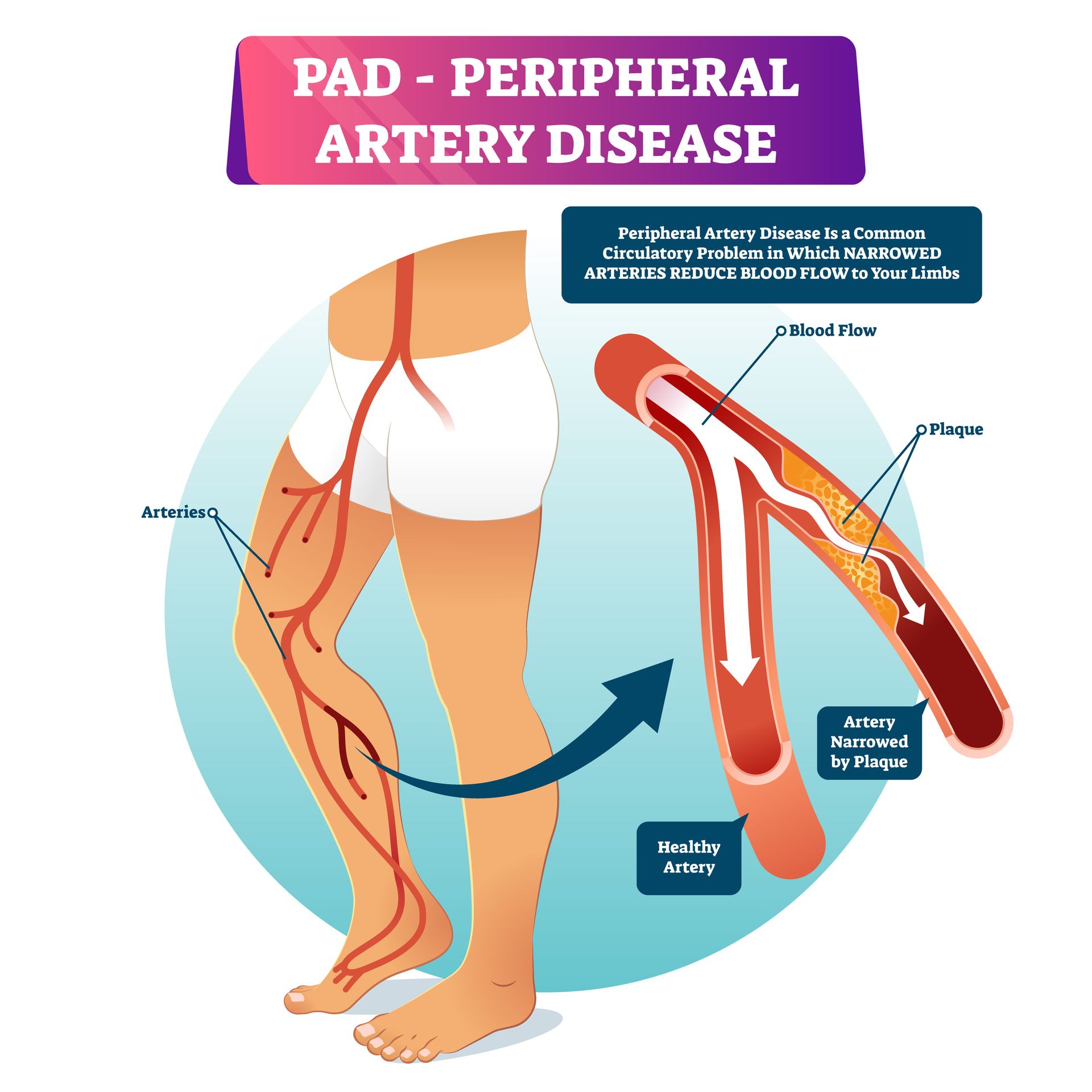
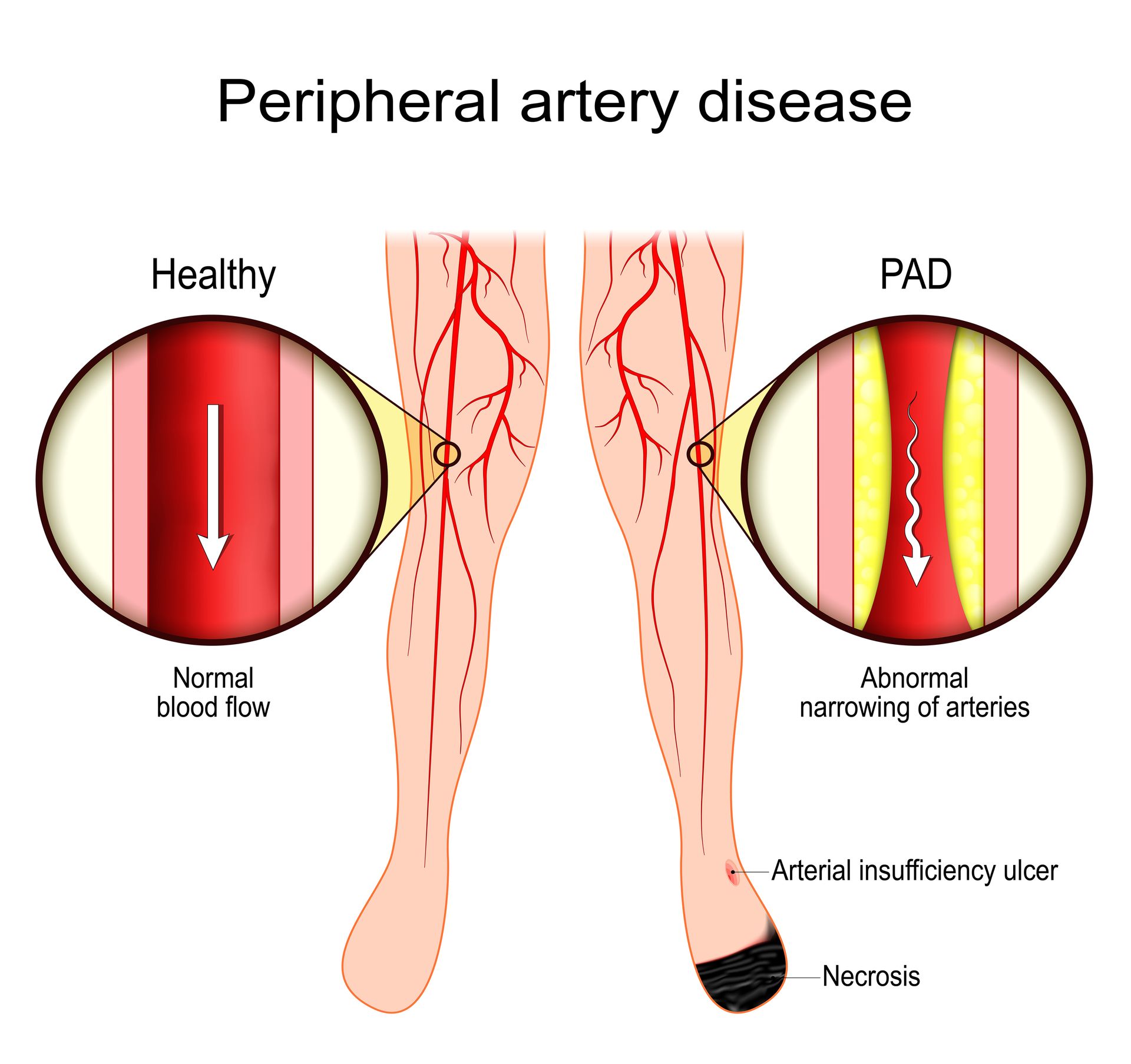
To check for blockages in your arteries that could indicate peripheral arterial disease or other circulation problems
To look for blood clots in your veins, especially if there's concern about deep vein thrombosis
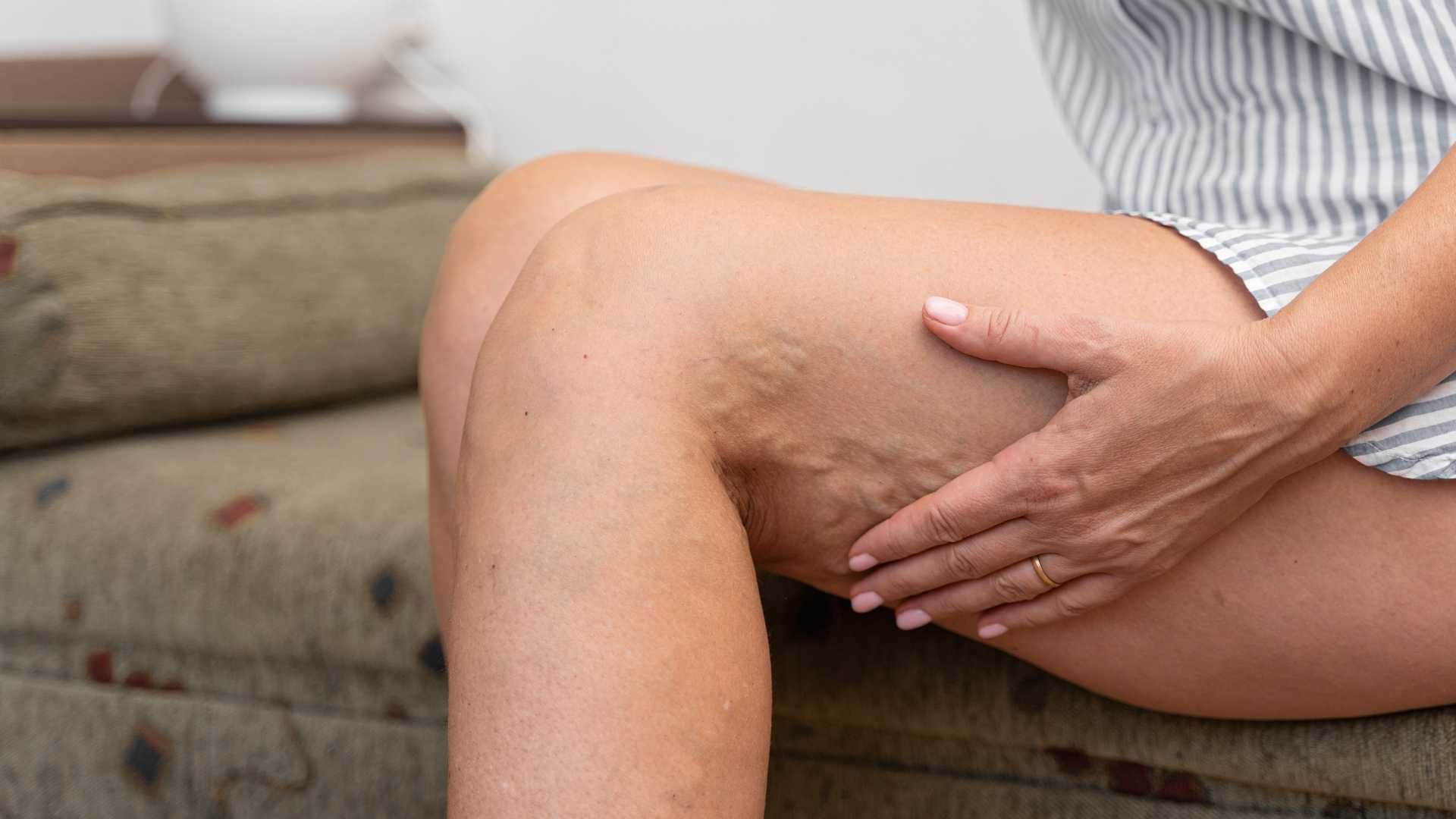
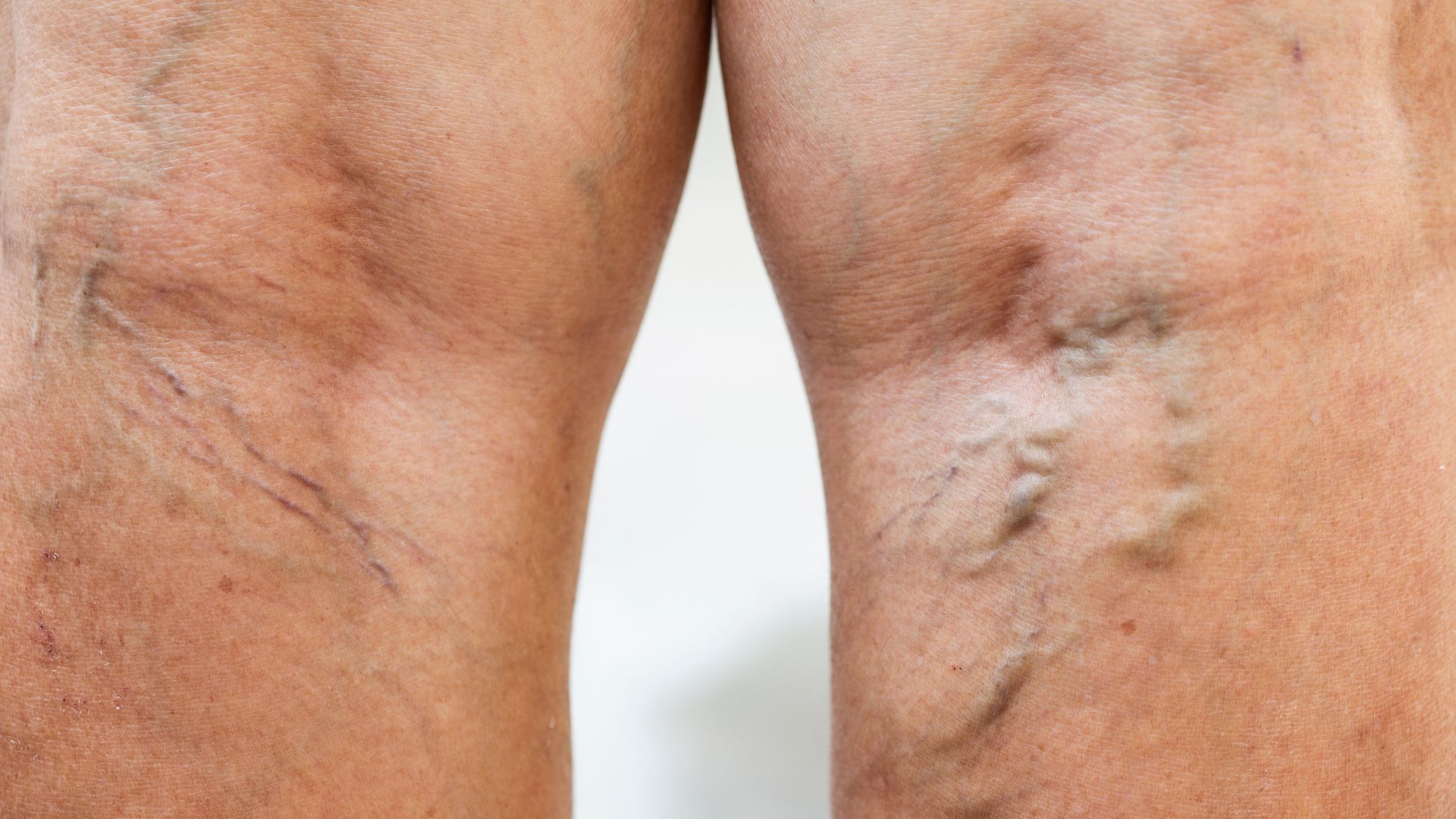
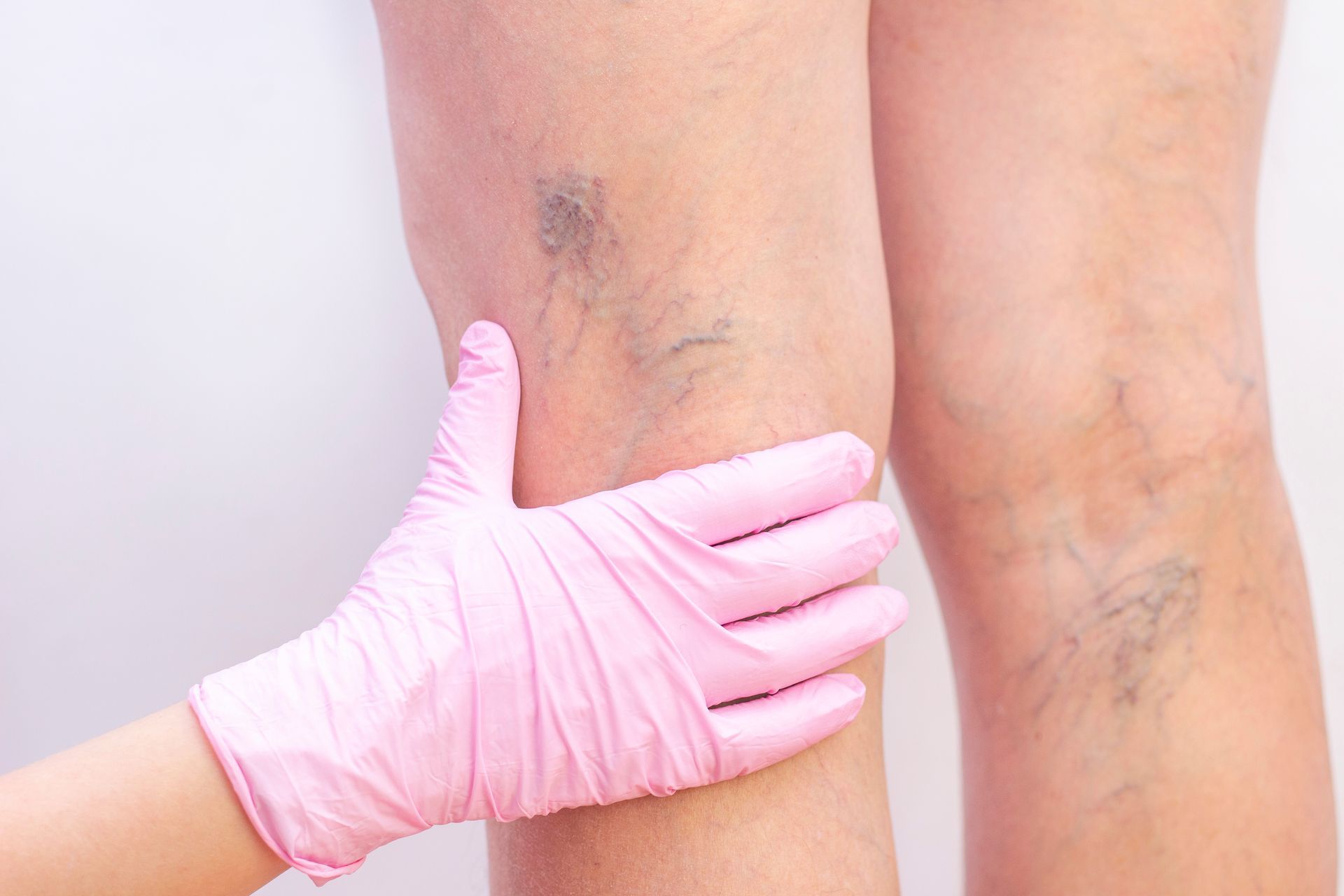
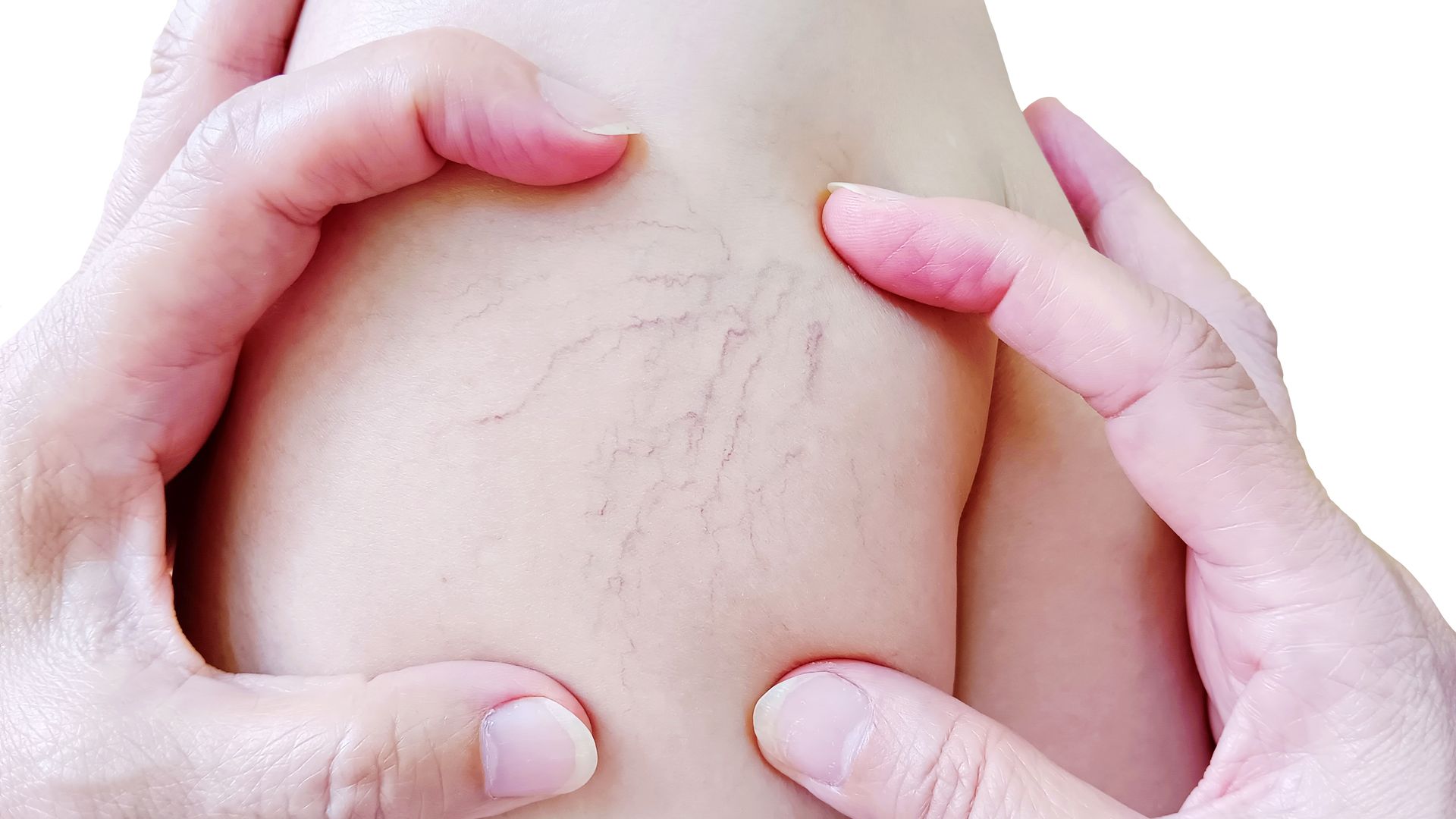
To evaluate varicose veins and determine the best treatment approach
To assess blood flow before or after vascular procedures
To monitor known conditions and see how treatment is working
To investigate symptoms like leg pain, swelling, numbness, or wounds that won't heal
The ultrasound helps us see exactly what's going on inside your blood vessels so we can create the most effective treatment plan for you.
How to Prepare for Your Vascular Ultrasound
Here's the best part: preparing for a vascular ultrasound is usually super simple. For most types of vascular ultrasounds, you don't need to do anything special at all.
General Preparation Guidelines
Wear comfortable, loose-fitting clothing. You'll want to wear something that gives easy access to the area being examined. For leg ultrasounds, loose pants or a skirt works great. For carotid (neck) ultrasounds, avoid turtlenecks or anything tight around your collar.
You can eat and drink normally. Unlike some medical tests, most vascular ultrasounds don't require fasting. Feel free to have your regular meals and beverages before your appointment.
Take your medications as usual. Unless your doctor specifically tells you otherwise, continue taking all your regular medications on schedule.
Avoid smoking or using nicotine for at least 2 hours before your appointment if possible. Nicotine can temporarily affect blood flow and might influence the test results.
Skip the lotion. Don't apply lotion, oil, or powder to the area being examined on the day of your test. These can interfere with the ultrasound gel we use.
Special Preparations for Specific Tests
Abdominal vascular ultrasounds might require you to fast for 8-12 hours beforehand. If you're having this type of ultrasound, our team will give you specific instructions when you schedule.
Renal (kidney) ultrasounds sometimes require drinking water before the test. Again, we'll let you know if this applies to your situation.
When you schedule your appointment, our staff will tell you exactly what you need to do (or not do) to prepare. If you have questions, don't hesitate to call us at (970) 926-1003.
What to Expect During Your Vascular Ultrasound
Knowing what's going to happen can help ease any nervousness about the test. Here's a step-by-step look at what your appointment will be like:
When You Arrive
You'll check in at our Edwards office at 1140 Edwards Village Blvd. B204, Edwards, CO 81632. Bring your insurance card and a list of any medications you're taking. You might need to fill out some paperwork if it's your first visit.
Getting Started
A trained ultrasound technician (sonographer) will take you to the exam room and explain the procedure. You might need to change into a gown depending on which area is being examined, or you might just need to roll up a pant leg or sleeve.
During the Test
You'll lie down on a comfortable exam table. The technician will apply a clear, water-based gel to your skin. This gel helps the ultrasound waves travel better and gives us clearer images. It might feel a little cool at first, but it's not uncomfortable.
The technician will then press a small device called a transducer against your skin and move it around the area being examined. The transducer sends out sound waves and picks up the echoes that bounce back from your blood vessels. These echoes create images on a computer screen.
You might hear some whooshing sounds during the test. That's normal! It's the sound of your blood flowing through your vessels. The technician might ask you to hold your breath briefly, change positions, or flex your foot or leg. These movements help us get the best possible images.
The whole process is painless. You might feel a little pressure from the transducer, but it shouldn't hurt. If anything feels uncomfortable, just let the technician know.
How Long It Takes
Most vascular ultrasounds take between 30 and 60 minutes, depending on which vessels we're examining and how many different areas need to be checked. Some simple ultrasounds might be quicker, while more comprehensive evaluations could take a bit longer.
After the Test
Once the technician has all the images needed, they'll wipe off the gel and you're done! There's no recovery time needed. You can get dressed, go back to work, drive, exercise, or do whatever else you had planned for the day.
Understanding Your Results
After your ultrasound, a vascular specialist will review the images and prepare a detailed report. At Ascent Vascular, Dr. Spaulding and our team will carefully analyze the results to understand what's happening in your vascular system.
Your doctor will discuss the findings with you, usually within a few days of your test. They'll explain what the ultrasound showed, what it means for your health, and what steps (if any) you should take next.
If the ultrasound reveals a condition that needs treatment, we'll talk through all your options and create a plan that makes sense for your situation. The detailed images from the ultrasound help us recommend the most appropriate and effective treatments.
The Benefits of Ultrasound Technology
There's a reason vascular ultrasounds have become such an important diagnostic tool. They offer several advantages over other types of imaging:
No radiation exposure. Unlike X-rays or CT scans, ultrasounds don't use radiation, making them very safe for repeated use.
Real-time imaging. We can watch your blood flowing in real time, which gives us information other tests can't provide.
Non-invasive. There are no needles, no incisions, and no recovery time needed.
Accurate and detailed. Modern ultrasound technology provides incredibly clear images of blood vessels and can detect even small abnormalities.
Painless. Most people find the test relaxing and completely comfortable.
You can learn more about the importance of ultrasound for vascular care on our blog.
Common Questions We Hear
Patients often have similar questions before their first vascular ultrasound. Here are some things people commonly wonder about:
"Will I need to undress?" It depends on which area we're examining. For leg ultrasounds, you might just need to roll up your pants. For other areas, we might ask you to change into a gown. We'll always respect your privacy and keep you as covered as possible during the exam.
"Can I bring someone with me?" Absolutely! You're welcome to have a family member or friend accompany you to your appointment.
"What if I'm claustrophobic?" Vascular ultrasounds don't involve being in an enclosed space like an MRI machine. You'll be lying on an open exam table with plenty of room, so claustrophobia usually isn't an issue.
"Will the results tell me everything I need to know?" The ultrasound provides valuable information about your vascular health, but it's one piece of the puzzle. Your doctor will combine the ultrasound findings with your symptoms, medical history, and possibly other tests to get the complete picture.
Taking the Next Step
If you've been experiencing symptoms like leg pain, swelling, numbness, or other signs of vascular problems, a vascular ultrasound might be an important first step in figuring out what's going on and how to help you feel better.
At Ascent Vascular, we're committed to making your experience as comfortable and stress-free as possible. Our state-of-the-art ultrasound technology, combined with our team's expertise, ensures you'll get accurate results and personalized care.
FAQs About Vascular Ultrasound
How accurate are vascular ultrasounds?
Vascular ultrasounds are highly accurate when performed by experienced technicians and interpreted by vascular specialists. They can detect blockages, blood clots, and other abnormalities with excellent reliability. The accuracy depends on the specific condition being evaluated and the quality of the equipment used.
Are there any risks or side effects?
Vascular ultrasounds are extremely safe with no known risks or side effects. The sound waves used are completely harmless, and there's no radiation exposure. You can have ultrasounds as often as needed without any health concerns.
Can I eat before my vascular ultrasound?
For most vascular ultrasounds, yes, you can eat normally. However, abdominal vascular ultrasounds might require fasting. We'll give you specific instructions when you schedule your appointment based on the type of ultrasound you're having.
Will my insurance cover a vascular ultrasound?
Most insurance plans cover medically necessary vascular ultrasounds when ordered by a doctor. We recommend checking with your insurance provider about your specific coverage. Our team can also help verify your benefits before your appointment.
How long before I get my results?
Results timing can vary, but typically you'll hear from your doctor within a few days of your ultrasound. In some cases, if there's an urgent finding, you might be contacted sooner. If you haven't heard back within a week, it's fine to call and check on your results.
Can a vascular ultrasound detect all circulation problems?
Vascular ultrasounds are excellent for detecting many circulation issues, but they're not the only diagnostic tool available. Depending on your symptoms and what we find, your doctor might recommend additional tests to get a complete picture of your vascular health.
What's the difference between a regular ultrasound and a vascular ultrasound?
Regular ultrasounds typically look at organs and tissues (like during pregnancy). Vascular ultrasounds specifically focus on blood vessels and blood flow. They use Doppler technology to measure the speed and direction of blood movement through your arteries and veins.
Do I need to stop taking blood thinners before the ultrasound?
No, you should continue taking all your regular medications, including blood thinners, unless your doctor specifically tells you to stop. Blood thinners don't interfere with the ultrasound test.
FAQs About Ascent Vascular Specialist and Vein Center
What types of vascular conditions does Ascent Vascular treat?
We treat a comprehensive range of vascular conditions including peripheral arterial disease, deep vein thrombosis, varicose veins, spider veins, chronic venous disease, and venous stasis ulceration. We offer both diagnostic services and advanced treatment options.
Do you offer same-day or urgent appointments?
We understand that some vascular concerns need prompt attention. We do our best to accommodate urgent appointments when necessary. Call us at (970) 926-1003 to discuss your situation and we'll work to see you as quickly as possible.
What should I bring to my first appointment?
Bring your insurance card, a valid ID, a list of current medications, and any relevant medical records from other providers. If you've had previous vascular tests or imaging, bringing those results can be helpful too.
Is parking available at your Edwards location?
Yes, we have convenient parking available at our Edwards Village location at 1140 Edwards Village Blvd. B204, Edwards, CO 81632.
Does Ascent Vascular offer other imaging services besides ultrasound?
While ultrasound is our primary diagnostic imaging tool for vascular conditions, we work closely with other imaging centers and specialists when additional tests like CT angiography or MRI are needed for comprehensive evaluation.
Can I access my test results online?
Yes, we offer a
patient portal where you can view your test results, communicate with our team, and manage your appointments conveniently online.
Schedule Your Vascular Ultrasound Today
If you need a vascular ultrasound or have concerns about your vascular health, don't put it off. Early detection of vascular problems can make a significant difference in treatment outcomes and your overall quality of life.
At Ascent Vascular Specialist and Vein Center, we combine advanced diagnostic technology with compassionate care to help you understand and improve your vascular health. Our team is here to answer your questions, address your concerns, and provide the expert care you deserve.
Ready to take the next step? Contact us to schedule your appointment, or give us a call at (970) 926-1003. We're conveniently located in Edwards, serving patients throughout the Vail Valley.
You can also explore
more helpful articles on our blog to learn about maintaining your vascular health and understanding your treatment options.
Disclaimer: The information provided on this blog is for general informational purposes only and is not intended as, and should not be considered, medical advice. All information, content, and material available on this blog are for general informational purposes only. Readers are advised to consult with a qualified healthcare professional for medical advice, diagnosis, or treatment. The author and the blog disclaim any liability for the decisions you make based on the information provided. Always seek the advice of your physician or other qualified health provider with any questions you may have regarding a medical condition.