Leg Pain While Walking: Could It Be Peripheral Artery Disease?
Key Points
- Leg pain that appears when walking and improves with rest could be claudication, a sign of peripheral artery disease
- Not all leg pain while walking is PAD. Muscle cramps, arthritis, nerve problems, and other conditions cause similar symptoms
- The location, timing, and characteristics of your pain help determine its cause
- Early diagnosis of PAD prevents serious complications like limb loss
- Ascent Vascular specializes in diagnosing leg pain and determining whether PAD is responsible
That Cramping in Your Leg: What's Really Going On?
You're walking through the neighborhood, or maybe just running errands at the store, when your leg starts to hurt. It's a cramping, aching sensation, usually in your calf. You have to slow down, maybe stop to rest for a few minutes. Then, mysteriously, the pain goes away and you can keep going. At least until it happens again.
If this sounds familiar, you might be wondering: what's causing this? Is it just getting older? Did I overdo it at the gym? Or could it be something more serious?
The truth is, leg pain while walking can have many different causes. Some are harmless and easily fixed. Others, like peripheral artery disease, need medical attention. The good news? There's a way to figure out which is which, and our team at Ascent Vascular can help you get answers.
Understanding Claudication: The Classic PAD Symptom
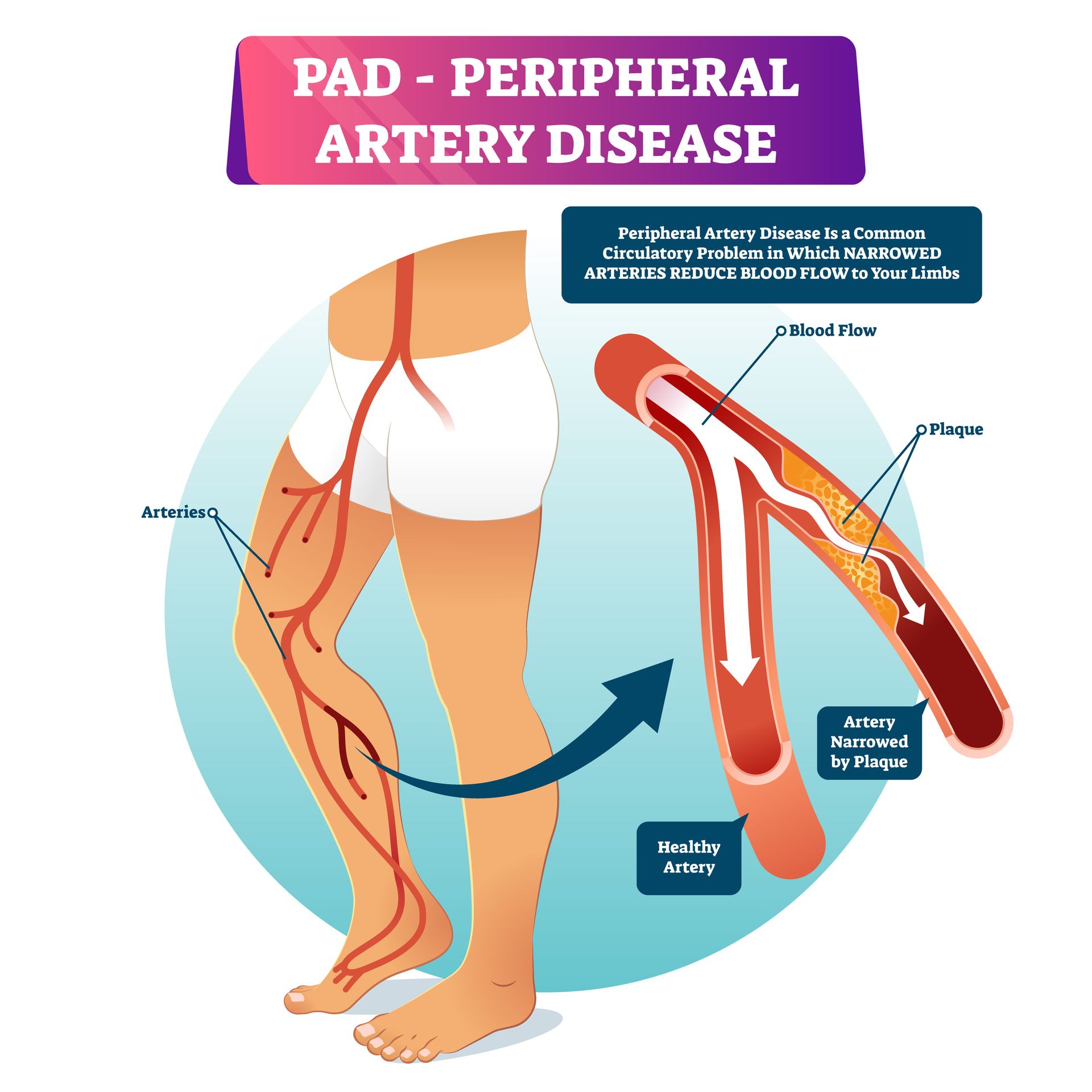
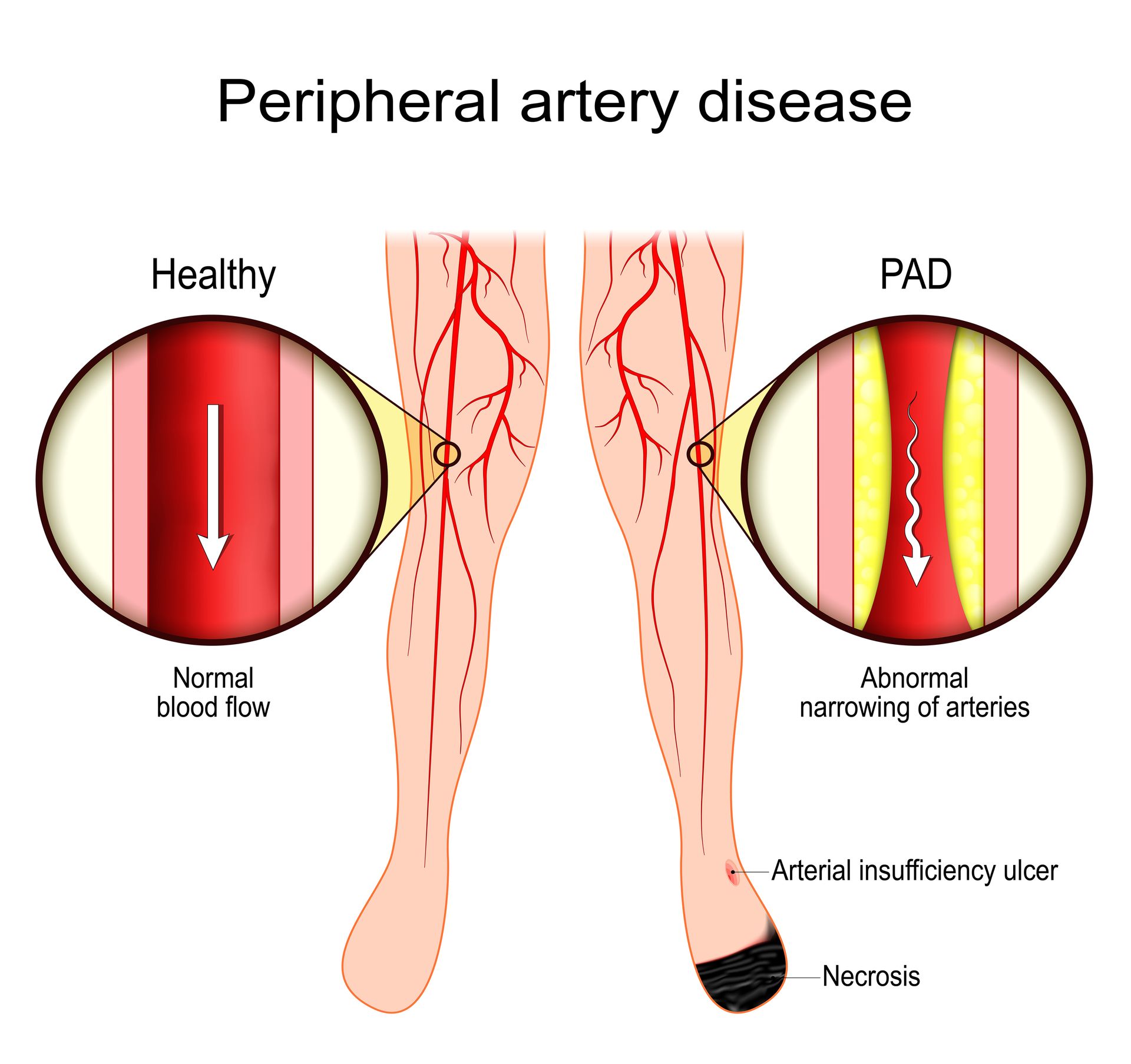
When peripheral artery disease narrows the arteries supplying blood flow to your legs, it often causes a specific type of leg pain called claudication. Understanding what claudication is helps you recognize whether your symptoms might indicate PAD.
What Claudication Feels Like
Claudication typically presents as:
Cramping pain in your calf, thigh, or buttock that starts or worsens when you walk
Pain that comes on predictably after a certain distance or time of walking. You might always need to stop after walking two blocks, for example.
Pain that goes away with rest. Within a few minutes of stopping, the discomfort resolves completely. You can then walk another block or two before it returns.
Pain that doesn't occur at rest. Unlike some other leg conditions, claudication pain happens specifically with activity, not when you're sitting or sleeping.
Symptoms that might also include numbness, weakness, or coolness in your affected leg
The word "claudication" comes from the Latin word for "to limp," which perfectly describes how many people with PAD walk. They develop this stop-and-go pattern where activity triggers pain and rest relieves it.
Why PAD Causes Claudication
Remember, peripheral arterial disease occurs when plaque narrows the arteries supplying your legs. When you walk, your leg muscles demand more oxygen-rich blood. If the narrowed arteries can't supply enough blood, your muscles don't get the oxygen they need, and pain results.
It's similar to what happens with angina in the heart. When blood flow to heart muscle is restricted and the heart demands more oxygen during exercise, it sends a pain signal. Same principle in your legs with PAD.
Other Types of Leg Pain: Not Everything Is PAD
Here's where it gets tricky. Lots of things can cause leg pain while walking, and not all of them are PAD. Being able to distinguish between claudication and other causes helps you know whether you need vascular care or something else.
Muscle Cramping and Fatigue
What it is: Overworked muscles that haven't been conditioned for the activity you're doing, or muscles fatigued from overuse.
How it feels: General muscle soreness or fatigue, often affecting the whole leg or muscle group rather than a specific pattern. Pain might be present at rest if muscles are severely fatigued.
When it happens: Often after trying a new activity or doing something more strenuous than usual.
How it differs from claudication: The pain doesn't follow a predictable stop-and-go pattern. Rest might help, but pain doesn't resolve completely within minutes like claudication does.
Arthritis in Your Knees, Hips, or Ankles
What it is: Joint degeneration causing stiffness and pain with movement.
How it feels: Pain, stiffness, or grinding sensation in specific joints. Pain might be worse in the morning or after inactivity.
When it happens: Often starts gradually and worsens over time. Cold weather sometimes makes it worse.
How it differs from claudication: Arthritis pain is typically joint-specific rather than muscle cramping. The pain often improves with continued movement as joints warm up, whereas claudication gets worse the more you walk.
Sciatica or Nerve Compression
What it is: A pinched nerve, often in your lower back, causing pain that radiates down the back of your leg.
How it feels: Shooting, burning, or tingling pain that often follows a specific path down your leg. Numbness or weakness might be present.
When it happens: Often triggered by certain movements, positions, or sitting for long periods.
How it differs from claudication: Sciatic pain is often constant or recurring, not necessarily tied to how far you walk. You might feel it while sitting or lying down, unlike claudication which occurs specifically with walking.
Restless Leg Syndrome
What it is: An uncomfortable sensation in your legs that creates an urge to move them.
How it feels: Creeping, crawling sensations that feel uncomfortable and cause an irresistible urge to move your legs.
When it happens: Often in the evening or while lying in bed.
How it differs from claudication: Restless leg syndrome typically occurs at rest, not during walking. The sensations are often described differently (crawling, creeping) than the cramping pain of claudication. This may be a symptom of vein issues.
Compartment Syndrome (Acute or Chronic)
What it is: Increased pressure within the muscle compartments of your leg, restricting blood flow to muscles.
How it feels: Pain, often severe, in specific compartments of your leg (anterior or lateral shin, for example). Pain can be accompanied by numbness, tingling, or weakness.
When it happens: Often during or immediately after exercise. Acute compartment syndrome is a medical emergency.
How it differs from claudication: The pain pattern might seem similar initially, but the specific location (like shin pain rather than calf), the severity, and associated symptoms usually differ. True compartment syndrome is often more severe than typical claudication pain.
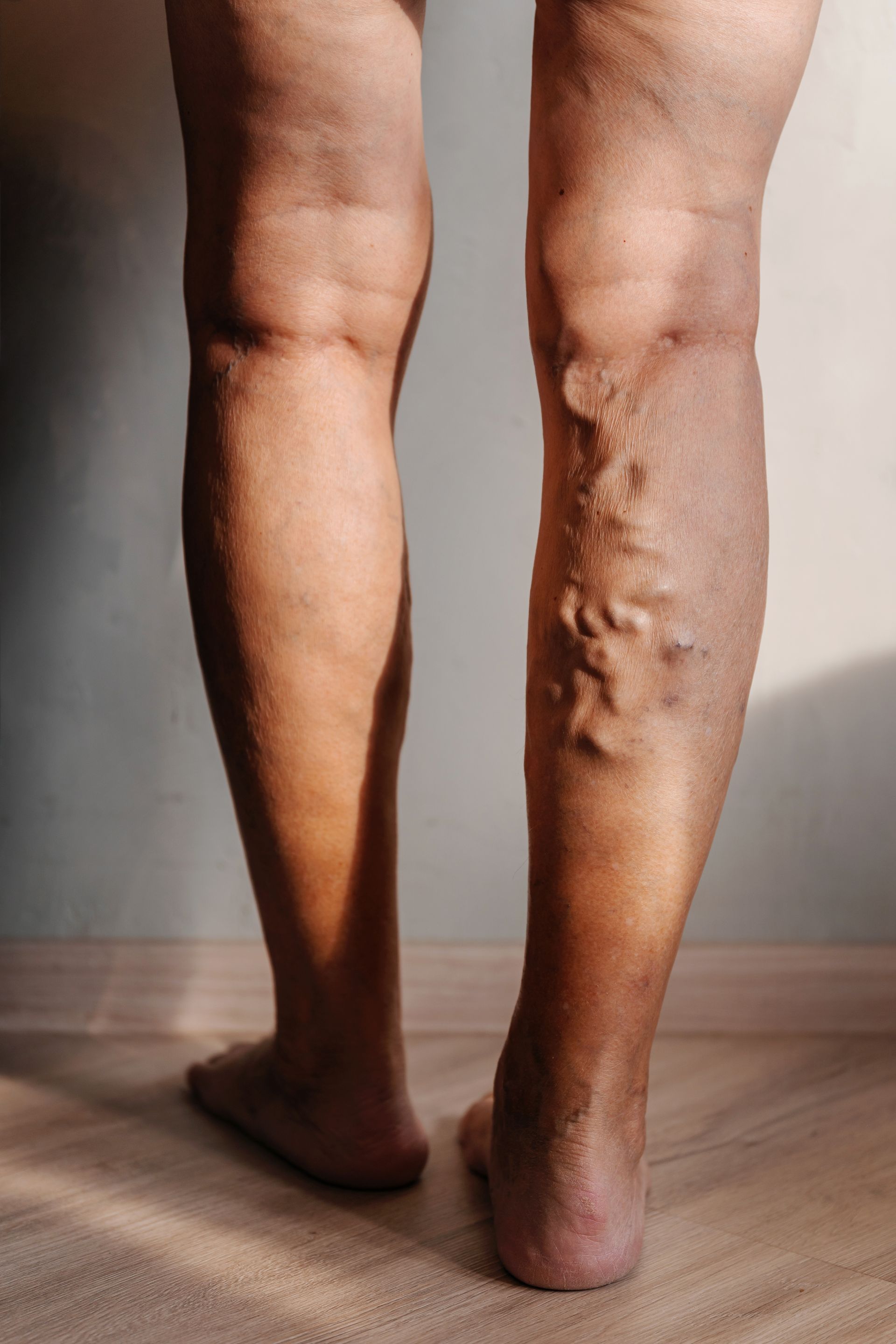
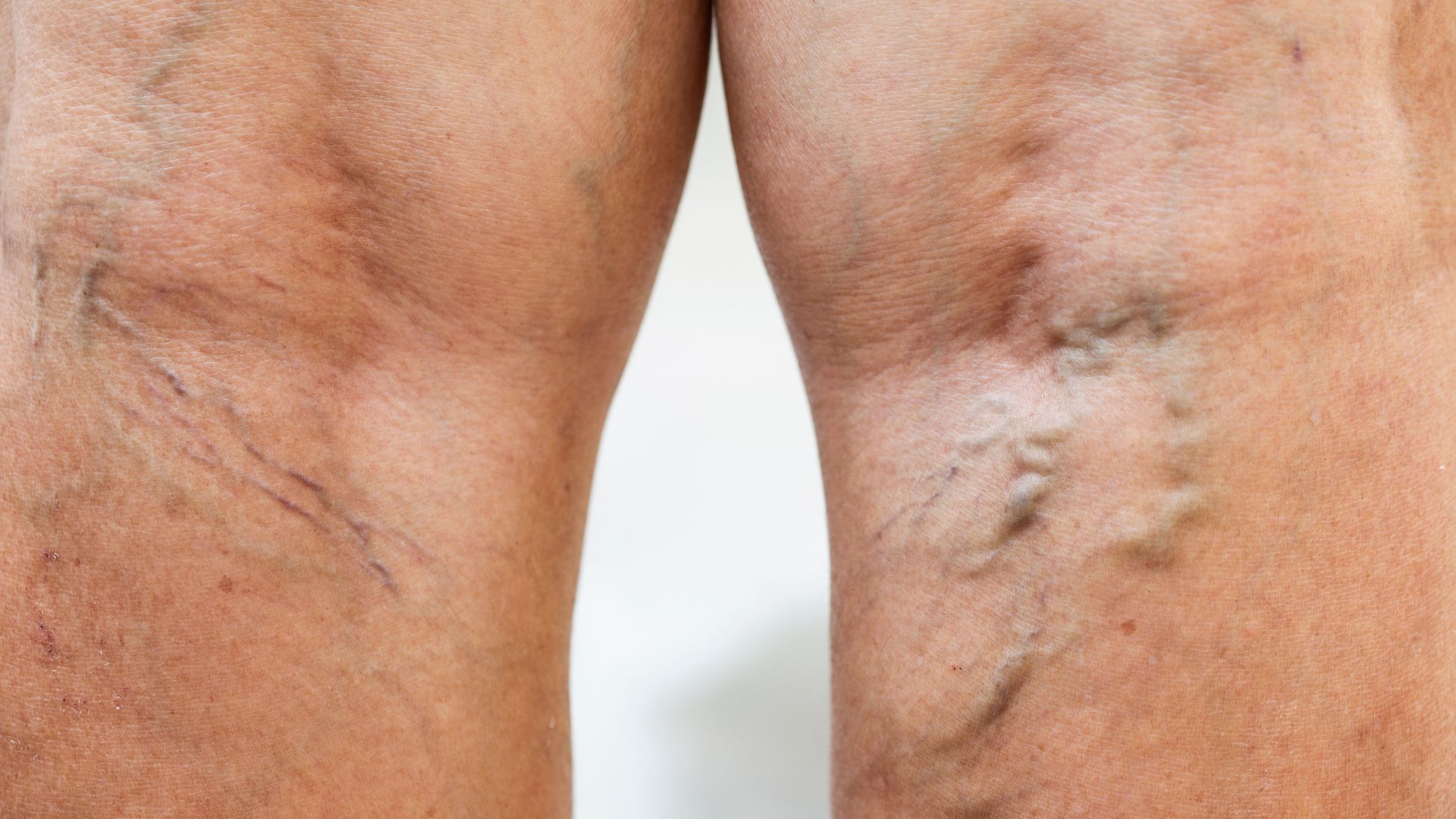
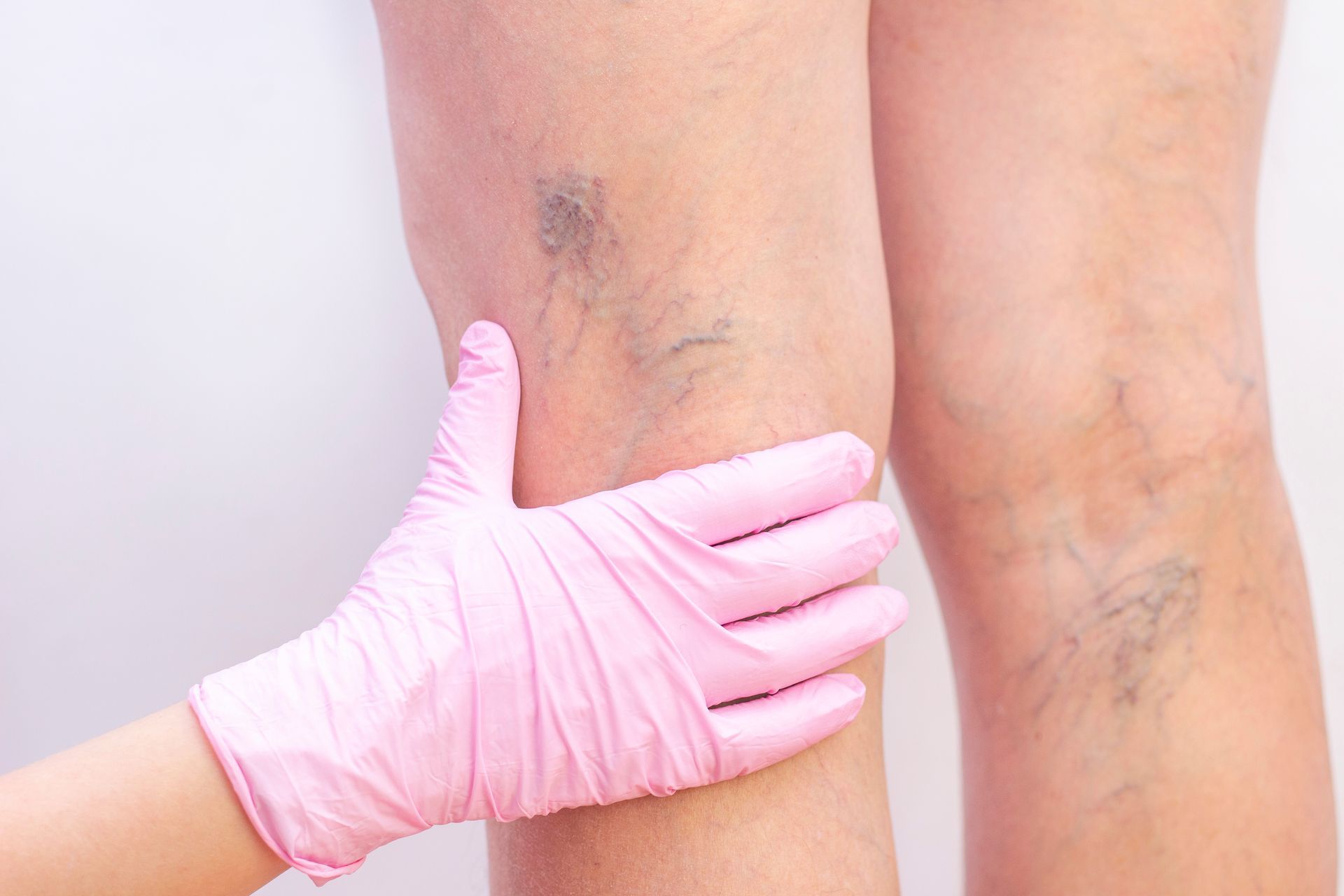
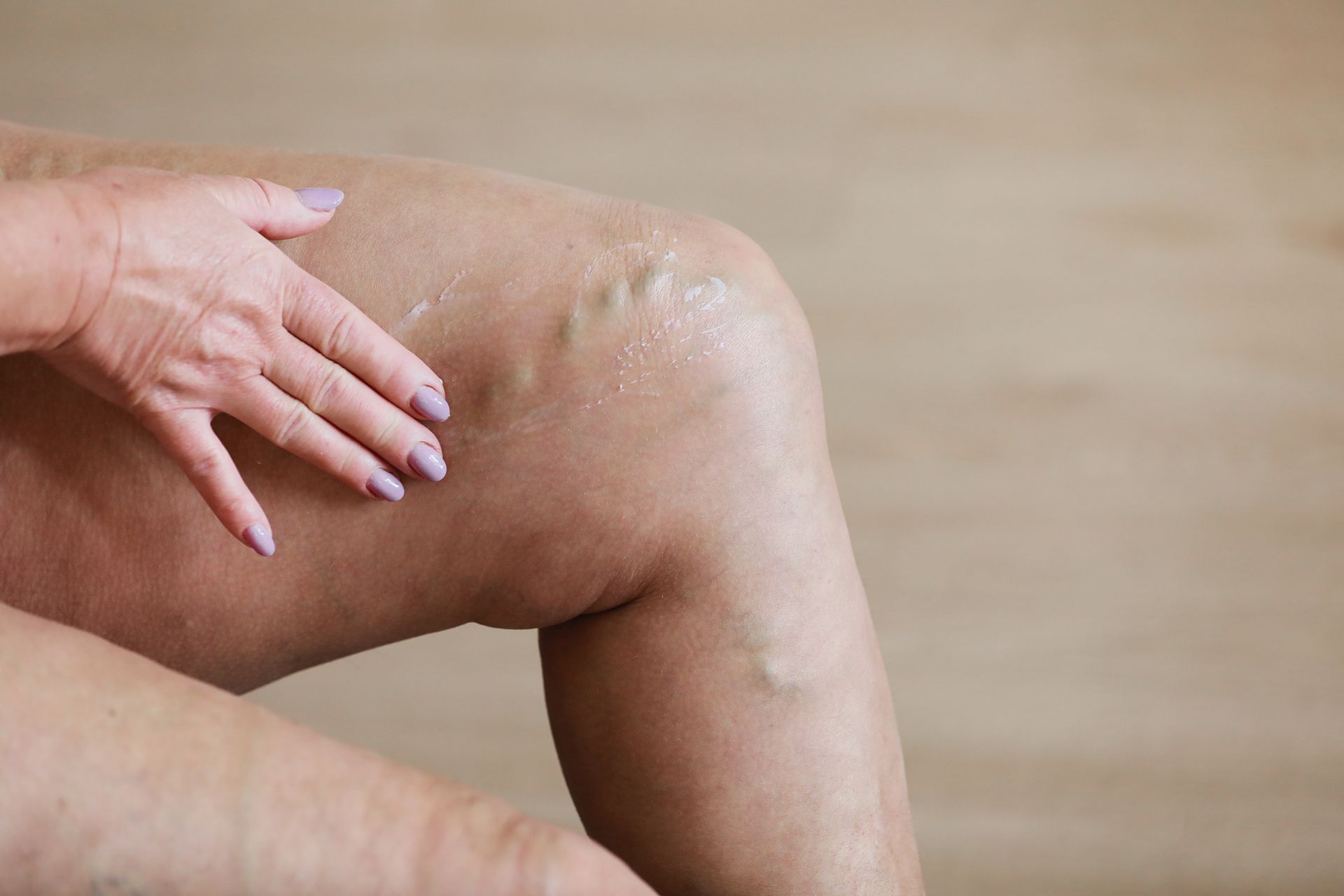
Venous Insufficiency
What it is: Problems with veins returning blood from your legs to your heart, causing blood to pool in your legs.
How it feels: Aching, heaviness, or swelling in your legs, often worse at the end of the day or with prolonged standing.
When it happens: Typically associated with standing or being upright for long periods, sometimes improving with leg elevation.
How it differs from claudication: Venous symptoms usually worsen with continued activity and standing, whereas claudication improves with rest. Swelling is more prominent with venous issues.
Red Flags: When Leg Pain Needs Immediate Attention
While claudication is a warning sign that requires medical evaluation, certain leg pain symptoms are medical emergencies needing immediate care:
Sudden, severe leg pain that comes on without warning
Pain in both legs simultaneously
Leg pain accompanied by severe swelling, redness, or warmth (signs of blood clot or severe infection)
Severe pain in your legs while resting (could indicate critical limb ischemia, a serious form of PAD)
Pain accompanied by significant numbness, tingling, or inability to move your leg
Signs of skin breakdown, wounds, or darkening of your skin with severe pain
If you experience any of these symptoms, go to the emergency room or call 911. Don't wait for an appointment.
Evaluating Your Leg Pain: Questions to Ask Yourself
Before your doctor's visit, think about these questions. Your answers help your healthcare provider figure out what's causing your pain:
When did the pain start? Suddenly or gradually?
What exactly does the pain feel like? Cramping, sharp, aching, tingling, burning?
Where exactly do you feel it? Calf, thigh, buttock, shin, foot?
What triggers the pain? Walking a certain distance? Climbing stairs? Standing? Sitting? Nothing specific?
How far can you walk before pain starts? One block? A few blocks? A certain number of minutes?
What makes the pain go away? Rest? Elevation? Continuing to move? Stretching?
How long does it take for pain to resolve once it starts? Seconds? A few minutes? Longer?
Is the pain in one leg or both? If both, is it equal or worse on one side?
Have you noticed any other symptoms? Swelling, color changes, temperature differences, wounds, numbness, weakness?
What activities have changed because of this pain? Can't walk as far? Avoiding stairs? Limiting exercise?
Are there any patterns? Does it happen at certain times of day? In certain weather? Only after certain activities?
Have you had any injuries, surgery, or recent changes to your activity level?
Do you have risk factors for PAD? Smoking, diabetes, high blood pressure, high cholesterol, family history of vascular disease, age over 50?
The PAD Risk Factors: Are You at Risk?
Knowing whether you have risk factors for PAD helps determine how concerned you should be about leg pain. While anyone can develop PAD, certain factors increase your likelihood.
Factors You Can't Change
Age: Risk increases significantly after age 50
Family history: If close relatives have had PAD or other vascular disease, you're at higher risk
Sex: Men have slightly higher risk than women overall, though postmenopausal women's risk increases
Factors You Can Influence
Smoking: This is the single biggest modifiable risk factor. Smokers are 4 times more likely to develop PAD than nonsmokers.
Diabetes: People with diabetes are twice as likely to develop PAD, especially if blood sugar isn't well controlled
High blood pressure: Uncontrolled hypertension damages blood vessel walls
High cholesterol: Excess cholesterol contributes to plaque formation
Obesity: Extra weight increases cardiovascular risk overall
Lack of physical activity: Sedentary lifestyle increases PAD risk
Poor diet: Diets high in saturated fat, salt, and sugar increase multiple PAD risk factors
If you have several of these risk factors and are experiencing leg pain with walking, PAD should be on your radar. That said, even people without obvious risk factors can develop PAD, so don't dismiss symptoms just because you think you're low-risk.
When to See a Doctor About Leg Pain
You don't need to wait until leg pain is severe or unbearable to seek medical evaluation. Consider scheduling an appointment with your primary care doctor or calling our office if:
You have new leg pain that occurs predictably with walking
Your leg pain is limiting your activities
You have leg pain plus any of these: swelling, color changes, temperature differences, wounds, or numbness
You have leg pain and risk factors for PAD
Your leg pain has changed. If it used to happen after walking a mile and now happens after half a block, that's worth investigating.
Rest isn't relieving your leg pain anymore
Your leg pain is affecting your quality of life
Your doctor might do a basic evaluation or refer you to a vascular specialist for more advanced testing. Either way, seeking answers is the right move.
How PAD Is Diagnosed
If your doctor suspects PAD might be causing your leg pain, several tests can help confirm the diagnosis.
Physical Examination
Your doctor will check the pulses in your legs and feet, look for signs of poor circulation (like hair loss, skin changes, or wounds), and compare one leg to the other.
Ankle-Brachial Index (ABI)
This simple, painless test compares blood pressure in your ankle to blood pressure in your arm. A significant difference suggests possible PAD. ABI is often the first vascular test done because it's quick, inexpensive, and effective.
Vascular Ultrasound
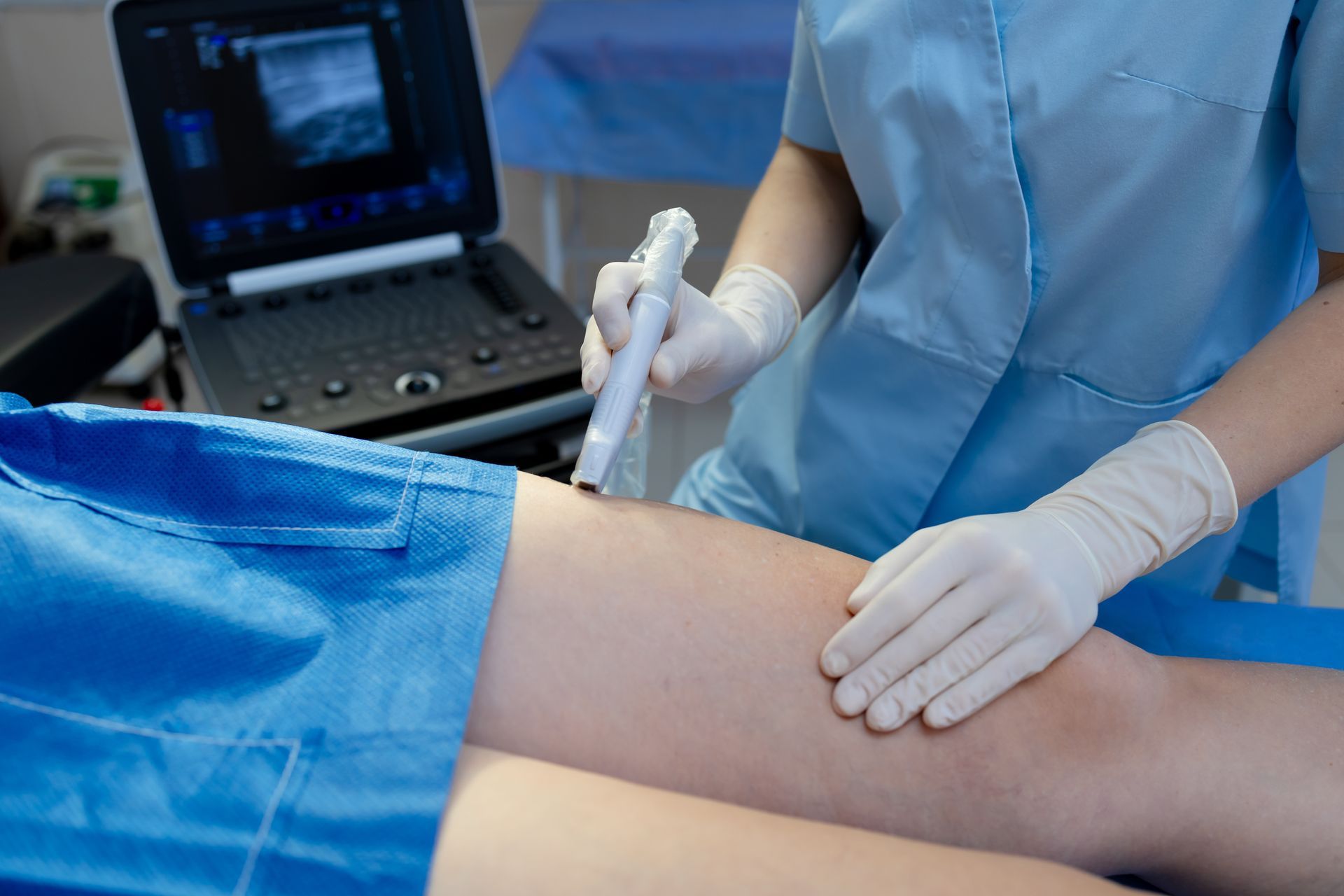
If ABI suggests PAD, your doctor will likely order a vascular ultrasound. This painless test uses sound waves to create images of your blood vessels and show exactly where blockages are located and how severe they are.
You can learn what to expect during a vascular ultrasound on our blog.
Other Tests
Depending on results, your vascular specialist might order:
CT or MR angiography to get detailed images of your arteries
Stress testing to see if your symptoms occur at a predictable exercise level
Toe-brachial index if you have diabetes or other reasons standard ABI might not be accurate
At Ascent Vascular, we use advanced ultrasound technology to diagnose PAD accurately and determine the best treatment approach for your specific situation.
What to Do If You Have Claudication
If testing confirms that PAD is causing your leg pain, the good news is that effective treatments exist. Many people experience significant improvement in symptoms and walking ability with the right approach.
Start Conservative Treatment
Most people with PAD benefit from lifestyle changes and medications first:
Quit smoking if you do. This single change has the biggest impact on claudication.
Start a walking program. This might seem counterintuitive since walking causes pain, but structured walking is one of the best treatments for claudication. Walk to the point of mild discomfort, rest until it resolves, then walk again. You can learn more about developing an effective walking program.
Eat a heart-healthy diet to slow disease progression
Take medications as prescribed, typically including antiplatelet drugs and often cholesterol-lowering medications
Manage other conditions like diabetes and high blood pressure
For many people, these conservative measures provide significant relief without needing procedures.
Consider Procedures If Needed
If conservative treatment doesn't adequately relieve symptoms after a reasonable time period, or if symptoms are severe and affecting your quality of life, minimally invasive procedures like angioplasty and stenting can restore blood flow and improve symptoms dramatically.
You can explore treatment options in detail on our blog.
When It's NOT PAD: Getting the Right Diagnosis
Sometimes people with leg pain worry it's PAD when the real cause is something else. That's actually good news in a way, because if it's not PAD, the underlying cause might be easier to address.
If your doctor rules out PAD, they'll work to identify the actual cause. This might involve:
Physical therapy for muscle issues or arthritis
Orthopedic evaluation for joint problems
Neurology referral for nerve-related issues
Vascular evaluation for venous problems
The important thing is getting a correct diagnosis. Whether your leg pain is PAD or something else, treatment options exist to help you feel better.
Living with the Uncertainty: Before You Have Answers
If you're experiencing leg pain and waiting for evaluation and test results, it's natural to feel anxious. You might worry constantly about whether it's something serious. That anxiety is understandable, but remember:
Seeking evaluation is the right step. You're taking action instead of ignoring symptoms.
Most leg pain is not PAD. While PAD is relatively common, many other conditions cause leg pain.
Even if it is PAD, treatments work. PAD is manageable, especially when caught early.
The answer will help you move forward. Whether it's PAD or something else, knowing allows you to pursue the right treatment.
Be patient with yourself and the diagnostic process. Quality care takes time, and rushing through testing rarely helps.
FAQs About Leg Pain and PAD
Can you have PAD without leg pain?
Yes. Some people have PAD without any symptoms, discovering it only during testing for other reasons. Others have PAD that's asymptomatic in early stages but becomes symptomatic as the disease progresses. This is one reason why people with risk factors sometimes need screening even without symptoms.
Is claudication pain ever sharp instead of crampy?
While claudication is classically described as cramping, the pain quality can vary. Some people describe it as aching, squeezing, or burning instead of cramping. The key characteristic is that it occurs with walking and resolves with rest.
Can claudication develop suddenly?
Usually claudication develops gradually as artery narrowing worsens over time. However, if a blood clot suddenly forms in an artery, symptoms can appear suddenly. Sudden, severe leg pain is a medical emergency requiring immediate attention.
Does everyone with leg pain while walking have a circulation problem?
No. As discussed, many conditions cause leg pain with walking. A proper evaluation helps determine the cause.
Can I exercise if I have claudication symptoms?
Yes, and you should. Exercise, particularly walking, is therapeutic for claudication. However, work with your doctor to develop a safe, effective exercise plan. Never ignore severe pain as a sign to stop.
How quickly should I see a doctor about leg pain?
If the pain is new, affecting your activities, or accompanied by other symptoms like swelling or color changes, schedule an appointment soon. If pain is sudden and severe, go to the ER. For mild pain that's been present a while, within a week or two is reasonable.
Is leg pain while walking a sign of heart disease?
Not directly. However, having PAD indicates you likely have plaque buildup in other arteries too, including those supplying your heart. This is why treating PAD involves managing overall cardiovascular health. Many people with PAD benefit from the same medications and lifestyle changes that prevent heart disease.
Can young people get PAD and have claudication?
While PAD is more common in older people, younger individuals with significant risk factors (especially smokers with diabetes) can develop it. If you're young and experiencing leg pain with walking plus multiple PAD risk factors, don't dismiss the possibility.
FAQs About Ascent Vascular Specialist and Vein Center
How quickly can you evaluate leg pain?
We understand leg pain is concerning and affects your quality of life. We work to see patients promptly. Call our office at (970) 926-1003 to schedule your evaluation.
What tests will I need to determine if I have PAD?
This depends on your specific situation. Most initial evaluations include a physical exam and ankle-brachial index. If results suggest PAD, we'll perform vascular ultrasound to determine location and severity of any blockages. Other tests might be recommended based on your findings.
Will my evaluation be painful?
No. The tests we use to evaluate PAD (physical exam, ABI, ultrasound) are all painless. You'll be comfortable during your evaluation.
How long does a PAD evaluation take?
Most initial evaluations take 1 to 2 hours. This includes time for checking in, talking with our provider, physical examination, and any testing needed.
Can you see me if my primary care doctor hasn't referred me?
Yes. While some insurance plans require referrals, many don't. Call our office at (970) 926-1003 and we can help you determine what your insurance requires. You don't have to wait for a referral to get answers about your leg pain.
What happens after my evaluation?
Once we determine what's causing your leg pain, we'll discuss results and treatment options. If it's PAD, we'll create a personalized management plan. If it's something else, we'll refer you to the appropriate specialist or back to your primary care doctor for continued care.
Does Ascent Vascular treat conditions other than PAD?
Yes. We treat the full range of vascular conditions including varicose veins, spider veins, deep vein thrombosis, chronic venous insufficiency, and other circulation problems. Whatever's causing your leg pain, we can help figure it out.
Don't Ignore Leg Pain: Get Answers Today
Leg pain while walking is your body's way of telling you something needs attention. While not every case of leg pain indicates PAD, claudication is a warning sign that shouldn't be ignored.
The good news? Whether your leg pain is caused by PAD or something else, effective treatments exist. The first step is getting a proper diagnosis. Once you know what's causing your pain, you can pursue the right treatment and get back to the activities you love.
At Ascent Vascular Specialist and Vein Center in Edwards, Colorado, we specialize in evaluating and treating leg pain caused by vascular conditions. Our state-of-the-art diagnostic technology and experienced team help you get answers quickly so you can move forward with treatment.
Don't let leg pain limit your life. Contact us today to schedule your evaluation, or call our Edwards office at (970) 926-1003. Let's figure out what's causing your pain and create a plan to help you feel better.
Visit us at: Ascent Vascular Specialist and Vein Center 1140 Edwards Village Blvd. B204 Edwards, CO 81632
You can also explore more about peripheral arterial disease, available treatments, or read additional vascular health information on our blog.
Your healthier, more active future starts with one conversation. Let's talk today.
Disclaimer: The information provided on this blog is for general informational purposes only and is not intended as, and should not be considered, medical advice. All information, content, and material available on this blog are for general informational purposes only. Readers are advised to consult with a qualified healthcare professional for medical advice, diagnosis, or treatment. The author and the blog disclaim any liability for the decisions you make based on the information provided. Always seek the advice of your physician or other qualified health provider with any questions you may have regarding a medical condition.