Vascular Health Guide
Your Complete Guide to Vascular Health
Welcome to your comprehensive resource for understanding and maintaining healthy blood vessels. At Ascent Vascular Specialist and Vein Center, we believe that informed patients make the best health decisions. This guide will help you understand how your vascular system works, recognize warning signs of problems, and learn what you can do to keep your circulation healthy for years to come.
Understanding Your Vascular System
Your vascular system is your body's transportation network. It includes all the blood vessels that carry blood throughout your body: arteries that carry oxygen-rich blood away from your heart, veins that return blood back to your heart, and tiny capillaries that connect them.
This network is incredibly extensive. If you could lay out all your blood vessels end to end, they'd stretch about 60,000 miles! That's enough to circle the Earth more than twice.
How Blood Circulation Works
Think of your circulatory system like a sophisticated highway system:
Arteries are like major highways carrying fresh supplies (oxygen and nutrients) to every part of your body. They have thick, muscular walls that can handle the high pressure of blood being pumped from your heart.
Veins are the return routes, bringing blood back to your heart and lungs for a fresh supply of oxygen. Unlike arteries, veins have thinner walls and contain one-way valves to prevent blood from flowing backward.
Capillaries are tiny vessels, thinner than a hair, that connect arteries to veins. They're where the actual exchange happens: oxygen and nutrients move out to your tissues, and waste products move into the blood to be carried away.
When everything's working properly, this system runs smoothly without you even thinking about it. But when problems develop in your blood vessels, you might notice symptoms that signal it's time to seek help.
Common Vascular Conditions
Understanding common vascular conditions can help you recognize problems early and seek appropriate care. Here are some of the conditions we treat at Ascent Vascular:
Peripheral Arterial Disease (PAD)
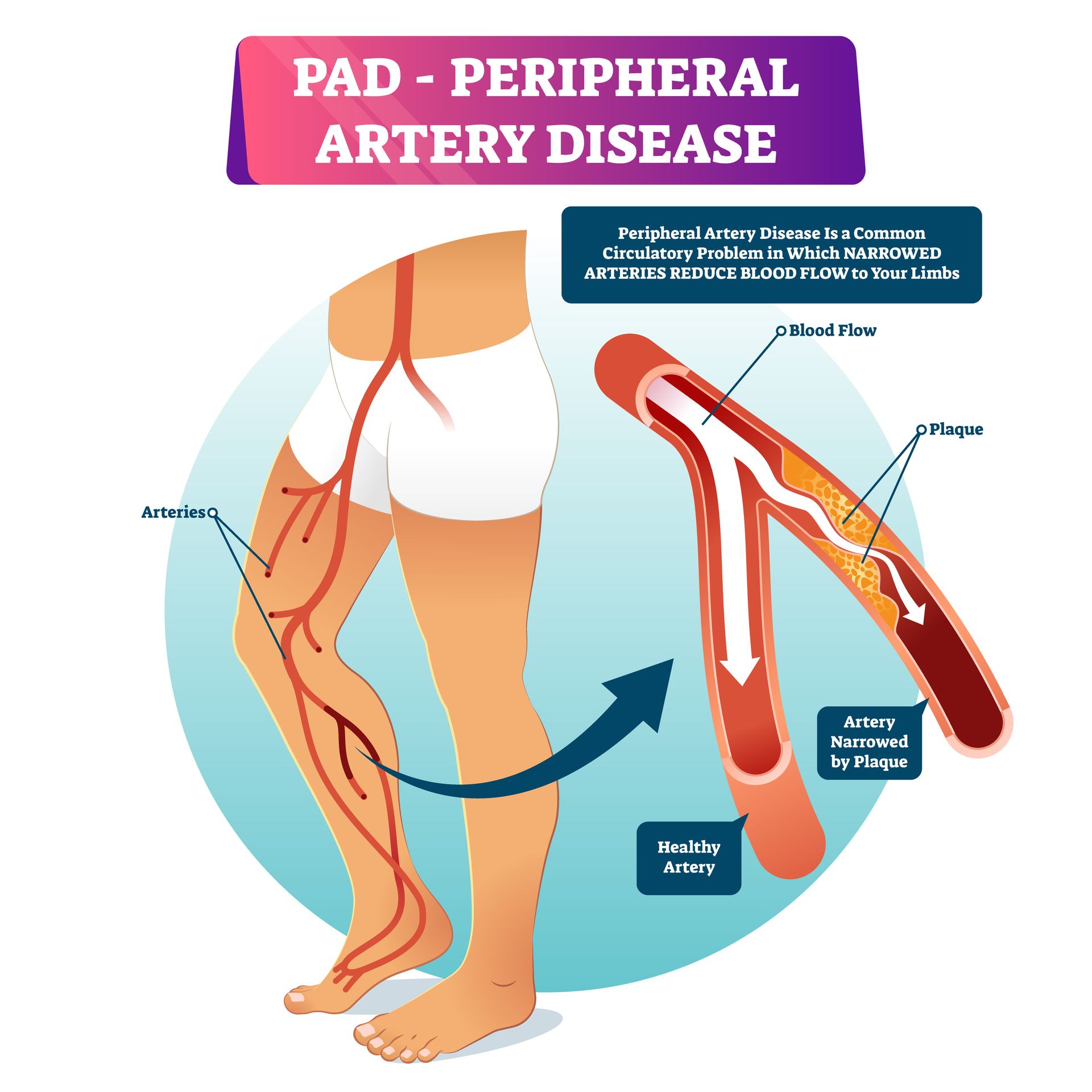
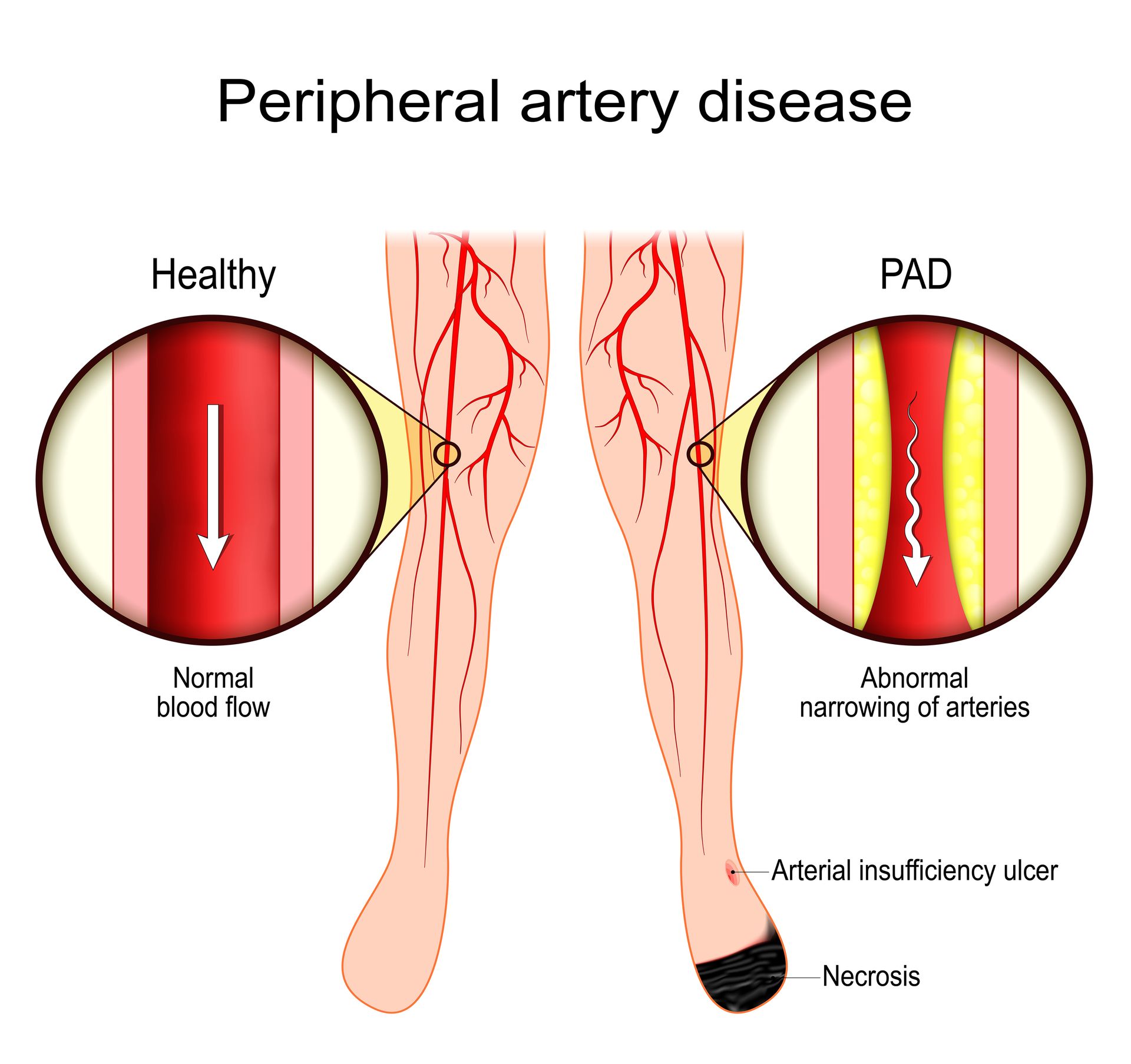
Peripheral arterial disease happens when plaque builds up in the arteries that supply blood to your legs and feet. This narrowing reduces blood flow and can cause pain, especially when walking.
Warning signs include:
- Leg cramping or pain when walking that goes away with rest
- Numbness or weakness in your legs
- Coldness in your lower legs or feet
- Wounds on your legs or feet that heal slowly
- Color changes in your legs
PAD is serious because it often indicates plaque buildup in other arteries too, including those supplying your heart and brain. If you're experiencing these symptoms, learn more about PAD and consider scheduling an evaluation.
Deep Vein Thrombosis (DVT)
DVT occurs when a blood clot forms in a deep vein, usually in your leg. These clots can be dangerous if they break loose and travel to your lungs, causing a pulmonary embolism.
Warning signs include:
- Swelling in one leg (rarely both)
- Pain or tenderness in your leg, often starting in your calf
- Warm skin in the affected area
- Red or discolored skin
DVT requires prompt medical attention. If you notice these symptoms, especially after long periods of sitting, surgery, or injury, contact us right away.
Varicose Veins
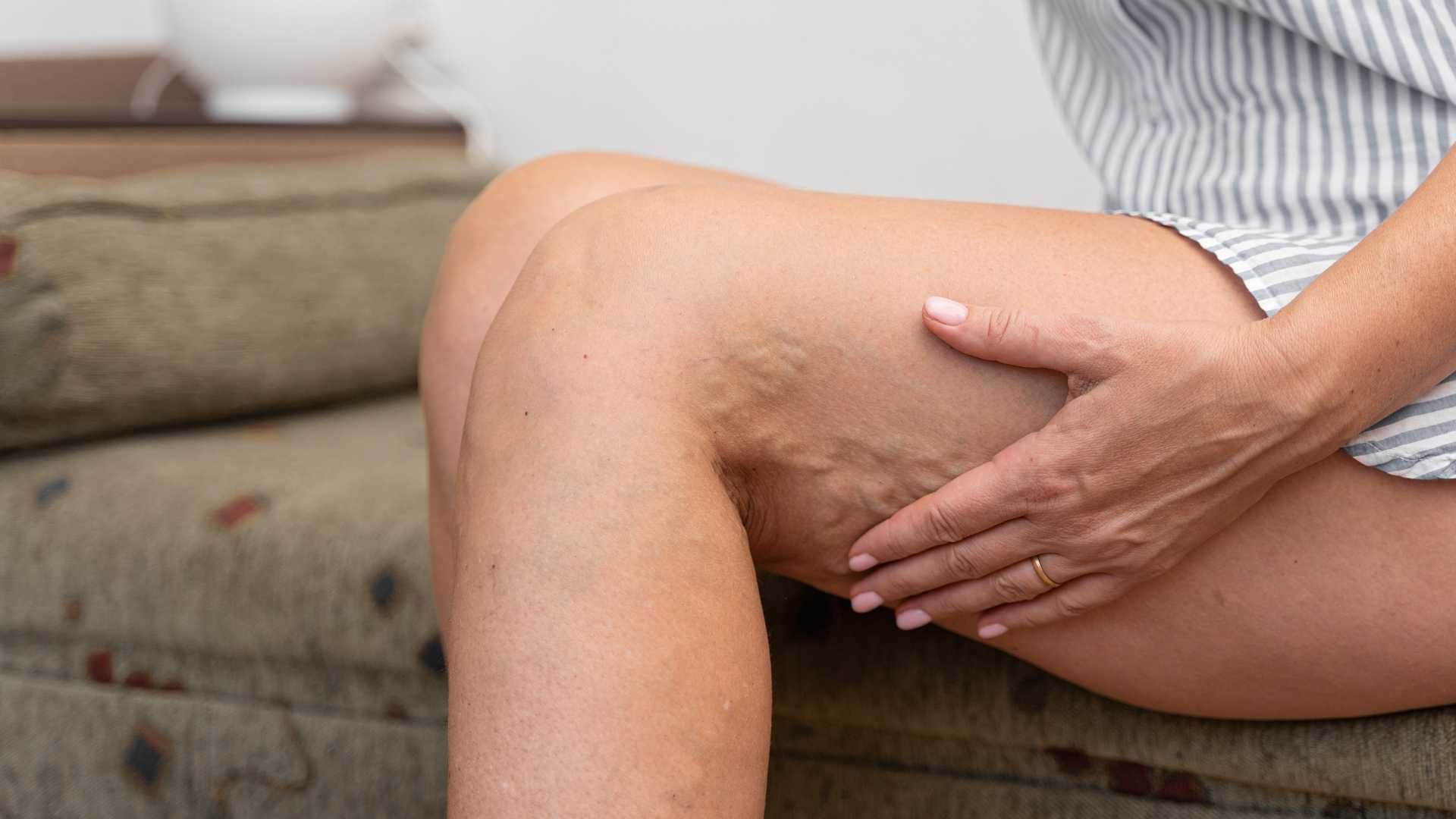
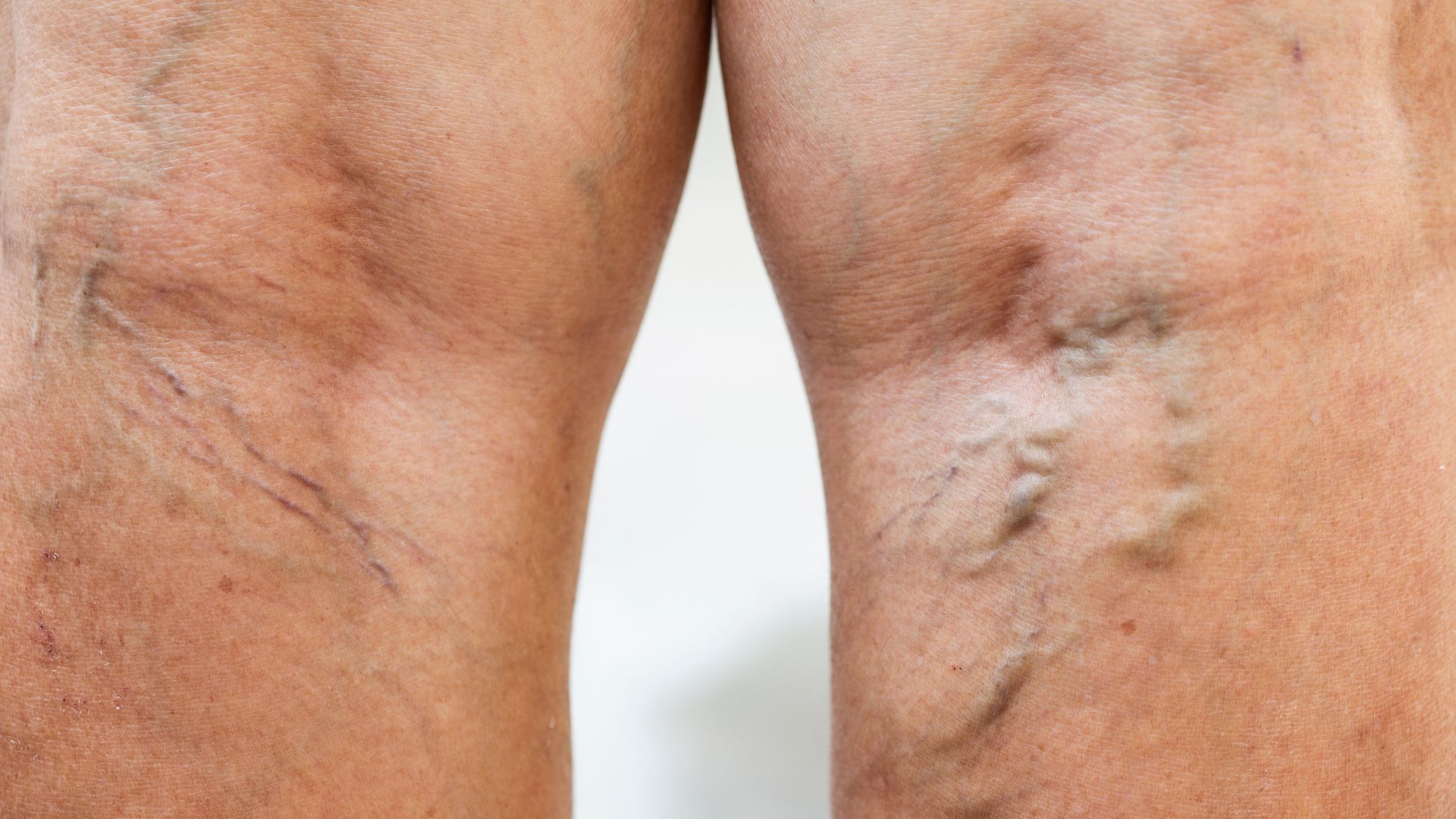
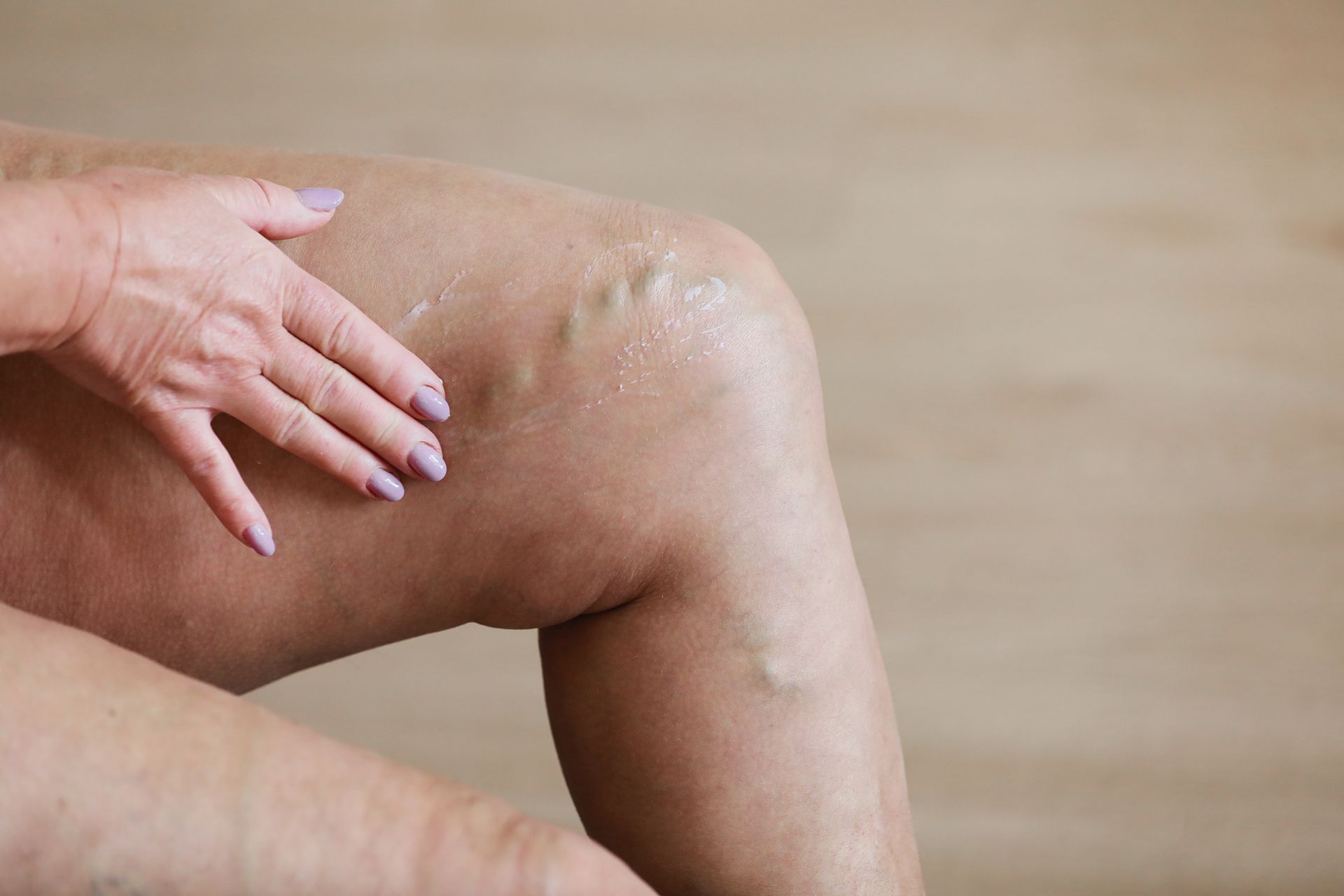
Varicose veins are enlarged, twisted veins that you can see under your skin, most commonly in your legs. They develop when the valves in your veins weaken or fail, allowing blood to pool instead of flowing back to your heart efficiently.
Warning signs include:
- Bulging, twisted veins visible under your skin
- Aching or heavy feeling in your legs
- Swelling in your lower legs
- Skin color changes around the affected veins
- Itching around the veins
While often considered a cosmetic concern, varicose veins can cause discomfort and lead to more serious problems if left untreated.
Chronic Venous Insufficiency
This condition occurs when your leg veins don't allow blood to flow back up to your heart properly. Blood can pool in your legs, causing various symptoms.
Warning signs include:
- Swelling in your legs and ankles
- Aching, tired, or heavy legs
- Skin changes or discoloration
- Varicose veins
- Leg ulcers in severe cases
Spider Veins
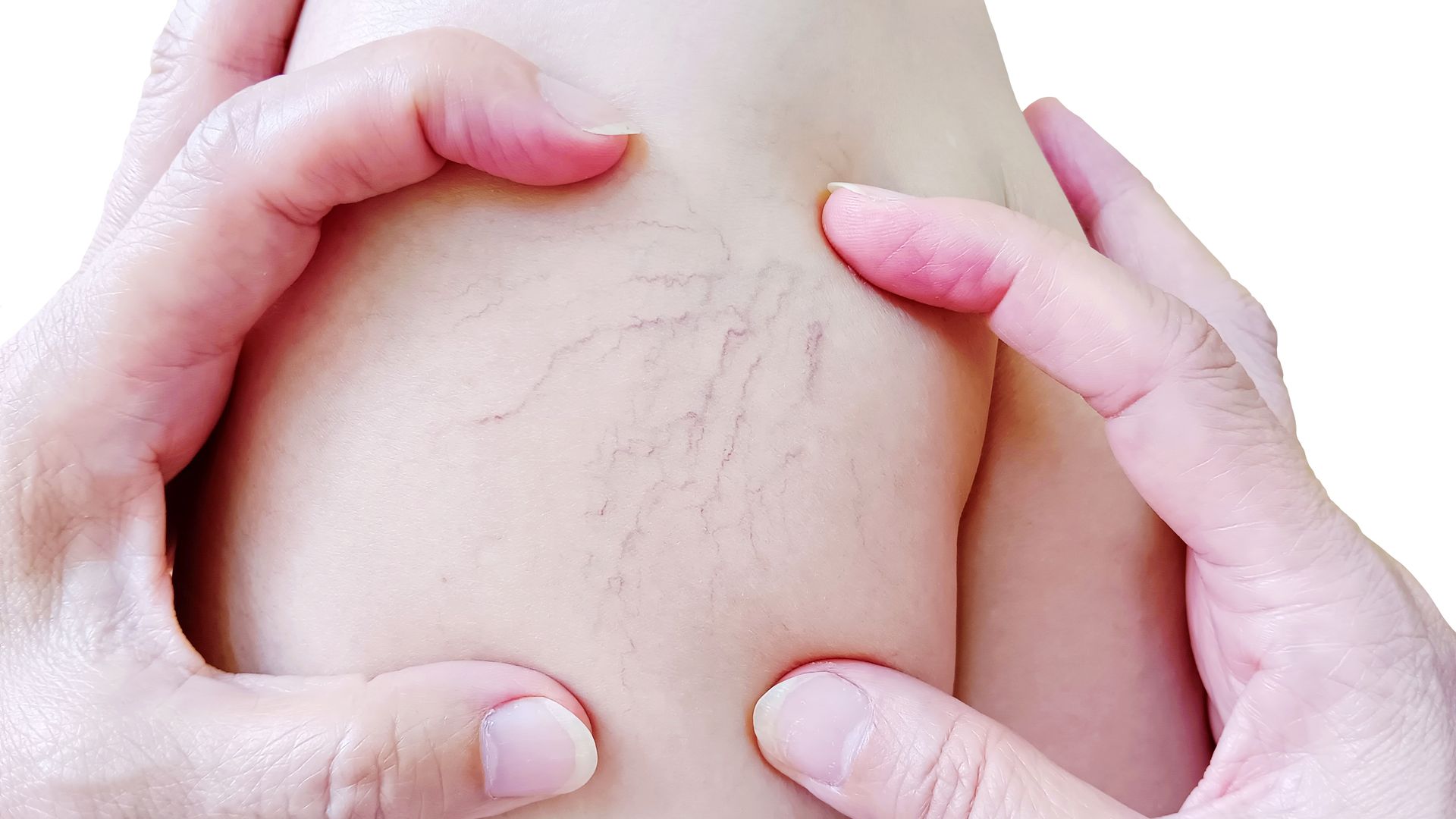
Spider veins are smaller, web-like clusters of tiny veins visible near your skin's surface. While usually not painful, many people seek treatment for cosmetic reasons.
Venous Stasis Ulceration
These are open sores that develop on the legs due to poor circulation in the veins. They can be difficult to heal without proper vascular treatment.
Risk Factors for Vascular Disease
Certain factors increase your likelihood of developing vascular problems. Some you can't change, but many you can influence through lifestyle choices.
Risk Factors You Can't Change
Age: Your risk increases as you get older, especially after age 50
Family history: If close relatives have had vascular disease, you're at higher risk
Gender: Men have higher risk for some conditions, while women face increased risk for others
Risk Factors You Can Control
Smoking: This is the single most important modifiable risk factor. Smoking damages blood vessel walls and accelerates plaque buildup
Diabetes: High blood sugar damages blood vessels over time. Keeping your diabetes well-controlled is crucial
High blood pressure: Uncontrolled hypertension puts stress on blood vessel walls
High cholesterol: Excess cholesterol contributes to plaque formation in arteries
Obesity: Extra weight increases your risk of multiple vascular conditions
Lack of physical activity: Regular movement keeps your circulation healthy
Poor diet: What you eat directly affects your vascular health
The good news? Many of these controllable risk factors respond well to lifestyle changes. Small improvements can make a big difference in your vascular health.
Prevention and Healthy Lifestyle Tips
You have more power over your vascular health than you might think. These practical steps can help prevent vascular problems or keep existing conditions from getting worse:
Get Moving
Regular physical activity is one of the best things you can do for your circulation. You don't need to run marathons. Even moderate exercise like brisk walking for 30 minutes most days of the week can significantly improve your vascular health.
Exercise helps by:
- Improving blood flow throughout your body
- Strengthening your heart
- Helping control weight, blood pressure, and cholesterol
- Reducing inflammation in blood vessels
Start where you are. If you're not active now, begin with short walks and gradually increase your time and intensity.
Eat for Healthy Blood Vessels
Your diet plays a huge role in vascular health. Focus on:
Fruits and vegetables: Aim for a colorful variety. They're packed with antioxidants and nutrients that protect blood vessels
Whole grains: Choose whole grain bread, brown rice, and oatmeal instead of refined grains
Lean proteins: Fish, poultry, beans, and nuts provide protein without excessive saturated fat
Healthy fats: Olive oil, avocados, and fatty fish contain fats that actually help your vascular system
Limit: Saturated fats, trans fats, excess salt, and added sugars
Healthy habits play a crucial role in preventing vascular problems, and small dietary changes can add up to big improvements.
Quit Smoking
If you smoke, quitting is the single most important step you can take for your vascular health. Smoking damages blood vessel walls, reduces oxygen in your blood, and increases the risk of blood clots.
Quitting isn't easy, but support is available. Talk to your doctor about smoking cessation programs, medications, or counseling that can help you succeed.
Maintain a Healthy Weight
Excess weight puts additional strain on your circulatory system and increases risk for conditions like diabetes and high blood pressure. Even modest weight loss (5-10% of your body weight) can improve your vascular health.
Manage Chronic Conditions
If you have diabetes, high blood pressure, or high cholesterol, work closely with your healthcare team to keep these conditions well-controlled. Take medications as prescribed, monitor your levels regularly, and follow your doctor's recommendations.
Stay Hydrated
Drinking enough water helps maintain healthy blood flow. Dehydration can make your blood thicker and harder to pump through your vessels.
Avoid Prolonged Sitting or Standing
Long periods without movement can affect circulation, especially in your legs. If you sit for work:
- Stand up and walk around every hour
- Do ankle circles and leg stretches at your desk
- Consider a standing desk or walking meetings
If you stand for long periods:
- Shift your weight frequently
- Take sitting breaks when possible
- Wear compression stockings if recommended
Elevate Your Legs
When resting, try elevating your legs above heart level for 15-20 minutes. This helps blood flow back to your heart more easily and can reduce swelling.
When to See a Vascular Specialist
Don't wait for symptoms to become severe before seeking help. Early evaluation and treatment can prevent serious complications. Consider scheduling an appointment if you experience:
- Leg pain or cramping when walking that improves with rest
- Persistent leg swelling
- Visible varicose or spider veins
- Numbness or weakness in your legs
- Wounds on your legs or feet that heal slowly
- Color or temperature changes in your legs
- Family history of vascular disease and personal risk factors
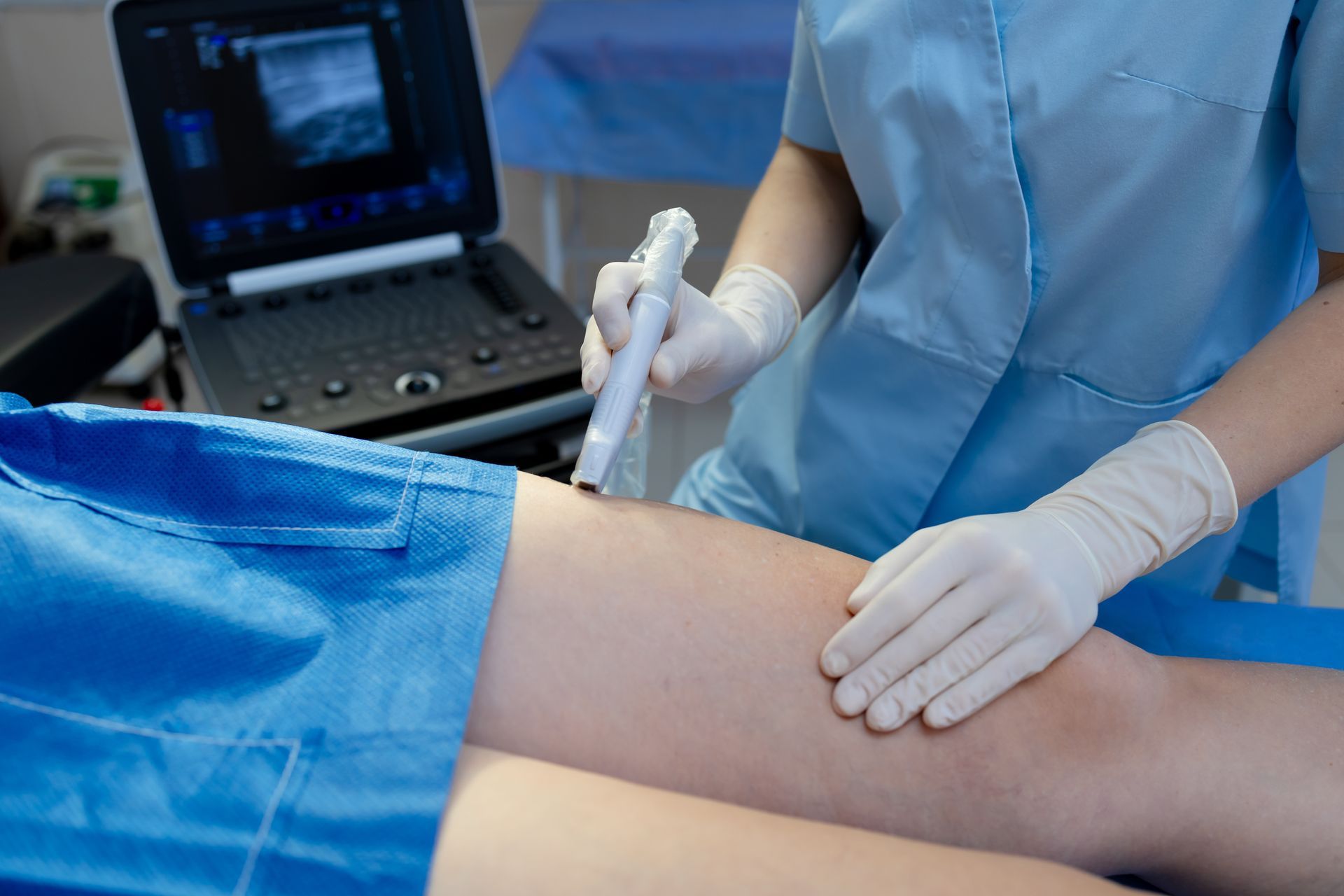
At Ascent Vascular, our experienced team specializes in diagnosing and treating the full range of vascular conditions. We use advanced diagnostic tools like vascular ultrasound to get a clear picture of your vascular health.
Diagnostic Tests and What to Expect
Understanding what diagnostic tests involve can help reduce anxiety about your appointment. Here are common tests we use:
Vascular Ultrasound
This painless test uses sound waves to create images of your blood vessels and measure blood flow. It's the most common diagnostic tool for vascular conditions and requires little to no preparation. Most ultrasounds take 30-60 minutes.
Ankle-Brachial Index (ABI)
This simple test compares blood pressure in your ankle to blood pressure in your arm. A significant difference can indicate peripheral arterial disease. The test is quick, non-invasive, and painless.
Physical Examination
Your vascular specialist will examine your legs and feet, check pulses, look for swelling or color changes, and ask about your symptoms and medical history.
Based on these initial evaluations, we'll determine if additional testing is needed and develop a personalized treatment plan.
Treatment Options
Modern vascular medicine offers many effective treatment options, from conservative approaches to advanced minimally invasive procedures.
Conservative Treatments
For many vascular conditions, lifestyle modifications and medications form the foundation of treatment:
- Structured exercise programs
- Dietary changes
- Medications to manage blood pressure, cholesterol, or prevent blood clots
- Compression stockings for venous conditions
- Wound care for ulcers
Minimally Invasive Procedures
When more intervention is needed, we offer advanced procedures that typically involve:
For Varicose Veins:
- Radiofrequency ablation (uses heat to close damaged veins)
- VenaSeal (medical adhesive to seal veins)
- Sclerotherapy (injection to close smaller veins)
- Microphlebectomy (removal of surface veins through tiny incisions)
For Arterial Disease:
- Angioplasty (balloon to open narrowed arteries)
- Stenting (placing a small tube to keep arteries open)
Most of these procedures are performed in-office with local anesthesia, involve minimal discomfort, and allow you to return to normal activities quickly.
Living with a Vascular Condition
Being diagnosed with a vascular condition doesn't mean giving up the life you love. With proper treatment and self-care, many people manage their conditions successfully and maintain active, fulfilling lives.
Follow Your Treatment Plan
Take medications as prescribed, attend follow-up appointments, and communicate with your healthcare team about any changes in symptoms.
Stay Active Within Your Abilities
Work with your doctor to develop an appropriate exercise plan. Movement is medicine for vascular conditions, even if you need to start slowly.
Monitor Your Symptoms
Keep track of any changes. Are symptoms getting better, worse, or staying the same? This information helps your doctor adjust treatment as needed.
Build a Support Network
Connect with family, friends, or support groups who understand what you're going through. Managing a chronic condition is easier when you don't feel alone.
Focus on What You Can Control
You can't change your diagnosis, but you can influence how you respond to it. Focus your energy on healthy habits, following treatment recommendations, and maintaining a positive outlook.
Seasonal Vascular Health Tips
Different seasons bring different challenges for vascular health:
Winter
Cold weather can worsen circulation symptoms. Keep legs warm, stay active indoors if needed, and avoid prolonged exposure to cold.
Spring
Great time for a vascular health check-up and to restart outdoor exercise routines.
Summer
Hot weather can cause leg swelling. Stay hydrated, wear compression stockings if recommended, and elevate legs when resting.
Fall
Cooler weather is perfect for walking programs. Take advantage of comfortable temperatures to establish healthy exercise habits.
Questions to Ask Your Vascular Specialist
Coming prepared with questions helps you get the most from your appointment:
- What's causing my symptoms?
- What tests do I need?
- What are my treatment options?
- What are the risks and benefits of each option?
- How will this condition affect my daily life?
- What lifestyle changes should I make?
- How often do I need follow-up appointments?
- What symptoms should prompt me to call you?
- Are there activities I should avoid?
- What's the long-term outlook for my condition?
Don't hesitate to ask for clarification if you don't understand something. We're here to help you fully understand your vascular health.
FAQs About Vascular Health
At what age should I start worrying about vascular health?
Vascular health matters at every age, but risk increases after 50. However, if you have risk factors like smoking, diabetes, or family history, you should be aware even younger. Prevention through healthy lifestyle choices benefits you at any age.
Can vascular disease be reversed?
Some vascular damage can't be completely reversed, but many conditions can be significantly improved with treatment and lifestyle changes. Early intervention offers the best chance for improvement and prevents progression.
Is vascular disease hereditary?
Family history does increase your risk, but it's not destiny. Even with genetic predisposition, lifestyle choices significantly influence whether you develop vascular disease and how severe it becomes.
Do I need a referral to see a vascular specialist?
This depends on your insurance plan. Some require referrals while others don't. Call our office at (970) 926-1003 and we can help you determine what your insurance requires.
How often should I have vascular screenings?
This varies based on your risk factors and existing conditions. Generally, people with risk factors should discuss screening with their doctor. Those with known vascular conditions need regular monitoring as recommended by their specialist.
Can exercise make vascular problems worse?
For most vascular conditions, appropriate exercise actually helps improve symptoms and overall health. However, work with your doctor to develop an exercise plan that's safe and effective for your specific situation.
What's the difference between a vascular surgeon and a vascular specialist?
These terms are often used interchangeably. Both are doctors who specialize in treating diseases of the blood vessels. At Ascent Vascular, we focus on both surgical and non-surgical treatments for vascular conditions.
Are vascular treatments covered by insurance?
Most medically necessary vascular treatments are covered by insurance, though coverage varies by plan. Our team can help verify your benefits and answer questions about costs.
FAQs About Ascent Vascular Specialist and Vein Center
What makes Ascent Vascular different from other vascular practices?
We combine advanced technology with personalized, compassionate care in a convenient mountain community location. Our focus is on minimally invasive treatments that get you back to the activities you love as quickly as possible.
Do you treat both arterial and venous conditions?
Yes, we provide comprehensive care for all types of vascular conditions, including both arterial diseases like PAD and venous conditions like varicose veins and DVT.
How quickly can I get an appointment?
We strive to see patients promptly, especially those with urgent concerns. Call us at (970) 926-1003 and we'll work to accommodate your schedule as quickly as possible.
Do you accept Medicare and other insurance?
Yes, we work with most major insurance plans including Medicare. Contact our office to verify that we accept your specific insurance.
Can you help with second opinions?
Absolutely. We welcome patients seeking second opinions and will carefully review your case to provide expert guidance on your treatment options.
What should I bring to my first appointment?
Bring your insurance card, photo ID, current medication list, and any previous vascular test results or imaging studies. If you're coming from another provider, having your medical records can be helpful.
Is your office wheelchair accessible?
Yes, our Edwards location is fully accessible for patients with mobility challenges.
Do you offer virtual consultations?
For certain situations, we may offer telemedicine appointments. Call our office to discuss whether a virtual visit is appropriate for your needs.
Take Charge of Your Vascular Health Today
Your vascular system works hard every day to keep you healthy and active. Taking care of it through healthy lifestyle choices, regular check-ups, and prompt attention to warning signs can help you enjoy a long, active life.
At Ascent Vascular Specialist and Vein Center, we're dedicated to helping you achieve and maintain optimal vascular health. Whether you're dealing with symptoms that concern you, have been diagnosed with a vascular condition, or simply want to be proactive about prevention, we're here to help.
Our state-of-the-art facility in Edwards, Colorado, serves patients throughout the Vail Valley and surrounding mountain communities. We combine the latest diagnostic technology with proven treatment methods and a patient-centered approach that puts your needs first.
Ready to learn more about your vascular health? Contact us today to schedule a consultation. Call our Edwards office at (970) 926-1003 or request an appointment online.
Visit us at: Ascent Vascular Specialist and Vein Center 1140 Edwards Village Blvd. B204 Edwards, CO 81632
You can also explore our patient testimonials to hear from others we've helped, visit our blog for more vascular health information, or learn more about our team and our commitment to exceptional vascular care.
Your journey to better vascular health starts with a single step. Let us help you take that step today.
Disclaimer: The information provided on this blog is for general informational purposes only and is not intended as, and should not be considered, medical advice. All information, content, and material available on this blog are for general informational purposes only. Readers are advised to consult with a qualified healthcare professional for medical advice, diagnosis, or treatment. The author and the blog disclaim any liability for the decisions you make based on the information provided. Always seek the advice of your physician or other qualified health provider with any questions you may have regarding a medical condition.