Varicose Veins vs. Spider Veins: What's the Difference?
Key Points
- Spider veins are small, web-like clusters of tiny veins visible near the skin's surface, while varicose veins are larger, bulging, twisted veins
- Spider veins are usually painless and primarily a cosmetic concern, while varicose veins often cause symptoms like aching, heaviness, and swelling
- Both conditions result from weak or failing vein valves but differ in severity and treatment approaches
- Spider veins typically don't lead to serious health complications, while untreated varicose veins can progress to more serious conditions
- Both respond well to modern, minimally invasive treatments available at Ascent Vascular
You've Noticed Something Unusual in Your Legs
You're looking at your legs one day and notice some veins that look different than usual. Maybe they're red or purple, visible on the surface, and they look a bit like a spider's web. Or perhaps you're seeing larger, bulging veins that twist and turn under your skin. Either way, you might be wondering: is this serious? Are they the same thing? Do I need to do something about it?
You're not alone. Millions of Americans deal with visible vein problems, and many aren't sure whether what they're seeing is a cosmetic issue or something that needs medical attention. The good news? Understanding the difference between spider veins and varicose veins is the first step to deciding what, if anything, you should do about them.
At Ascent Vascular, we treat both conditions regularly, and we can help you understand what you're seeing and what your options are.
What Are Spider Veins?
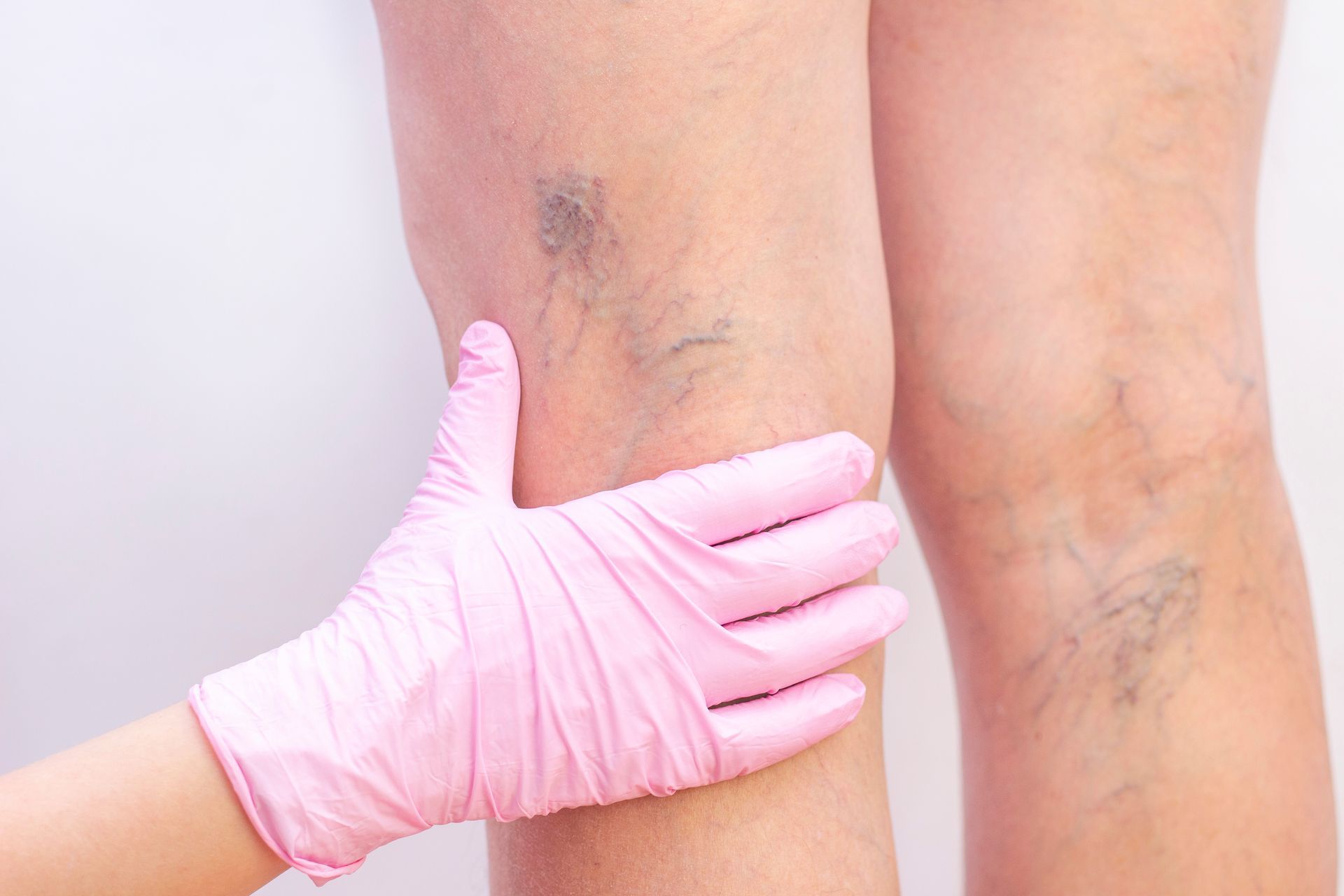
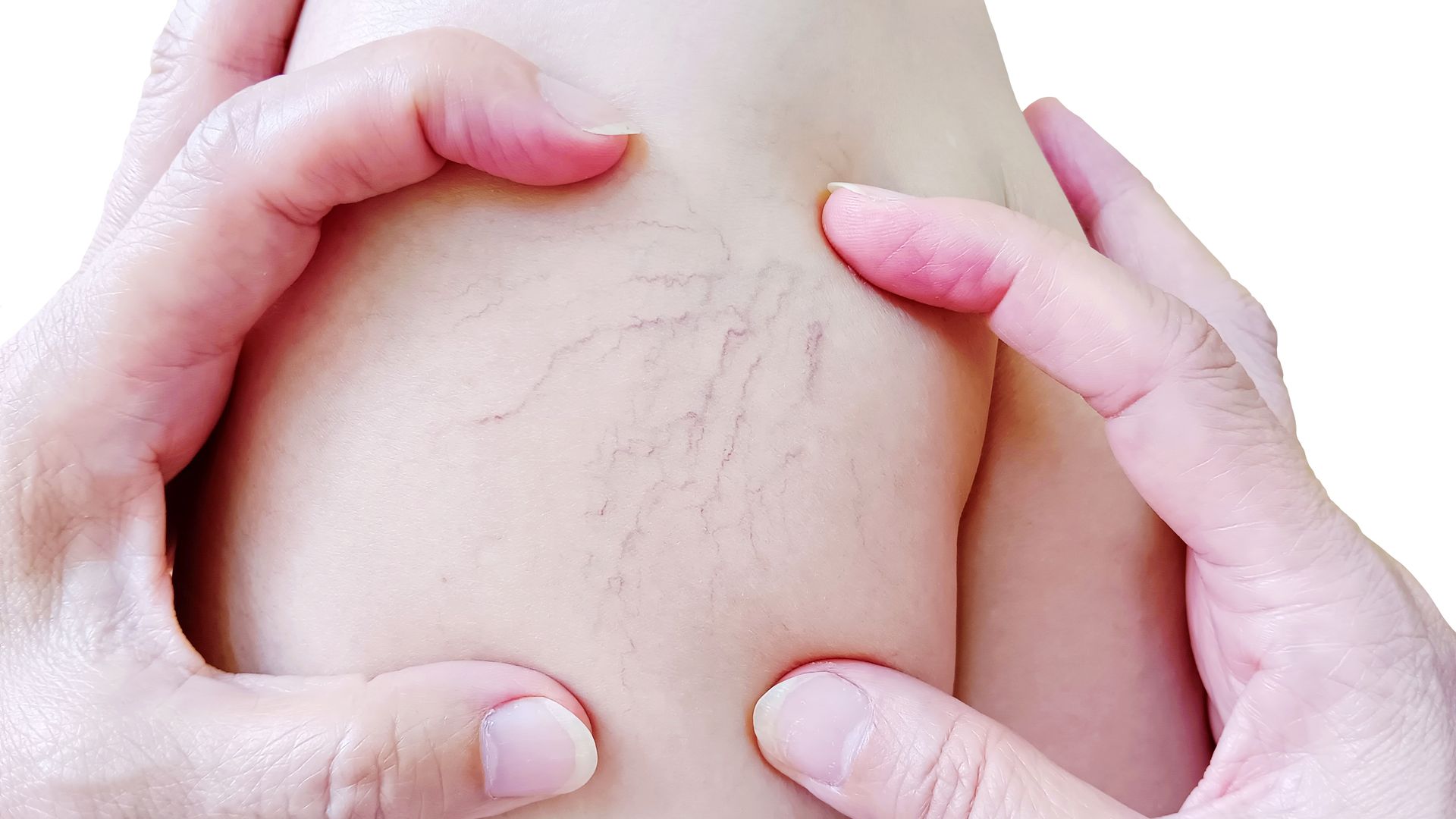
Spider veins are small, web-like or branch-like clusters of veins that appear on or near the skin's surface. They're called spider veins because of their appearance, which resembles a spider's web or the branches of a tree.
How They Look
Spider veins are typically:
Small and fine. Individual spider veins are much thinner than varicose veins, often about the width of a hair or slightly thicker. You can usually see them clearly but they don't bulge outward from the skin.
Red, purple, or blue. The color depends on whether you're looking at arteries or veins and the oxygenation level of the blood they contain.
Clustered together. Spider veins usually appear in groups, creating that web-like or branching pattern that gives them their name.
Located near the surface. You'll typically find them on the legs, thighs, ankles, or sometimes on the face or chest.
Why They Develop
Spider veins form when the tiny valves inside small veins weaken or fail. Veins have one-way valves that keep blood flowing toward your heart. When these valves don't work properly, blood pools backward instead of flowing upward. This causes the veins to become enlarged and visible through the skin.
Several factors increase spider vein risk:
Heredity. If your parents or grandparents had spider veins, you're more likely to develop them.
Prolonged sitting or standing. Jobs or activities that keep you in one position for long stretches increase risk.
Pregnancy. Hormonal changes and increased blood volume during pregnancy can trigger spider veins.
Age. Spider veins become more common as you get older and your vein valves naturally weaken.
Sun exposure. Extended sun exposure, especially on the face, can damage small blood vessels and cause spider veins.
Certain medications. Some medications that affect hormone levels or circulation can contribute to spider vein formation.
Excess weight. Extra weight puts additional pressure on your veins, making it harder for them to pump blood upward.
What Are Varicose Veins?
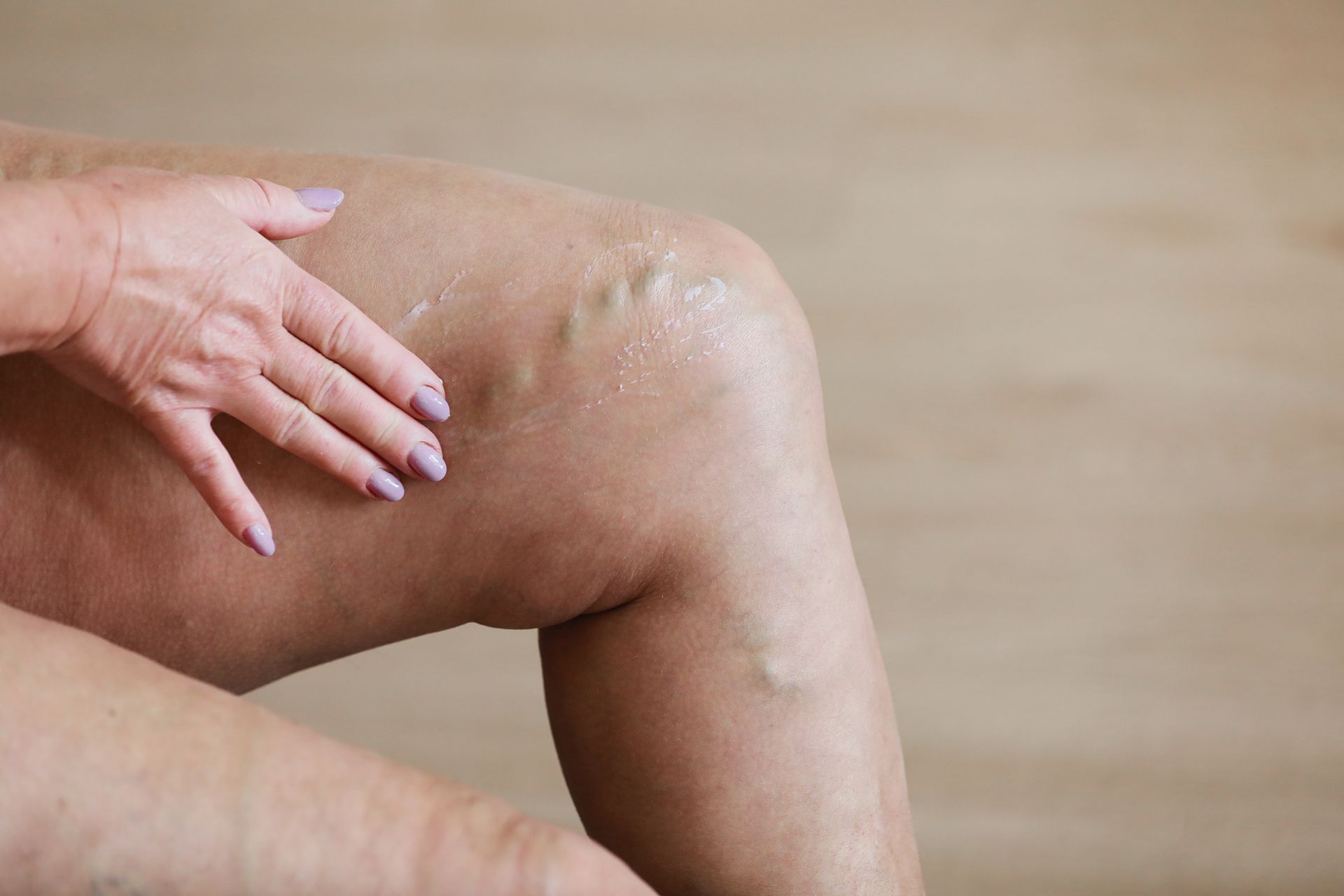
Varicose veins are larger, twisted, bulging veins that you can see through the skin. They're noticeably different from spider veins in size, appearance, and the symptoms they cause.
How They Look
Varicose veins are typically:
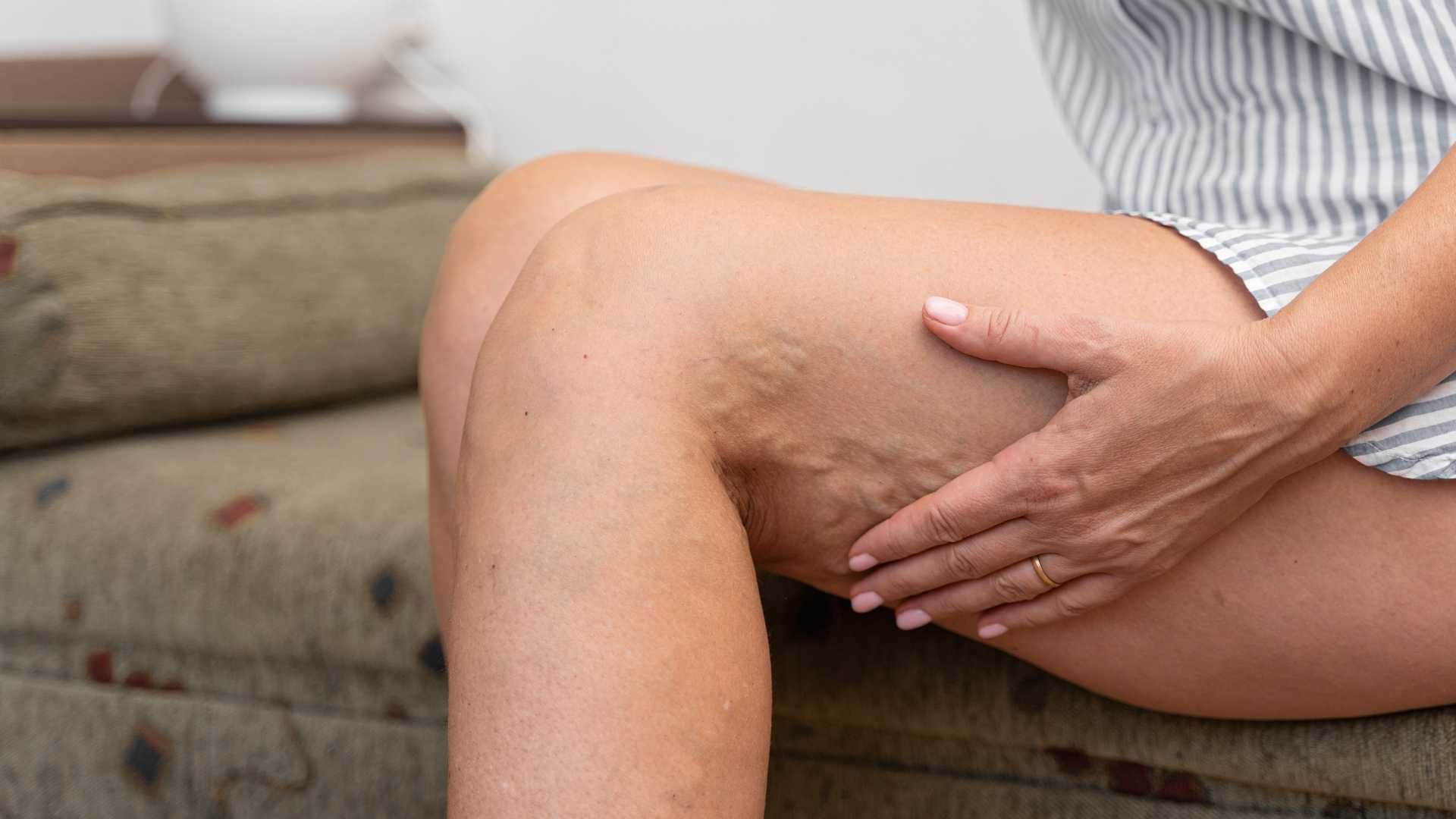
Large and prominent. Varicose veins are much thicker than spider veins. They can be as thick as a pencil or larger, and they often bulge outward from your skin.
Twisted and gnarled. Instead of running in a straight line, varicose veins often twist and turn, creating a lumpy, rope-like appearance.
Dark purple or blue. Varicose veins usually appear darker in color than spider veins because they contain blood that's returning to the heart and has already given up its oxygen.
Raised above the skin surface. You can often feel varicose veins with your fingers. They may feel firm and thick beneath the skin.
Typically on the legs. While varicose veins most commonly affect the legs and calves, they can appear on other parts of the body.
Why They Develop
Like spider veins, varicose veins develop when vein valves weaken or fail, allowing blood to pool and veins to enlarge. However, varicose veins involve larger, deeper veins than spider veins, which is why they're bigger and more noticeable.
Risk factors for varicose veins include:
Age. Risk increases significantly after age 50 as vein valves naturally weaken over time.
Family history. If close relatives have varicose veins, you're at much higher risk.
Pregnancy. Increased blood volume and hormonal changes during pregnancy commonly trigger varicose veins.
Prolonged standing or sitting. Especially in occupations that require being in one position all day.
Excess weight or obesity. Extra weight increases pressure within veins.
Previous leg injury or surgery. Damage to veins from injury or surgery can lead to varicose veins.
Certain professions. Jobs requiring prolonged standing (nursing, retail, teaching) increase risk.
Hormonal factors. Estrogen and progesterone changes from birth control pills, hormone replacement therapy, or menopause can contribute.
Key Differences: Spider Veins vs. Varicose Veins
Now let's compare the two side by side so you understand exactly what makes them different.
Size and Appearance
Spider veins are tiny and delicate, visible as fine lines or web-like patterns. Varicose veins are large, bulging, and twisted, creating a rope-like appearance that's very noticeable.
Symptoms
Spider veins are usually painless. Most people have no symptoms beyond the cosmetic appearance.
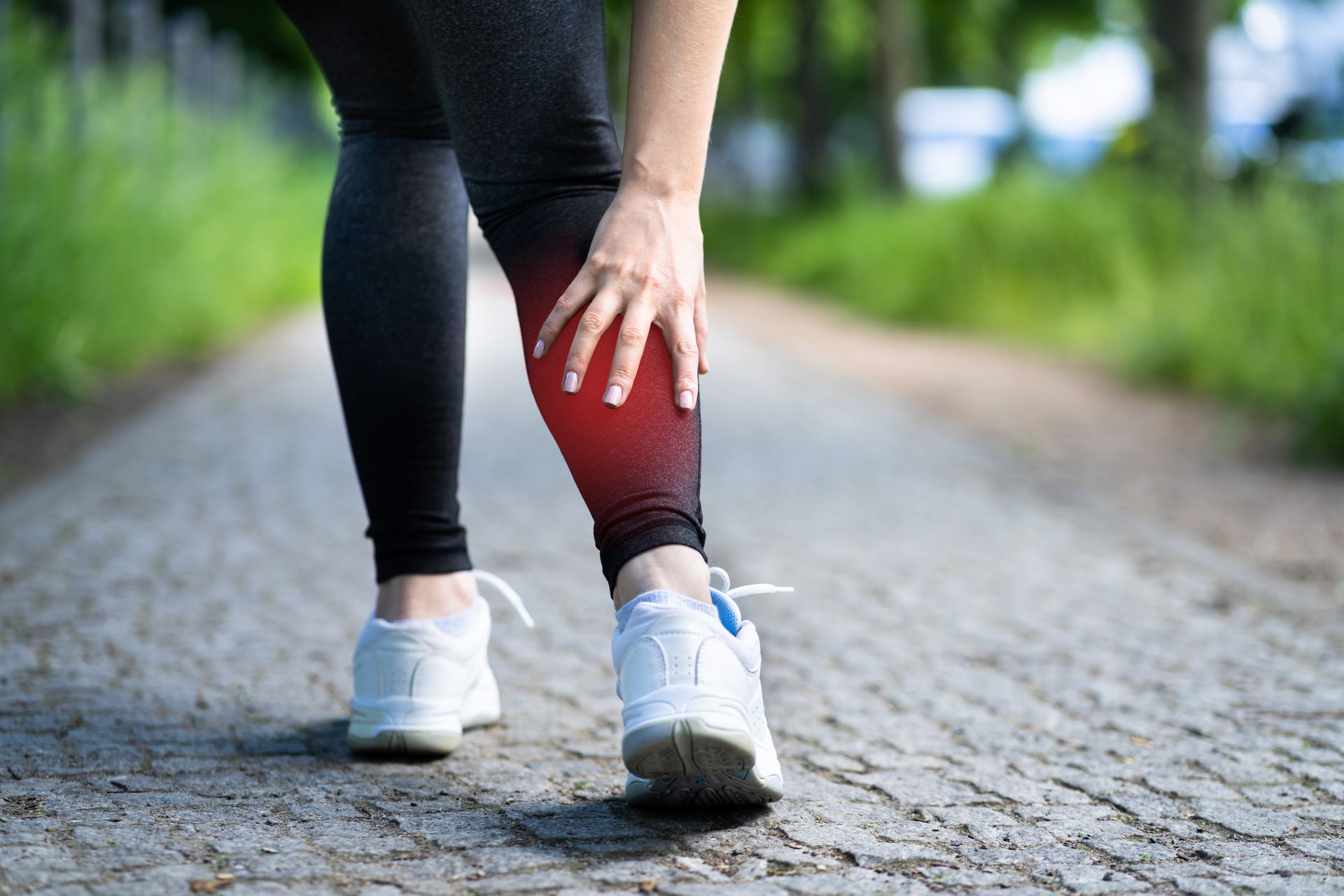
Varicose veins often cause symptoms including leg pain or aching, heaviness or fatigue in the legs, swelling in the ankles and feet, burning or itching around the veins, skin discoloration or darkening around the veins, and sometimes cramping.
Depth in the Skin
Spider veins are superficial, located just below the skin surface in tiny capillaries and small veins.
Varicose veins involve deeper veins that run further beneath the skin's surface.
Complications Risk
Spider veins rarely cause serious health complications. They're primarily a cosmetic concern.
Varicose veins can lead to more serious conditions if left untreated, including chronic venous insufficiency, venous stasis ulcers (slow-healing wounds), blood clots, and skin darkening or texture changes.
Treatment Options
Spider veins respond well to sclerotherapy (injection treatment) and laser therapy. These are relatively quick, minimally invasive procedures.
Varicose veins may require stronger treatments like radiofrequency ablation, VenaSeal, sclerotherapy for smaller varicose veins, or in some cases, more invasive procedures. You can explore all available vein treatment options on our treatments page.
When Spider Veins Might Need Attention
Most people treat spider veins for cosmetic reasons. If they don't bother you visually, there's usually no medical reason to treat them. However, you might consider treatment if:
They affect your appearance and confidence. If spider veins make you self-conscious about wearing shorts, skirts, or swimsuits, treatment can help restore your confidence.
They occur on visible areas like your face. Facial spider veins can be treated with laser therapy for cosmetic improvement.
You have a family history of worsening vein disease. If your family tends to develop varicose veins over time, treating spider veins early might prevent progression.
They're associated with skin sensitivity. Rarely, the skin around spider veins becomes sensitive or irritated.
The good news is that spider vein treatment is elective. You can choose to treat them or leave them alone with no serious health consequences.
When Varicose Veins Need Attention
Unlike spider veins, varicose veins often warrant medical evaluation and treatment, especially if:
You're experiencing symptoms. Leg pain, swelling, heaviness, or skin changes deserve evaluation.
They're progressively worsening. If veins are becoming more prominent or symptoms increasing over time, see a specialist.
You have visible swelling. Swelling in your legs and ankles, especially if it's getting worse, suggests your veins aren't functioning properly.
You're noticing skin changes. Dark spots, texture changes, or thickening skin around varicose veins can indicate chronic venous insufficiency.
You have a family history of vein problems. This increases your risk of complications.
You're having difficulty with daily activities. If leg pain or heaviness is limiting your mobility or quality of life, treatment can help.
You have or are at risk for blood clots. Certain varicose veins carry higher clot risk, especially if you're immobile or have family history of clotting disorders.
Treatment: What to Expect
Both spider veins and varicose veins respond well to modern treatments. At Ascent Vascular, we offer several options.
Spider Vein Treatments
Sclerotherapy is the most common treatment. A medication is injected directly into the spider vein, causing it to collapse and fade. Multiple injections might be needed, but the procedure is quick and minimally invasive. Results typically appear within a few weeks.
Laser therapy uses focused light energy to damage the vein wall, causing the vein to collapse. This works particularly well for facial spider veins and is also minimally invasive.
Both treatments are done in-office with little to no downtime. You can usually return to normal activities immediately or within a day.
Varicose Vein Treatments
Sclerotherapy can also treat smaller varicose veins using stronger medication than used for spider veins.
Radiofrequency ablation (ClosureFast) uses heat energy to collapse the vein from the inside. A small catheter delivers radiofrequency energy through the vein wall, causing it to shrink and close. This is very effective for larger varicose veins.
VenaSeal Closure System uses medical adhesive to seal the vein shut. This newer technique is very effective and requires no anesthesia or tumescent solution.
Verithena Microfoam uses a special foam to close veins. It's injected directly into the varicose vein, causing it to collapse.
Microphlebectomy involves removing surface varicose veins through tiny incisions. Often combined with other treatments for best results.
Most varicose vein treatments are minimally invasive, done in-office, and require minimal recovery time. You might have some bruising or mild discomfort, but most people return to normal activities within a few days.
Prevention: Can You Avoid These Veins?
While you can't control genetics, you can reduce your risk and slow progression through lifestyle changes:
Stay active. Regular movement, especially walking, helps keep blood flowing upward through your veins.
Avoid prolonged sitting or standing. Take breaks every hour. Move around and stretch.
Keep legs elevated. When resting, prop your legs up on a pillow to help blood flow back to your heart.
Maintain healthy weight. Extra weight increases pressure on your veins.
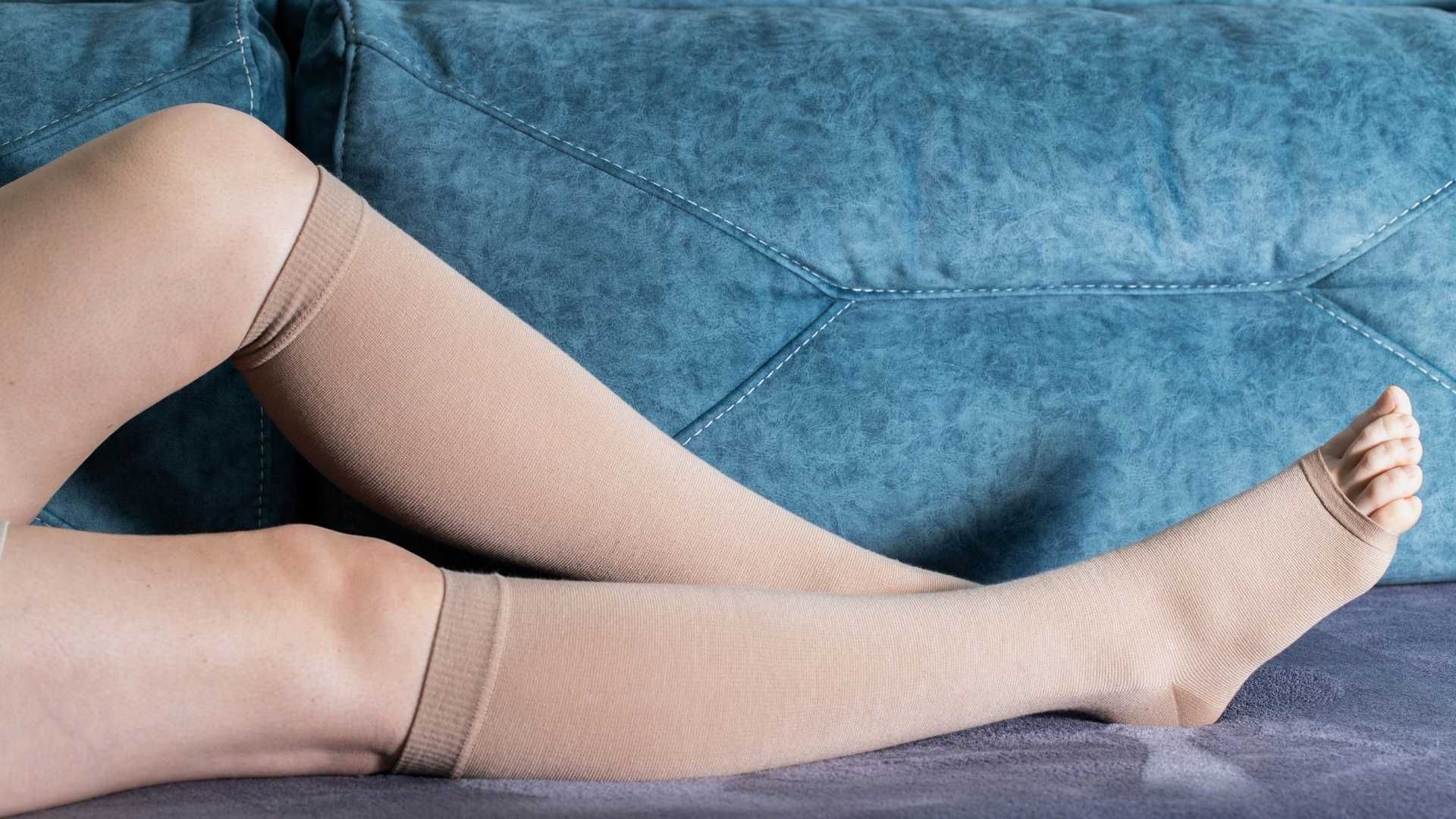
Wear compression stockings. If you're at risk, compression stockings help support blood flow.
Stay hydrated. Proper hydration helps keep blood at a good viscosity for circulation.
Avoid excess heat. Heat dilates veins, making them work harder. Skip lengthy hot baths and keep sun exposure reasonable.
Exercise regularly. Walking, swimming, cycling, and other moderate exercise strengthen your circulatory system.
Eat a healthy diet. Foods low in salt and sugar and high in fiber support vascular health.
Should You Be Worried?
If you've noticed spider veins, you can typically relax. They're not dangerous, though you might want treatment for cosmetic reasons.
If you've noticed varicose veins, especially if you're having symptoms, scheduling an evaluation is wise. While varicose veins aren't immediately life-threatening, they can worsen over time and lead to complications. Early evaluation and treatment prevent problems down the road.
At
Ascent Vascular, we can do a
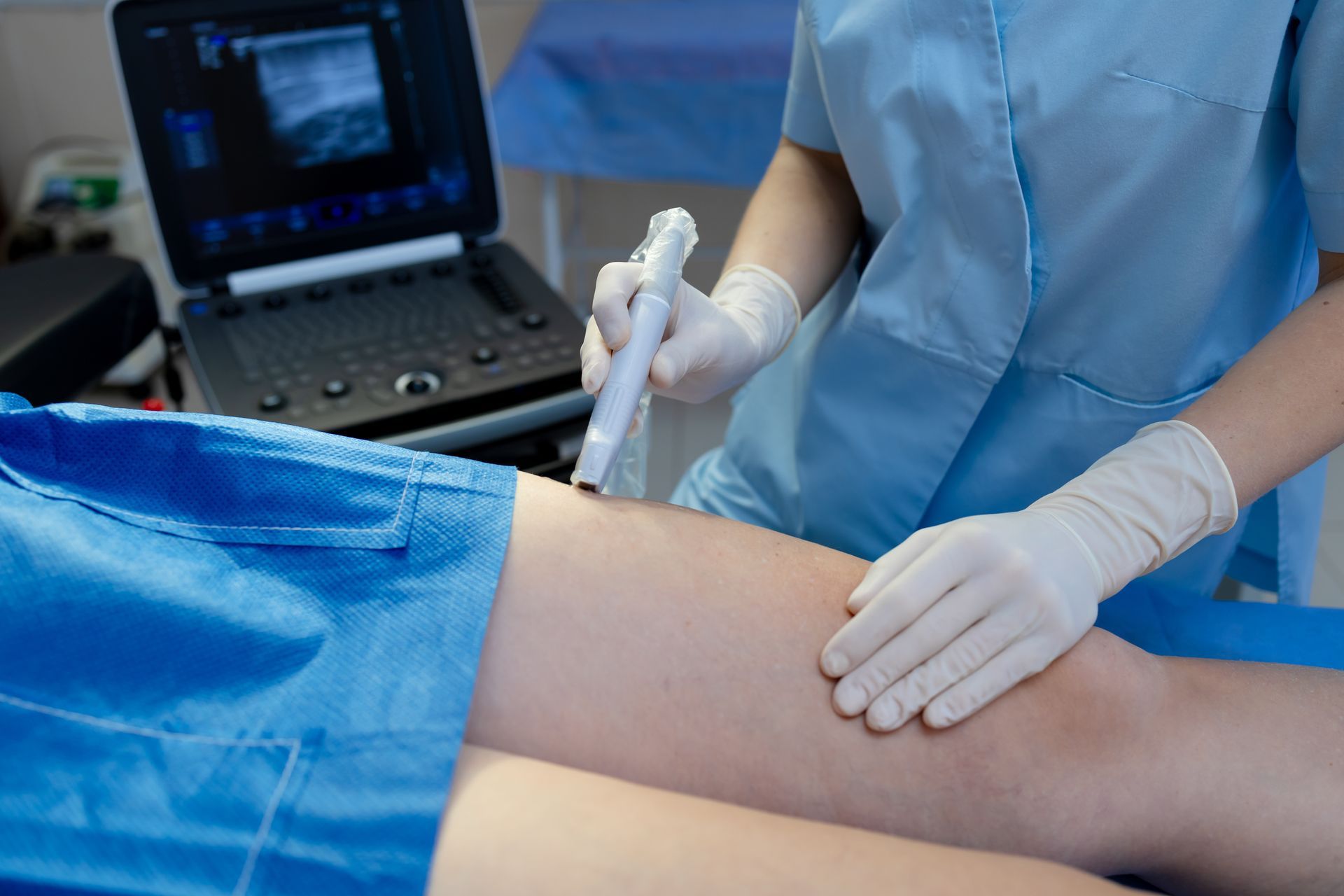
vascular ultrasound to assess your veins and determine whether treatment is needed or recommended. If it is, we can discuss your options and help you choose the best approach for your situation.
FAQs About Spider Veins and Varicose Veins
Can spider veins turn into varicose veins?
Spider veins and varicose veins develop from the same underlying cause (weak vein valves), but spider veins don't "turn into" varicose veins. However, if you're prone to vein problems, you might develop both conditions. Having spider veins might indicate you're at risk for varicose veins later.
Is it normal to have both spider and varicose veins?
Yes. Many people have both conditions. The same factors that cause one can cause the other.
Do spider veins hurt?
Typically no. Spider veins are usually painless. If you're experiencing pain in an area with spider veins, it might be something else.
Can varicose veins disappear on their own?
No. Varicose veins don't go away without treatment. However, they might not progress for years. But once they develop, they generally require treatment to resolve.
Are varicose veins dangerous?
Most varicose veins aren't immediately dangerous, but they can lead to complications like blood clots, skin ulcers, or significant discomfort if left untreated for many years.
Can you get varicose veins from crossing your legs?
No. Crossing your legs doesn't cause varicose veins, though it temporarily restricts blood flow. The myth likely comes from the fact that prolonged sitting (which people often do while crossing their legs) does increase risk.
What's the difference between varicose veins and a blood clot?
Varicose veins are enlarged veins due to weak valves. A blood clot is a clump of blood that blocks circulation. They're different conditions. However, people with varicose veins are at higher risk for blood clots.
Can exercise help varicose veins?
Exercise helps prevent varicose veins from developing and can reduce symptoms in existing veins. However, exercise alone won't eliminate varicose veins that have already formed. Treatment is needed for that.
Will insurance cover spider vein or varicose vein treatment?
Insurance typically covers varicose vein treatment if you have symptoms or complications. Spider vein treatment is usually considered cosmetic and not covered. However, coverage varies by plan, so check with your insurance.
How long do results last after treatment?
For both spider and varicose veins, treated veins don't return. However, new veins can develop over time due to the underlying tendency toward weak valves. Lifestyle modifications help prevent new veins.
FAQs About Ascent Vascular Specialist and Vein Center
What makes Ascent Vascular different from other vein treatment centers?
We combine minimally invasive treatment options with personalized care. Our team takes time to understand your concerns, whether cosmetic or medical, and recommends treatments that align with your goals. We specialize in both spider and varicose veins.
How do you determine which treatment is best for me?
During your consultation, we'll examine your veins, possibly do ultrasound imaging, discuss your symptoms and goals, and explain all available options. We'll recommend what we think will work best for your situation but respect your preferences.
Do vein treatments hurt?
Most modern vein treatments are minimally invasive and cause minimal discomfort. Local anesthesia is used, so you shouldn't feel pain during procedures. Mild soreness afterward is possible but usually manageable with over-the-counter pain medication.
How long does treatment take?
Spider vein sclerotherapy typically takes 15-30 minutes. Varicose vein treatments usually take 30-60 minutes depending on the extent of veins being treated.
What's the recovery like?
Most people return to normal activities within a few days. You might experience some bruising, mild pain, or temporary swelling, but these are usually minor. We'll give you specific aftercare instructions.
Can I see results right away?
Spider vein treatment results appear gradually over several weeks to months as treated veins fade. Varicose vein treatment results also develop over time as treated veins shrink and reabsorb.
Will I need multiple treatments?
This depends on your situation. Some people need just one treatment. Others, especially with extensive spider veins, might need multiple sessions spread several weeks apart.
How do I know if my veins need treatment?
If you're experiencing symptoms from varicose veins, treatment is usually worthwhile. For spider veins, treatment is optional and primarily cosmetic. We can evaluate your veins and discuss what's recommended.
Do you perform the procedures in-office?
Yes. Most spider vein and varicose vein treatments are performed in our comfortable Edwards office. You don't need to go to a hospital.
What insurance do you accept?
We work with most major insurance plans. Call our office at (970) 926-1003 to verify your coverage. We can also discuss costs for treatments that might not be covered.
Understanding Your Veins Is the First Step
Now that you understand the difference between spider veins and varicose veins, you can make informed decisions about whether and when to pursue treatment. Spider veins are usually harmless and cosmetic. Varicose veins sometimes warrant evaluation and treatment to prevent complications and improve comfort.
The key is not to ignore symptoms. If your legs are aching, swelling, or your veins are bothering you cosmetically, professional evaluation helps you understand your options and make the best choice for your situation.
At Ascent Vascular Specialist and Vein Center in Edwards, Colorado, we specialize in treating spider veins, varicose veins, and other vascular conditions. Our team uses the latest minimally invasive treatments to help you feel and look your best.
Whether you're considering treatment for cosmetic reasons or you're experiencing uncomfortable symptoms, we're here to help. Contact us today to schedule a consultation, or call our Edwards office at (970) 926-1003.
Visit us at: Ascent Vascular Specialist and Vein Center 1140 Edwards Village Blvd. B204 Edwards, CO 81632
You can also explore more about our vein treatment options, read more vascular health information on our blog, or learn about other vascular conditions we treat.
Don't let vein concerns affect your confidence or comfort. Let's talk about what's possible for you.
Disclaimer: The information provided on this blog is for general informational purposes only and is not intended as, and should not be considered, medical advice. All information, content, and material available on this blog are for general informational purposes only. Readers are advised to consult with a qualified healthcare professional for medical advice, diagnosis, or treatment. The author and the blog disclaim any liability for the decisions you make based on the information provided. Always seek the advice of your physician or other qualified health provider with any questions you may have regarding a medical condition.