Fall and Winter Travel Guide: Essential Vascular Health Tips for Cold Weather Trips
Key Points
- Cold weather travel increases vascular health risks due to reduced movement, dehydration, and temperature extremes
- Compression stockings and regular movement are essential for preventing blood clots during fall and winter travel
- Holiday travel season brings increased stress and fatigue, which can affect circulation
- Certain travelers are at higher risk and need extra precautions during colder months
- Simple strategies can keep your vascular system healthy while enjoying fall foliage and winter adventures
Travel Season Challenges: More Than Just Cold Feet
You're excited about your fall foliage road trip or your winter holiday flight. Maybe you're planning ski vacations, visiting family for Thanksgiving, or heading somewhere warm to escape the cold. Travel plans are wonderful, but they come with challenges for your vascular health, especially during the colder months.
Fall and winter travel combines several risk factors: reduced physical activity during long flights or car rides, the dehydrating effects of heated cabins and dry winter air, time zone changes that disrupt sleep, holiday stress and increased alcohol consumption, and exposure to cold temperatures that can affect your circulation.
For many people, these factors don't cause serious problems. But if you have vascular risk factors, a family history of blood clots, or you're over 50, being thoughtful about vascular health during fall and winter travel matters.
At Ascent Vascular, we want you to travel safely and enjoy your adventures without worry. In this guide, we'll share practical strategies to keep your vascular system healthy during cold weather trips. We'll also reference our comprehensive vascular health travel guide for more detailed information on preventing blood clots during any travel.
Understanding Fall and Winter Travel Risks
Before jumping into solutions, let's understand what makes cold weather travel potentially challenging for your circulation:
Reduced Movement and Activity
Travel inherently involves long periods of sitting whether you're flying, driving, or taking trains. During colder months, you're even less likely to take breaks for walks or outdoor movement because the weather is unpleasant.
Prolonged sitting without movement is the single biggest risk factor for blood clots during travel. Your leg muscles normally help pump blood back to your heart. When you sit for extended periods, that "muscle pump" stops working, and blood can pool in your legs.
Dehydration
Winter air is dry, and heated airplane cabins, hotel rooms, and car interiors are even drier. This dehydration thickens your blood, making clots more likely. Meanwhile, people often drink less water in winter because they don't feel as thirsty when it's cold outside.
Cold Temperature Effects
Cold causes blood vessels to constrict (narrow). This reduces circulation, especially to your extremities. While your body is trying to conserve heat by narrowing peripheral blood vessels, the reduced circulation can increase clot risk.
Holiday Stress and Fatigue
Fall and winter holidays bring excitement, but also stress. Family gatherings, tight travel schedules, and altered sleep patterns all affect your cardiovascular health. Stress increases blood pressure and clotting factors. Fatigue makes you less likely to take preventive measures like getting up to move or staying hydrated.
Alcohol Consumption
Holiday celebrations often involve more alcohol than usual. Alcohol is dehydrating and can affect circulation. Overindulgence, especially combined with prolonged sitting, increases clot risk.
Time Zone Changes
Crossing multiple time zones disrupts your sleep, eating, and medication schedules. This can temporarily affect your vascular health, especially if combined with other travel risk factors.
Pre-existing Vascular Conditions
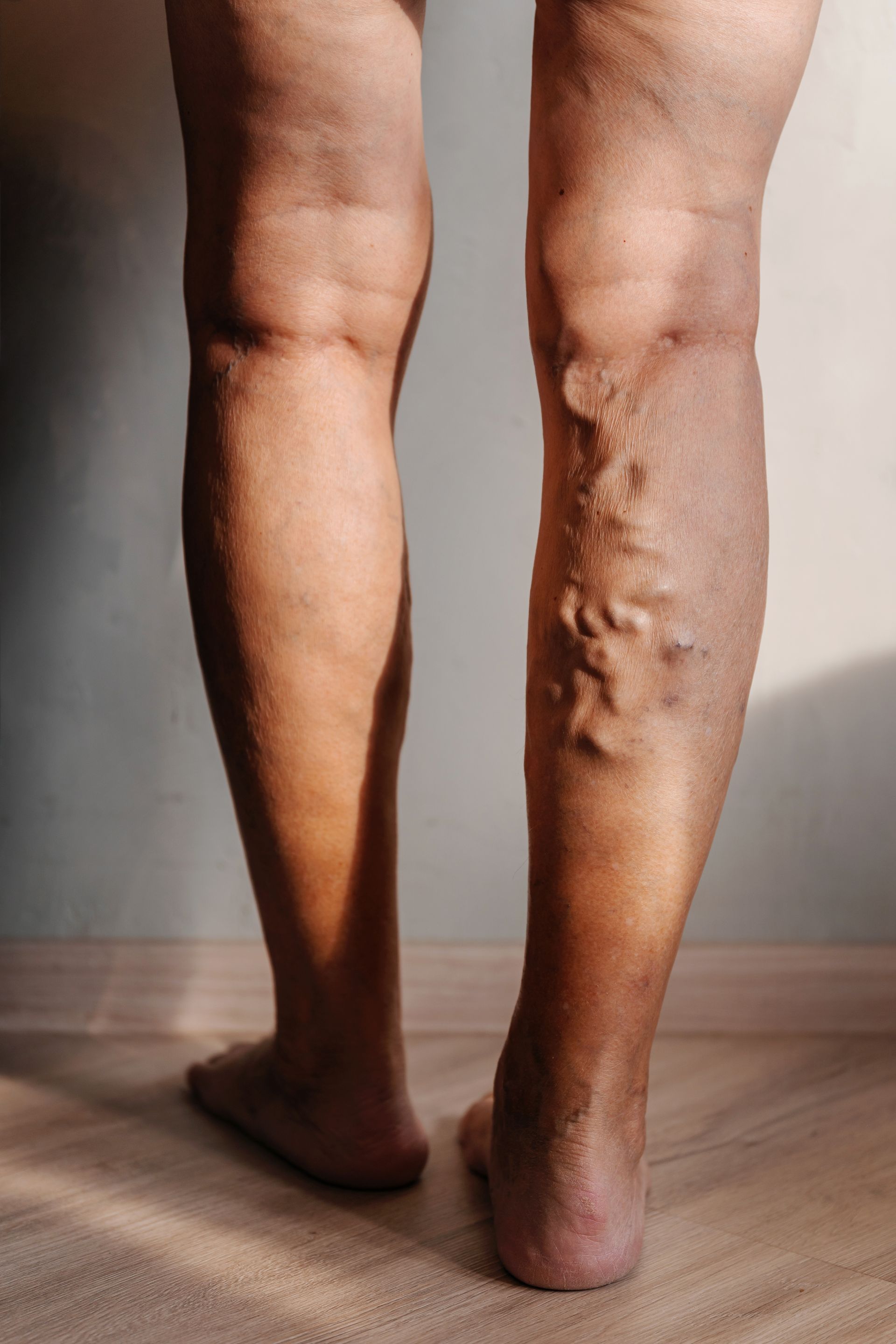
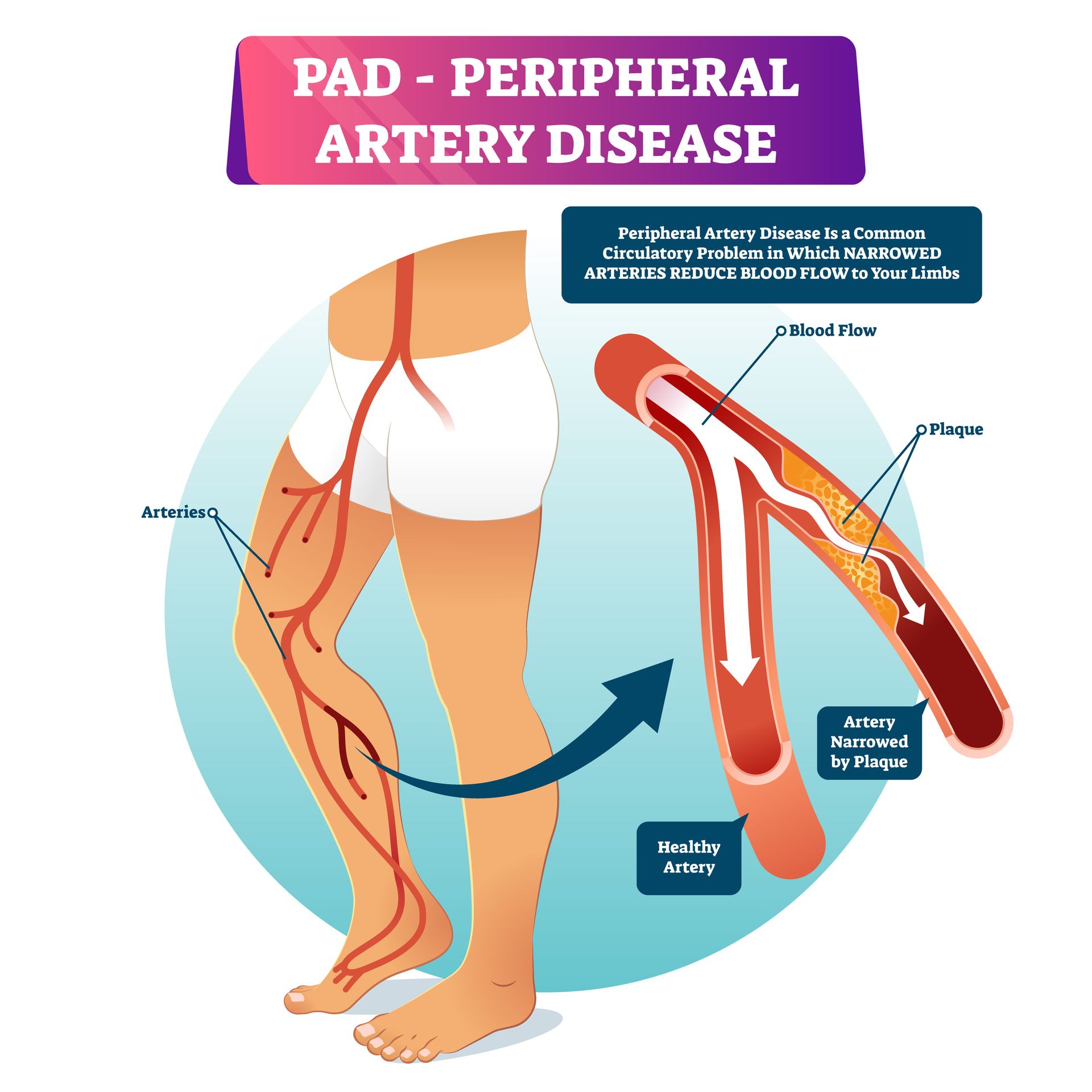
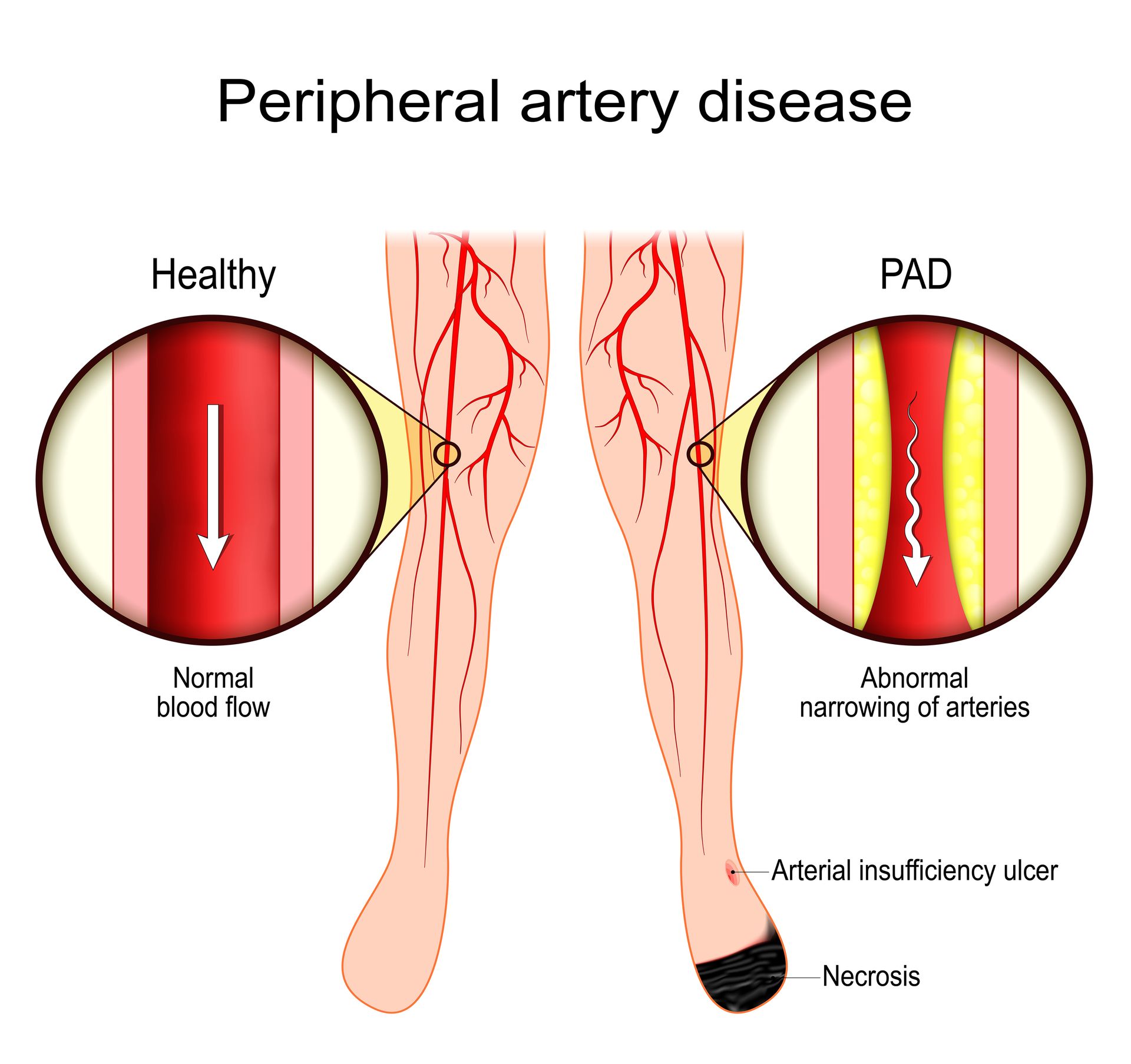
If you have varicose veins, a history of blood clots, peripheral arterial disease, or other vascular conditions, travel poses additional challenges. Cold can worsen some conditions, and prolonged sitting increases clot risk for susceptible people.
Understanding these risks doesn't mean you shouldn't travel. It just means being thoughtful about prevention.
Who's at Higher Risk During Cold Weather Travel?
Certain people should be especially careful about vascular health during fall and winter travel:
Anyone over 50. Age increases clot and circulation risk generally, and travel amplifies these risks.
People with previous blood clots. If you've had DVT (deep vein thrombosis) or pulmonary embolism before, you're at higher risk for recurrence, especially during travel.
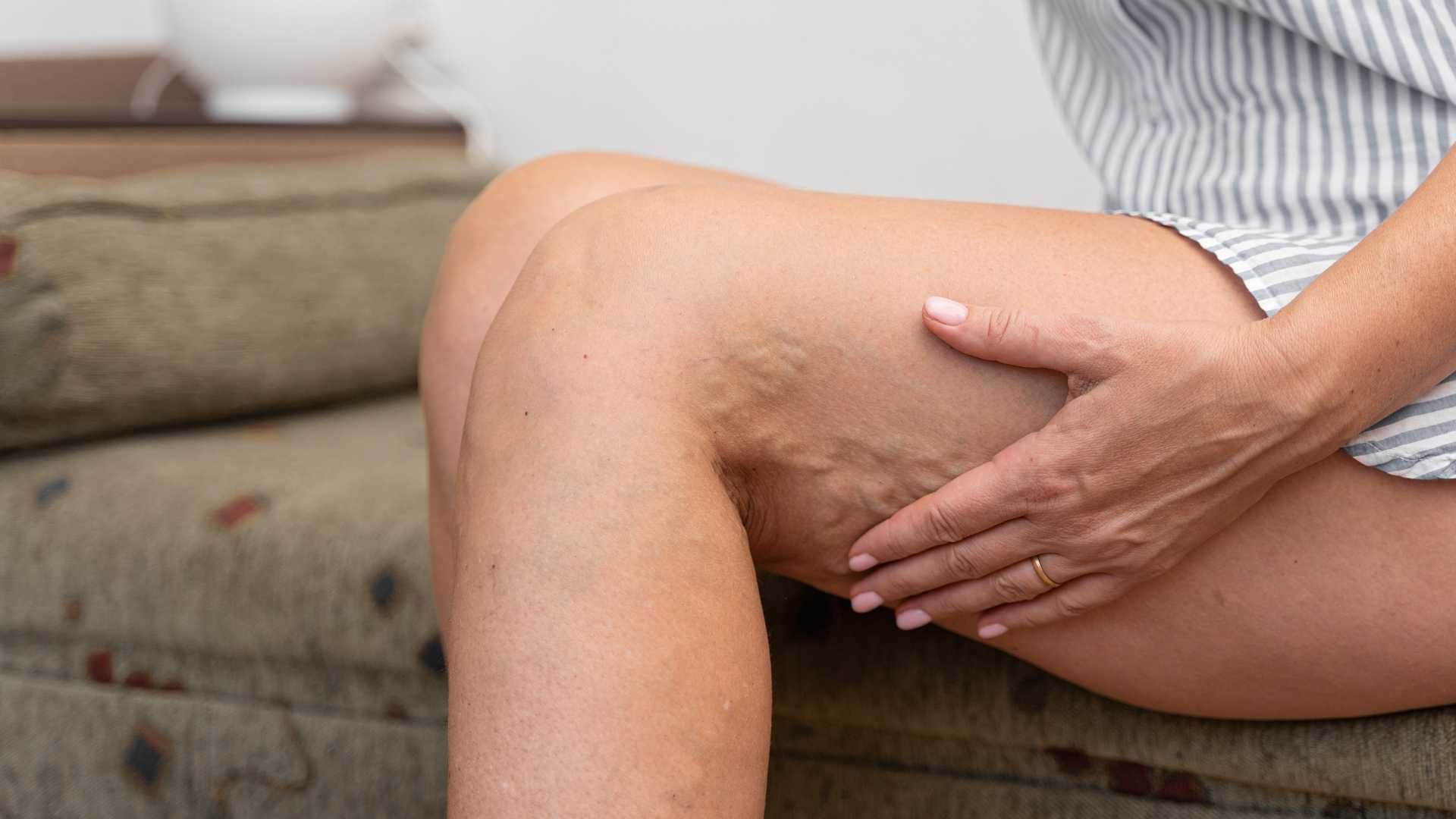
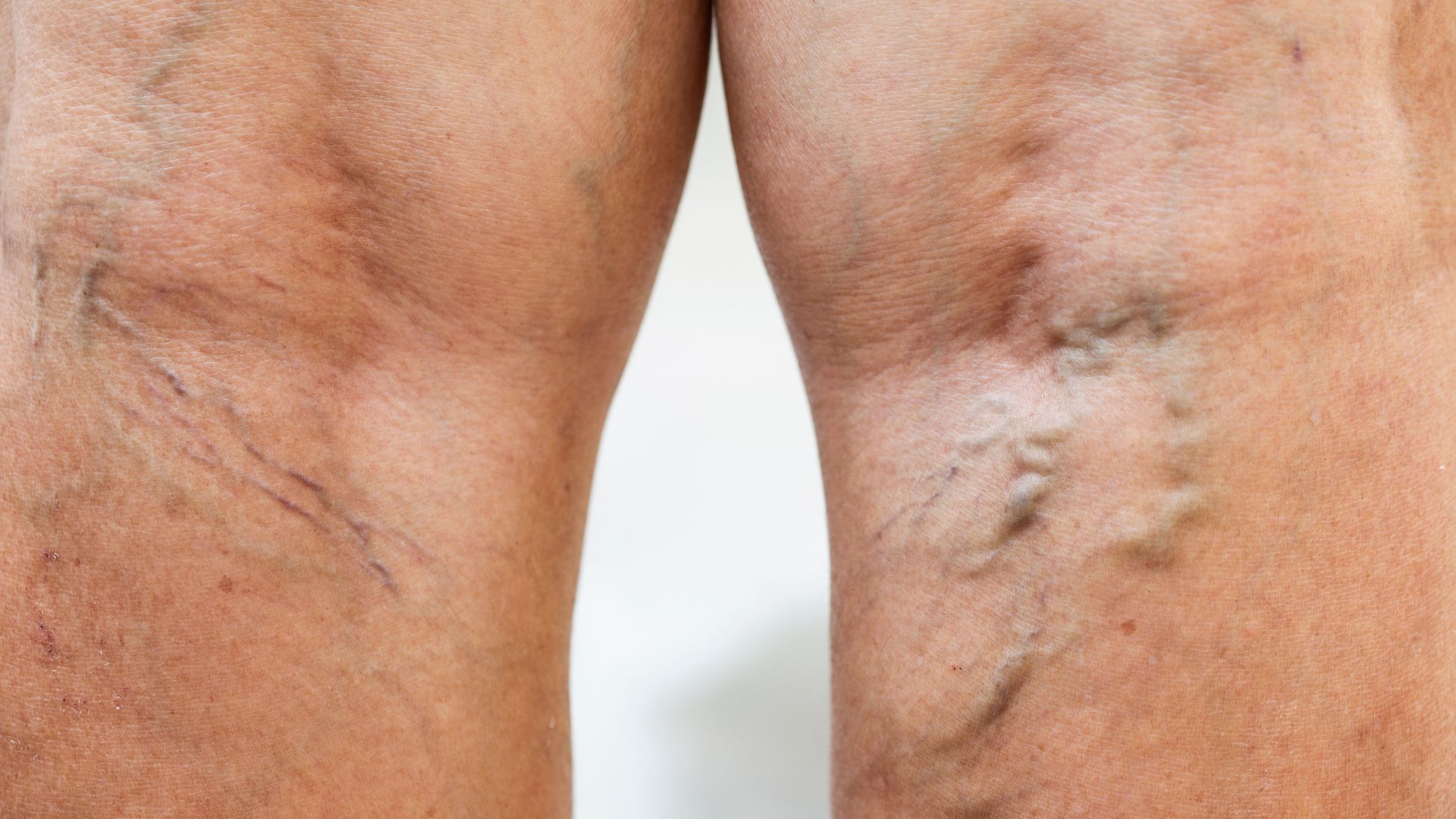
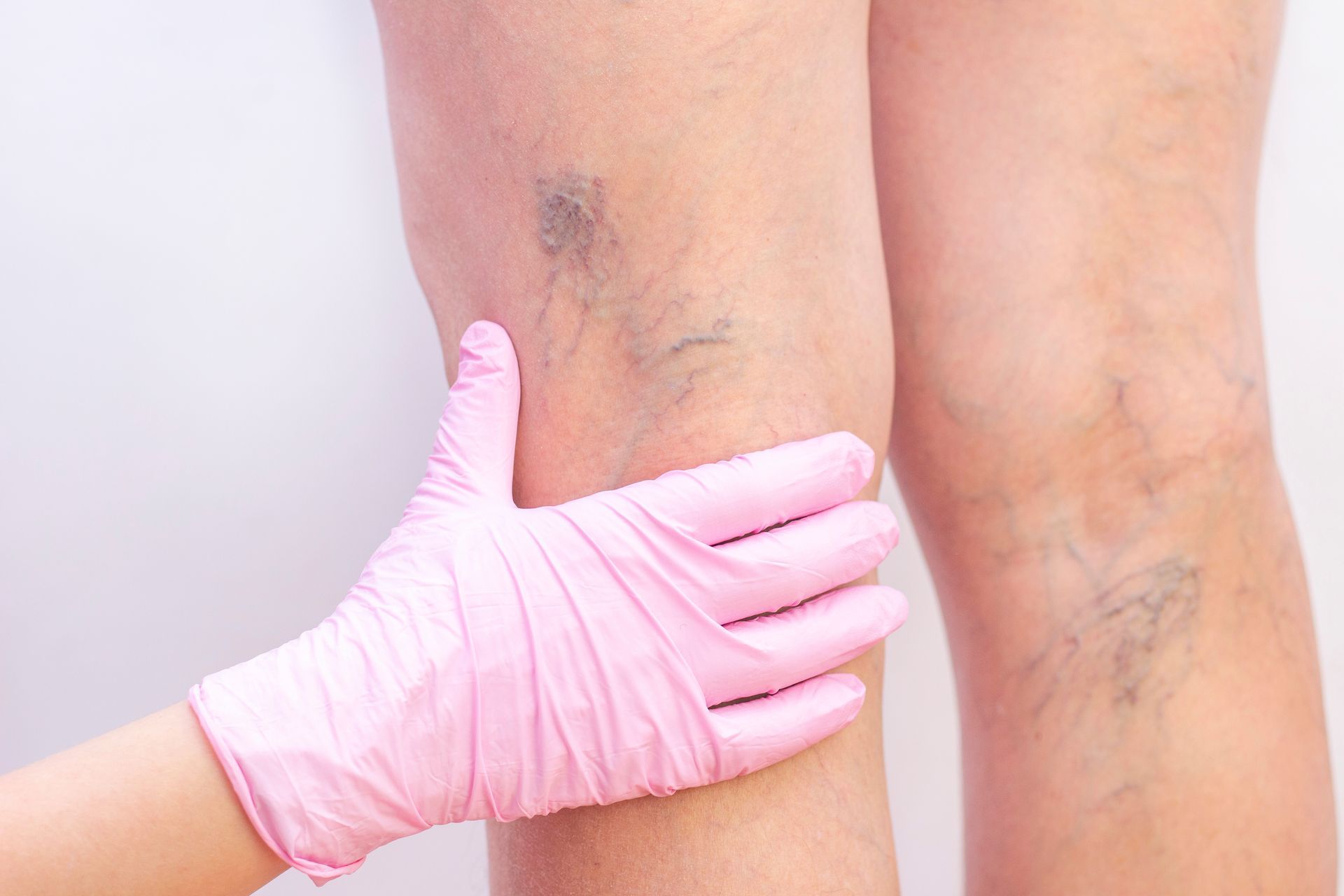
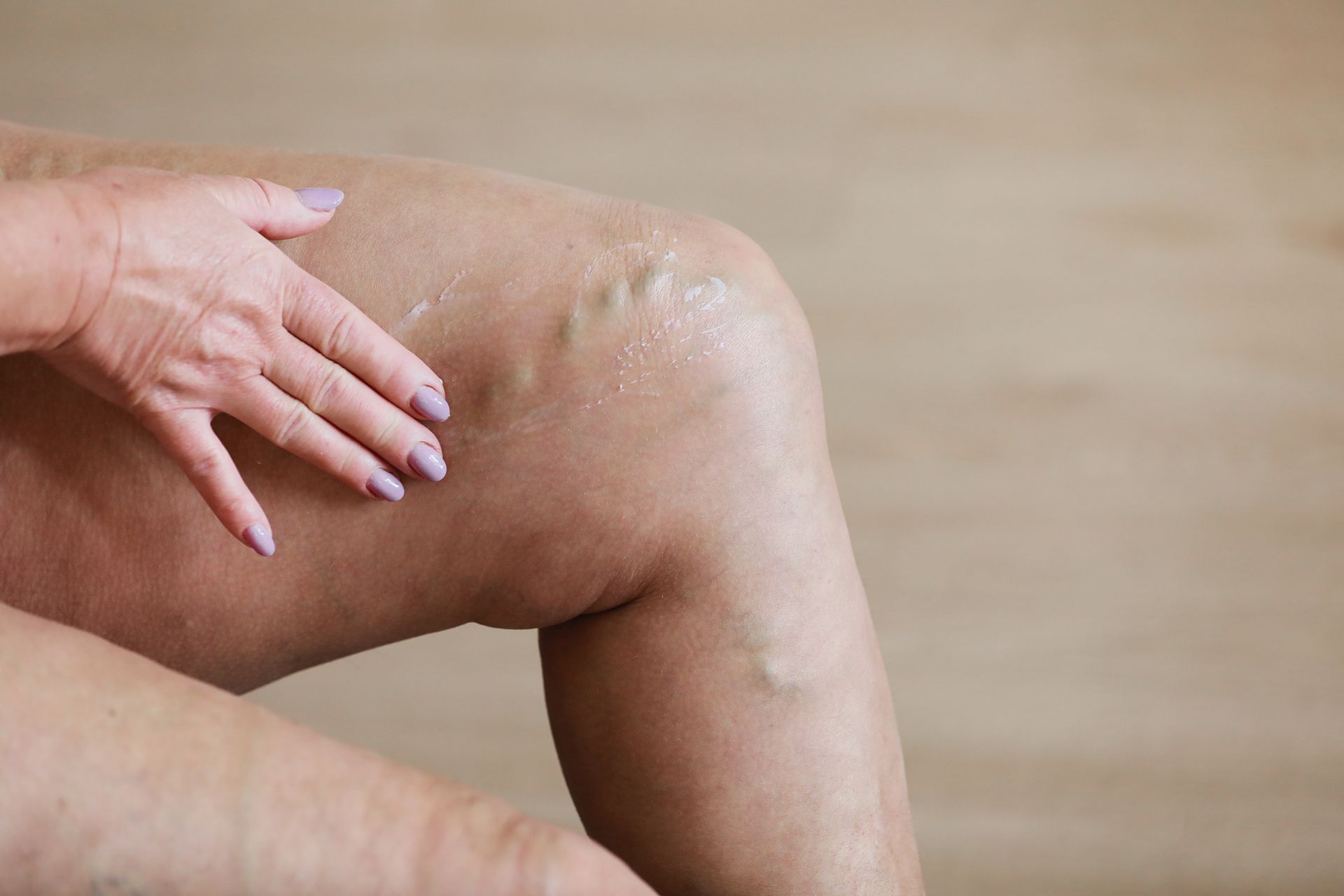
People with varicose veins or venous insufficiency. Reduced movement and cold temperatures can worsen symptoms and increase clot risk.
Pregnant travelers. Pregnancy increases clot risk significantly. Combine that with travel's immobility, and extra precautions are important.
People with cancer. Certain cancers and cancer treatments increase clotting risk. Travel adds additional risk factors.
Those with heart disease or circulation problems. Cold temperatures can affect heart function and circulation.
People with thrombophilia (genetic clotting disorder). These genetic conditions significantly increase clot risk, especially during travel.
Anyone immobilized or having recent surgery. Recent surgery, casts, or prolonged immobility increase clot risk dramatically.
People taking certain medications. Some medications (like hormone replacement therapy) increase clot risk, making travel precautions even more important.
Those who are overweight or obese. Extra weight increases clot risk, especially combined with travel immobility.
Smokers. Smoking damages blood vessel walls and increases clot risk.
If you fit any of these categories, pay extra attention to the prevention strategies below.
Pre-Travel Preparation: Start Before You Leave
The best vascular health protection during fall and winter travel starts before you pack your bags:
Schedule a Check-Up
If you have risk factors for blood clots or vascular problems, consider a pre-travel vascular evaluation. Your doctor can assess your specific risk and recommend appropriate precautions. If you have concerns, contact Ascent Vascular at (970) 926-1003 to schedule an evaluation before your trip.
Get Compression Stockings
Compression stockings are one of the most effective ways to prevent blood clots during travel. They gently squeeze your legs, helping blood flow upward against gravity and preventing pooling in your calves.
For travel, get compression stockings specifically designed for that purpose. They're available at pharmacies and medical supply stores. Knee-high compression stockings are usually sufficient for travel prevention.
How to use them: Put them on before you leave home, wear them during your entire flight or car drive, and keep them on for a few hours after arrival. Remove them before bed.
Fit matters: Compression stockings only work if they fit properly. Too loose and they're ineffective. Too tight and they're uncomfortable. Get properly fitted at a medical supply store.
Consider the timing: If traveling during fall or winter and you're in the higher-risk category, start wearing compression stockings during the week before travel to break them in comfortably.
Review Your Medications
If you take medications (especially blood thinners, birth control, or hormone replacement therapy), talk to your doctor before travel. Make sure your medication schedule will work with time zone changes. Understand any special handling your medications need during colder months (some medications are affected by cold).
Understand Your Vascular Health
If you have varicose veins, a history of blood clots, or know you have vascular risk factors, brush up on warning signs of blood clots and circulation problems. Knowing what to watch for helps you recognize problems early.
During Travel: Active Prevention
Once your trip begins, active prevention strategies become crucial:
Movement Is Medicine
The most important thing you can do during fall and winter travel is move regularly:
On flights: Get up and walk the aisle every 2-3 hours. If you have a long flight, aim for more frequent movement. Do ankle circles and calf stretches in your seat if you can't get up.
On car trips: Stop every 2-3 hours for a 10-minute walk. Don't just pump gas and drive on. Get out, move around, stretch your legs.
During hotel stays: Don't spend all day sitting in meetings or relaxing. Take walking breaks, use stairs instead of elevators, and move regularly throughout the day.
During family gatherings: Don't camp out on the couch. Volunteer to help with cooking, go for walks, explore your destination on foot. Movement is better than sitting.
The bottom line: sitting is your enemy during travel. Any movement beats no movement.
Stay Hydrated
Drink water constantly. Air cabins and heated indoor spaces during winter are extremely drying. Aim for 8-10 glasses of water per day while traveling. This might seem like a lot, but winter air and cabin conditions demand it.
Make hydration easy: Carry a refillable water bottle. Fill it at airport water fountains after security. Set phone reminders to drink water regularly.
Limit dehydrating beverages: Alcohol and caffeine are diuretics, meaning they cause you to lose more water. If you enjoy alcoholic drinks or coffee during travel, for every caffeinated or alcoholic beverage, drink an extra glass of water.
Avoid sugary drinks: Sugary drinks don't hydrate as well as water. Coffee, tea, and juices can temporarily help with hydration but aren't substitutes for water.
Elevate Your Legs
Whenever you're sitting for extended periods:
On planes: Prop your feet up on an empty seat if available, or on your carry-on bag. This helps blood flow back to your heart.
In hotels: Elevate legs above heart level for 15-20 minutes several times daily. Lie on your bed with pillows under your legs.
In cars: During rest stops, elevate your legs while sitting in a comfortable chair or lying down.
Wear Compression Stockings Consistently
Put them on before you start traveling and keep them on throughout flights, car rides, and your first full day at your destination. This provides consistent support to prevent blood pooling.
Avoid Tight Clothing
Tight pants, tight socks with elastic bands, or tight waistbands restrict blood flow in your legs. Wear loose-fitting, comfortable clothing while traveling. This is another reason compression stockings are better than tight regular socks.
Manage Cold Exposure Carefully
Winter travel means cold exposure. While you need to bundle up for warmth:
Keep moving: Cold makes you less likely to move, but movement is even more important in cold weather. Bundle up and keep active.
Don't overdo heat: While you need warmth, excessive heating (overly hot hotel rooms, too many blankets) can dehydrate you further. Find comfortable balance.
Protect extremities: Cold causes blood vessels to constrict. Wear gloves and warm socks to protect your feet and hands. Keep your core warm so your body doesn't restrict peripheral blood flow.
Manage Stress and Sleep
Holiday travel stress and sleep disruption affect your vascular system:
Prioritize sleep: Get adequate sleep even during busy travel. Your body's clotting factors increase when you're fatigued.
Manage stress: Stress raises blood pressure and affects clotting. Use relaxation techniques, take walks, meditate, or do breathing exercises to manage stress.
Stick to schedules: Even when traveling, try to maintain consistent eating, sleeping, and medication schedules. Consistency supports vascular health.
Be Cautious with Alcohol
If you enjoy alcoholic beverages during holiday travel:
Drink moderately: Limit alcohol consumption. Heavy drinking increases clot risk and dehydration.
Alternate with water: For every alcoholic drink, drink a glass of water.
Avoid binge drinking: Holiday parties might encourage more drinking than usual. Be intentional about moderation.
Specific Strategies for Common Fall and Winter Travel Scenarios
Airplane Travel
Air travel is high-risk for blood clots due to prolonged sitting and cabin dehydration. During colder months when you're more likely to travel for holidays:
Book strategically: If possible, book an aisle seat. This makes it easier to get up and move regularly without disturbing seatmates.
Get up frequently: Don't stay seated for more than 2 hours at a time. Get up and walk the aisle.
Do in-seat exercises: Even if you can't get up, flex and point your toes, do knee lifts, and do calf raises in your seat. These activate leg muscles and help pump blood.
Wear compression stockings: Put them on before boarding and wear them for several hours after landing.
Stay hydrated: Drink water constantly. The cabin air is extremely dry.
Avoid sleeping pills: While tempting, sleeping pills can increase blood clot risk by promoting immobility. Skip them if possible.
Use the bathroom frequently: Getting up to use the bathroom forces movement and helps prevent clots.
For more detailed information on preventing blood clots during air travel, see our comprehensive vascular health travel guide.
Car Travel
Long car drives in winter increase clot risk due to prolonged sitting and exposure to cold:
Stop every 2-3 hours: Plan rest stops at least every 150 miles. Get out and walk for 10 minutes.
Do leg exercises: During rest stops, do leg lifts, calf raises, and stretches.
Stay warm and hydrated: It's easy to forget to drink water in winter. Keep a water bottle accessible. Drink regularly.
Take scenic routes: If possible, take routes with interesting stops and towns. This encourages more frequent breaks.
Share driving: If multiple drivers are available, trading off keeps each driver from sitting too long.
Manage the temperature: Keep your car warm enough to be comfortable, but not excessively hot, which increases dehydration.
Ski and Winter Sports Travel
If traveling to ski or participate in winter sports:
Warm up before activity: Cold muscles are more prone to strain. Warm up thoroughly before hitting slopes or starting activities.
Stay hydrated: Cold weather skiing is deceptive. You sweat and lose water even in cold. Drink water regularly.
Pace yourself: Don't overdo it. Exhaustion affects circulation and clotting. Build gradually into activity.
Manage altitude: High altitude skiing reduces oxygen and affects circulation. Give yourself time to acclimate. Drink extra water at altitude.
Protect extremities: Wear warm gloves and socks. Cold causes blood vessel constriction in fingers and toes.
Get adequate rest: Ski trips are fun but physically demanding. Get adequate sleep nightly.
Holiday Gathering Travel
Traveling to visit family for Thanksgiving, Christmas, or other holidays:
Don't sit all day: Family gatherings often involve lots of sitting. Get up regularly. Offer to help with meal prep, go for walks, or play active games.
Manage dietary changes: Holiday meals are richer and often higher in salt. Increased salt can contribute to fluid retention and affect circulation.
Balance indulgent meals with healthy ones.
Limit alcohol: Holiday celebrations often involve more drinking. Balance with water and moderation.
Maintain sleep schedule: Holiday visits can disrupt sleep with late nights and early mornings. Try to get adequate sleep nightly.
Manage stress: Family dynamics can be stressful. Take breaks, go for walks, and manage stress actively.
Special Considerations for High-Risk Travelers
If You Have a History of Blood Clots
If you've had DVT or pulmonary embolism before:
Notify your doctor before travel. Discuss whether prophylactic measures like blood thinners are appropriate for your specific trip.
Wear compression stockings religiously. This is especially important for you.
Move frequently and intentionally. You can't be casual about movement. Make it a priority.
Stay extremely well-hydrated. Dehydration increases your clot risk significantly.
Know the warning signs: Pain, swelling, warmth, or redness in one leg; shortness of breath; chest pain. If you experience these during travel, seek immediate medical attention.
Have travel insurance. Make sure your insurance covers blood clots and vascular emergencies in case you need care while traveling.
If You Have Varicose Veins or Venous Insufficiency
Cold weather and travel can worsen symptoms:
Wear compression stockings. This helps manage symptoms and reduces clot risk.
Keep legs elevated frequently. Elevate legs above heart level regularly.
Move constantly. Sitting worsens venous symptoms. Prioritize movement.
Avoid tight clothing. Wear loose-fitting, comfortable clothes.
Keep legs warm. Cold worsens circulation. Keep legs covered and warm.
Watch for changes. If swelling worsens, skin changes develop, or new symptoms appear, seek evaluation when you return home.
If You're Pregnant
Pregnancy significantly increases blood clot risk, especially combined with travel:
Get medical clearance before travel. Consult your obstetrician before traveling, especially by plane.
Wear compression stockings. These are safe in pregnancy and help prevent clots.
Move very frequently. Get up and move at least every hour during flights.
Stay extremely well-hydrated. Pregnancy plus travel plus winter dehydration is a triple threat.
Avoid sitting for extended periods. Even car rides should include frequent breaks.
Know warning signs: Severe leg pain or swelling, shortness of breath, chest pain. Seek immediate medical attention if these occur.
After Your Trip: Recovery and Monitoring
When you return home from fall or winter travel:
Watch for Symptoms
For the first week after returning, watch for signs of blood clots:
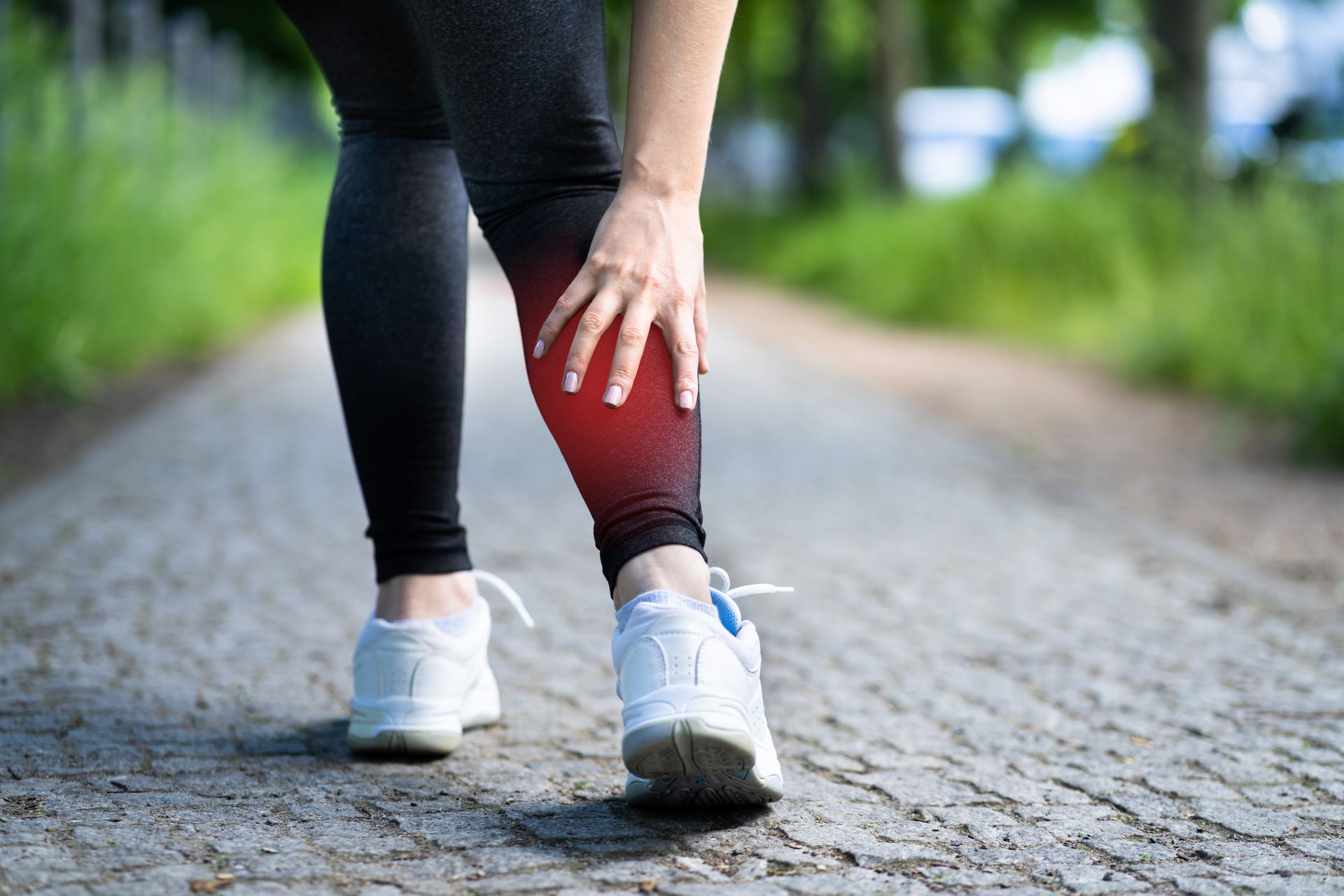
In your legs: Pain, swelling, warmth, redness, or tenderness in one leg, usually the calf.
In your lungs: Shortness of breath, chest pain when breathing, or coughing up blood.
If you experience any of these symptoms, seek medical attention immediately.
Resume Normal Activity Gradually
If you had a long, sedentary trip, gradually return to normal activity. Don't jump from sitting for 12 hours straight into intense exercise. Build back slowly.
Rehydrate Fully
Dehydration from winter travel can linger. Drink extra water for a few days after returning home to fully rehydrate.
Resume Movement
Get back to your normal exercise routine. Regular movement supports vascular health and helps prevent clots.
Address Any New Symptoms
If you develop leg swelling, pain, or other concerning symptoms after returning home, don't wait. Contact your doctor or Ascent Vascular for evaluation.
FAQs About Fall and Winter Travel and Vascular Health
Is fall and winter travel more dangerous than other seasons?
Travel is inherently associated with some vascular risk due to prolonged sitting. Winter travel adds additional factors like dehydration from dry air, cold exposure, and often longer travel distances for holidays. But with proper precautions, most people travel safely. Those with vascular risk factors should just be more intentional about prevention.
At what age should I start being concerned about blood clots during travel?
Blood clot risk increases with age, especially after 50. However, younger people with risk factors (prior clots, genetic clotting disorders, pregnancy, cancer, immobility) should also be concerned. If you have any risk factors, take precautions regardless of age.
Is it safe to fly during pregnancy?
Most pregnancies allow air travel, but the second trimester (weeks 14-20) is typically considered safest. Always get your obstetrician's clearance. If you do fly while pregnant, compression stockings and frequent movement are especially important.
How much water should I drink while traveling?
Aim for at least 8-10 glasses daily, or more if you're flying. Cabin air is extremely dry and winter air is dehydrating. Drink consistently throughout the day rather than trying to catch up all at once.
Can I wear compression stockings for an entire day of travel?
Yes. Compression stockings designed for travel can be worn all day without problems. Remove them before bed. If wearing them causes discomfort, make sure they fit properly. Sometimes adjusting compression level helps.
What's the best compression stocking strength for travel prevention?
For travel prevention, mild to moderate compression (15-30 mmHg) is usually sufficient for most people. Higher compression (30-40 mmHg) is recommended for people with previous blood clots or significant risk factors. Your doctor or pharmacist can recommend appropriate compression for you.
Is it okay to exercise during winter travel?
Yes, absolutely. Appropriate exercise is protective. Moderate activity like walking is excellent. Just make sure you warm up properly and don't overdo it, causing exhaustion that affects sleep and stress levels.
What if I'm taking blood thinners? Does travel change anything?
If you're on blood thinners, discuss travel plans with your doctor. You'll likely continue your regular dose. Make sure you have adequate supply for the entire trip plus extra. Keep your medications in carry-on luggage when flying. Mark them clearly as prescribed medication.
Can I develop a blood clot weeks after traveling?
Blood clots usually develop within the first two weeks after travel, but occasionally can develop later. That's why watching for symptoms in the first week and knowing warning signs is important. If symptoms develop weeks later, they're probably something else, but seek evaluation if concerned.
What should I do if I develop leg swelling during my trip?
Elevate your legs, wear compression stockings if you have them, stay hydrated, and move around. If swelling is severe or accompanied by pain, warmth, or redness, seek medical evaluation immediately. If mild swelling resolves with elevation and movement, monitor it but you can usually continue travel. Seek evaluation after you return home if swelling persists.
FAQs About Ascent Vascular Specialist and Vein Center
Should I see a vascular specialist before fall or winter travel?
If you have risk factors for blood clots (previous clots, vascular disease, family history, or conditions like cancer or thrombophilia), a pre-travel evaluation is wise. Contact us at (970) 926-1003 to schedule a pre-travel assessment.
Can you evaluate my vascular health before my holiday travel?
Yes. We can do a quick pre-travel evaluation, assess your specific risk, and recommend appropriate precautions. Call us to schedule. We can often accommodate pre-travel evaluations with short notice.
What should I do if I think I have a blood clot while traveling?
Seek emergency care immediately. Go to an emergency room or call emergency services. Blood clots are serious and need immediate evaluation. Don't wait or try to fly home if you suspect a clot.
Do you recommend compression stockings for all travelers?
For flights longer than 4 hours or car trips longer than 5-6 hours, compression stockings are a good idea for most people. For people with vascular risk factors, we recommend them even for shorter travel. We can recommend appropriate compression strength for your situation.
Can you provide compression stocking recommendations or fittings?
We can recommend compression strength and advise on where to get properly fitted compression stockings. Many pharmacies and medical supply stores provide fitting services. Proper fit is crucial for effectiveness.
What if I develop symptoms of a blood clot after returning home from travel?
Seek medical evaluation immediately. Go to an emergency room or contact your primary care doctor right away. Don't delay. Blood clot symptoms need urgent assessment.
How can I remember all these vascular health travel tips?
Check out our comprehensive vascular health travel tips guide for detailed information on preventing blood clots during any travel. You can bookmark it and reference it before every trip.
Travel Safely This Fall and Winter
Fall foliage trips, winter sports adventures, and holiday family gatherings are wonderful parts of the season. You shouldn't have to skip them out of fear of vascular problems. With thoughtful planning and active prevention, you can travel safely and enjoy your adventures.
The key is understanding your risk level, taking appropriate precautions, staying active and hydrated during travel, and knowing warning signs of problems. Most people travel without complications. By following these strategies, you can be among them.
For more comprehensive information on preventing blood clots during any type of travel, check out our complete vascular health travel guide. It covers detailed prevention strategies for flights, car trips, train travel, and cruises.
If you have concerns about your vascular health before travel, or if you experience symptoms after traveling, contact Ascent Vascular at (970) 926-1003. Our team can evaluate your situation and provide personalized recommendations.
Have a safe, healthy, and enjoyable fall and winter travel season!
Visit us at: Ascent Vascular Specialist and Vein Center 1140 Edwards Village Blvd. B204 Edwards, CO 81632
You can also explore vascular conditions and risk factors, learn about our diagnostic services, or read more vascular health information on our blog.
Disclaimer: The information provided on this blog is for general informational purposes only and is not intended as, and should not be considered, medical advice. All information, content, and material available on this blog are for general informational purposes only. Readers are advised to consult with a qualified healthcare professional for medical advice, diagnosis, or treatment. The author and the blog disclaim any liability for the decisions you make based on the information provided. Always seek the advice of your physician or other qualified health provider with any questions you may have regarding a medical condition.