DVT Warning Signs: When Leg Pain or Swelling Could Be a Blood Clot
Medically reviewed by Scott Ziporin, MD, RPVI
Key Points
- A DVT is a blood clot in a deep vein, most often in the leg, and it needs prompt medical care.
- The most common signs are swelling in one leg, pain or tenderness that often starts in the calf, warmth, and red or discolored skin.
- A DVT usually affects one leg, while a muscle strain or cramp is more likely to feel different and to ease with stretching or rest.
- Sudden shortness of breath, chest pain, or coughing up blood can signal a clot that has reached the lungs, and you should call 911 right away.
- Ascent Vascular Specialist and Vein Center in Edwards, Colorado evaluates leg pain and swelling with physical exams and vascular ultrasound.
Leg pain and swelling are easy to brush off. Maybe you pulled a muscle at the gym, sat too long on a flight, or had a long day on your feet. Most of the time, that is exactly what it is.
Sometimes, though, swelling and pain in one leg are signs of a deep vein thrombosis, or DVT. A DVT is a blood clot that forms in a deep vein. It is serious because the clot can break loose and travel to the lungs. Knowing the warning signs helps you act quickly.
This guide explains what a DVT can feel like, how it differs from a muscle cramp, who is at higher risk, and when to get help right away. If you are not sure what is causing your symptoms, do not guess. Call Ascent Vascular at (970) 926-1003 to talk with our team.
What Is a DVT?
Deep vein thrombosis happens when a blood clot forms in one of the deep veins, usually in the calf, thigh, or pelvis. Deep veins sit inside your muscles, unlike the surface veins you can see under your skin. Because they carry a large share of blood back to your heart, a clot in a deep vein can block that flow and cause swelling and pain.
The clot itself is the main concern. If a piece breaks off, it can travel through the bloodstream to the lungs. This is called a pulmonary embolism, and it is a medical emergency. The Centers for Disease Control and Prevention (CDC) offers more background on blood clots.
The Main DVT Warning Signs
Most people with a DVT notice symptoms in one leg. Watch for these changes:
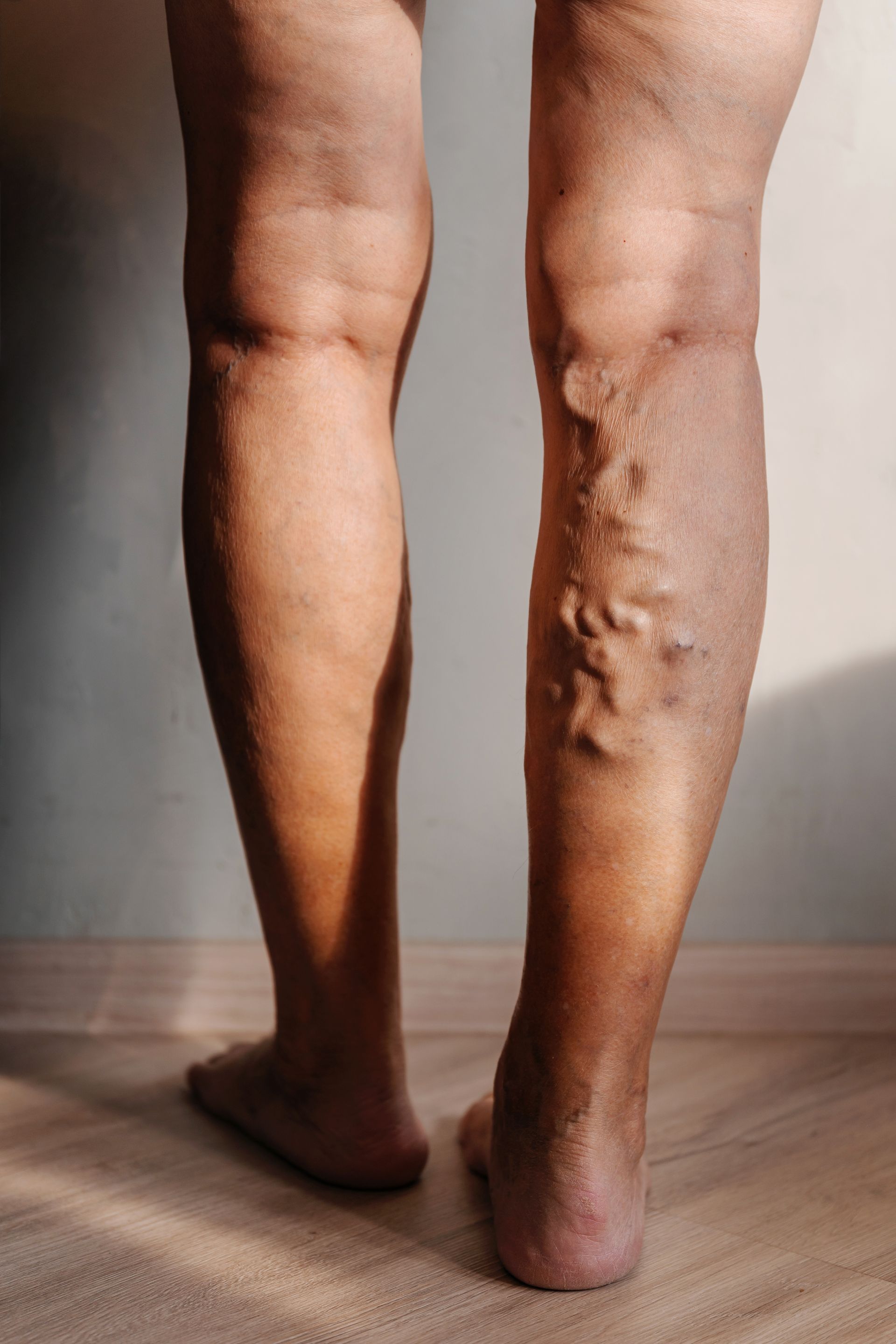
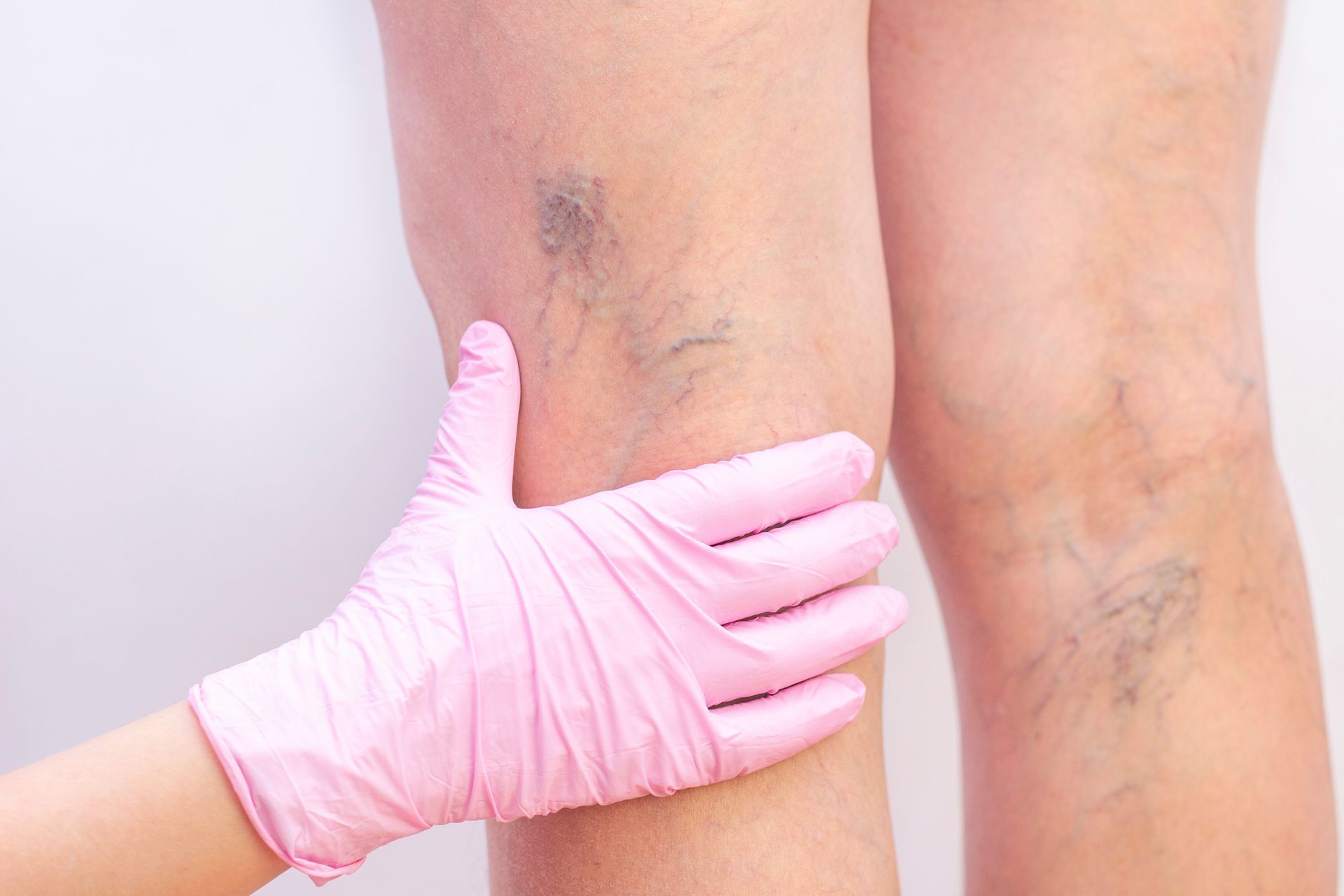
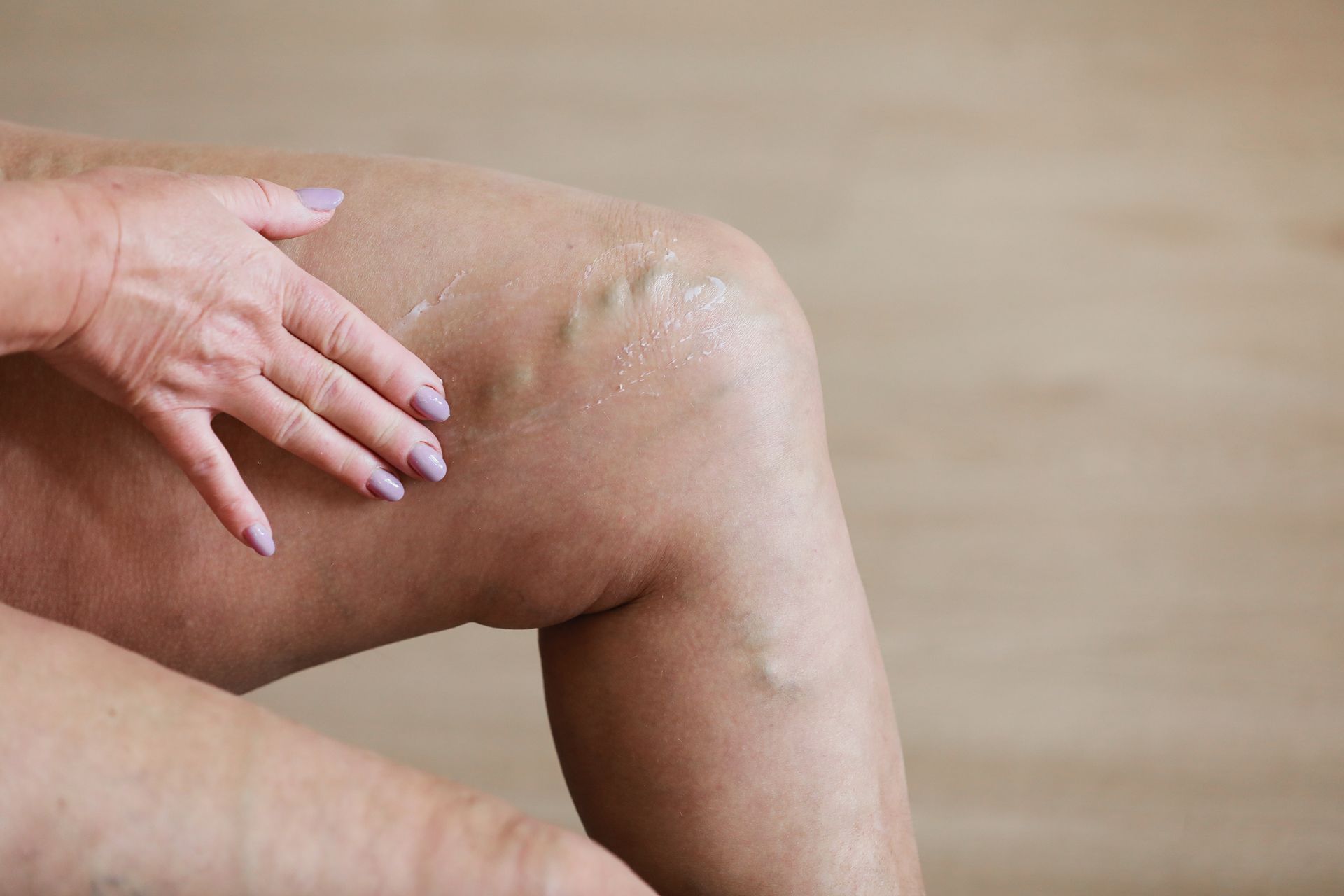
- Swelling in one leg, often in the calf, ankle, or foot
- Pain or tenderness that often starts in the calf and may feel like a cramp or a charley horse
- Warmth in the affected area when you compare it with the other leg
- Red or discolored skin, sometimes with a bluish tint
- A feeling that the leg is heavy or tight
Some people have no symptoms at all, which is one reason risk factors matter. Others notice a mild ache that they assume is from sitting too long.
How DVT Differs from a Muscle Cramp or Strain
Leg pain from a muscle strain or cramp is very common. A DVT tends to be different in a few ways:
- It usually affects one leg, not both.
- It often comes with swelling, warmth, or skin color changes.
- A muscle cramp often eases when you stretch or move. DVT pain typically does not go away with rest or stretching.
- Pain may feel worse when you stand, walk, or flex your foot upward.
If you cannot tell the difference, treat it as a possible DVT and get checked. A quick ultrasound can answer the question.
When Leg Symptoms Become an Emergency
Call 911 or go to the nearest emergency room right away if you have any of these signs. They may mean a clot has reached your lungs:
- Sudden shortness of breath
- Chest pain that gets worse when you breathe deeply or cough
- Coughing up blood
- A racing or pounding heartbeat
- Lightheadedness or fainting
Do not wait for an appointment, and do not drive yourself if you feel faint.
Who Is at Higher Risk for a DVT?
Anyone can develop a DVT, but certain factors raise the risk:
- Recent surgery, a hospital stay, a broken leg, or wearing a cast
- Long periods of sitting or bed rest, including long flights and car rides
- Pregnancy and the weeks after delivery
- Cancer or cancer treatment
- A personal or family history of blood clots
- Hormone medicines, such as some birth control pills or hormone replacement therapy
- Smoking, excess weight, and age, since risk rises as you get older
If you have one or more of these risk factors and a new leg symptom, call your doctor or our office soon, even if the symptom seems mild.
How a DVT Is Diagnosed
If your provider suspects a DVT, they will usually start with a physical exam and ask about your symptoms and recent activity. A blood test called a D-dimer may be ordered. A normal result can help rule out a clot, but it does not settle the question on its own.
The main imaging test is a vascular ultrasound. It uses sound waves to look at blood flow in your veins and shows whether a clot is present. The test is painless and does not use radiation. The National Heart, Lung, and Blood Institute (NHLBI) also explains how deep vein thrombosis is evaluated and treated.
Treatment and Prevention
Treatment depends on the size and location of the clot, your overall health, and your risk of complications. Common approaches include blood thinners to keep the clot from growing and to prevent new clots, and compression stockings to help manage swelling and discomfort. Some patients need additional procedures. Your provider will explain what is recommended for you.
You can lower your risk by moving often, staying hydrated, quitting smoking, and managing your weight. Before long trips or surgery, talk with your provider about whether extra precautions make sense for you.
What to Do If You Think You Have a DVT
First, check for emergency signs. If you have shortness of breath, chest pain, or any other red flag, call 911 now.
If your symptoms are in one leg and you have no emergency signs, call your doctor or our office the same day. Explain what you are feeling and when it started.
Until you are seen, keep the leg elevated and avoid rubbing or massaging the area, since pressure on the leg can move a clot. Stay as active as your provider allows.
Get Your Leg Symptoms Checked in Edwards
Ascent Vascular Specialist and Vein Center is located at 1140 Edwards Village Blvd. B204, Edwards, CO 81632-5562. Call (970) 926-1003 to schedule an evaluation. Insurance coverage varies by plan, so call our office to verify your benefits before your visit. If you have chest pain or trouble breathing, call 911 instead of calling the office.
Frequently Asked Questions About DVT Warning Signs
Can a DVT cause leg pain without swelling?
Yes. Some people have pain or tenderness with little visible swelling. Pain in one leg is still a reason to get checked, especially if it comes with warmth or skin color changes.
How long after a long trip can a DVT develop?
Clots can form during travel, and symptoms may appear days or even weeks afterward. If you notice new leg changes after a long flight or drive, do not wait for them to fade on their own.
Can a DVT go away on its own?
Some small clots break down over time, but a DVT should not be left untreated. A clot can grow or travel to the lungs, so every suspected DVT needs medical evaluation.
Is a DVT the same as a blood clot in the lung?
No, but the two are closely related. A DVT is a clot in a deep vein. A pulmonary embolism happens when a clot travels to the lungs. Doctors often describe both together as venous thromboembolism.
Can I exercise if I think I have a DVT?
Do not start intense exercise until you have been evaluated. Your provider can tell you whether gentle walking is appropriate while you wait for results.
Do blood clots run in families?
A family history of blood clots can raise your risk, especially if relatives had clots at a young age. Some inherited clotting conditions are involved in these cases, so tell your provider about your family history.
Who should I call first if I have leg symptoms?
If you have emergency signs such as trouble breathing or chest pain, call 911. For leg symptoms without emergency signs, call your doctor or Ascent Vascular Specialist and Vein Center at (970) 926-1003 the same day.
Frequently Asked Questions About Ascent Vascular Specialist and Vein Center
Where is Ascent Vascular located?
We are located at 1140 Edwards Village Blvd. B204, Edwards, CO 81632-5562.
How can I reach your office?
Call (970) 926-1003 to schedule an appointment or ask a question about your symptoms.
Do you evaluate leg pain and swelling?
Yes. We evaluate leg pain, swelling, and vein symptoms with a physical exam and vascular ultrasound when needed. If you think you may have a blood clot, call 911 or go to the emergency room first, then contact us once you are safe.
Do you accept insurance?
Coverage depends on your plan. Call (970) 926-1003 with your insurance details, and our team will help verify your benefits before your visit.
Do I need a referral to be seen?
Referral requirements depend on your insurance plan. Call our office to find out what your plan requires.
What should I expect at my first visit?
Your visit will include a review of your symptoms and medical history, a physical exam of your legs, and any testing that is needed, such as an ultrasound. We will explain our findings and your options.
Disclaimer: The information provided on this blog is for general informational purposes only and is not intended as, and should not be considered, medical advice. All information, content, and material available on this blog are for general informational purposes only. Readers are advised to consult with a qualified healthcare professional for medical advice, diagnosis, or treatment. The author and the blog disclaim any liability for the decisions you make based on the information provided. Always seek the advice of your physician or other qualified health provider with any questions you may have regarding a medical condition.